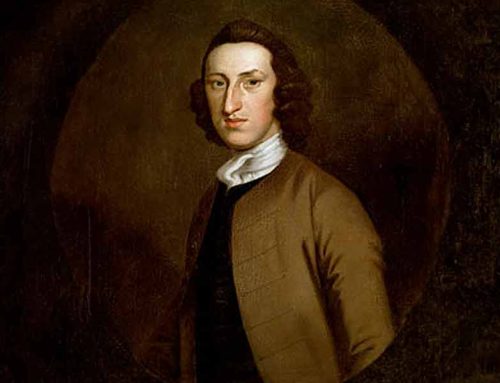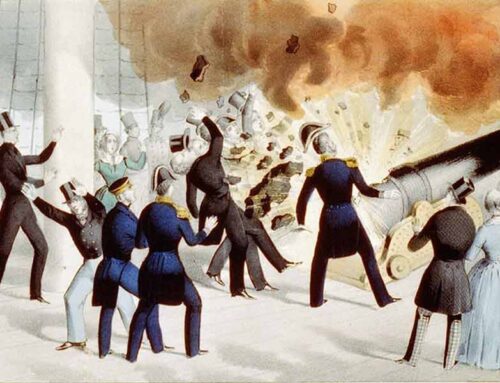


“Remember the word that I said to you, ‘A slave is not greater than his master.’ If they persecuted Me, they will persecute you as well; if they followed My word, they will follow yours also.” —John 15:20
The Martyrdom of St. Polyeuctus, January 10, AD 259
 hroughout the history of the Roman Empire, devout Christians can be found among the ranks of its elite military. They served despite tensions of conscience arising from the army’s integral polytheistic practices, a tradition of pagan sacrifices, and association with unjust violence, all being in conflict with Christian morality.
We recall the Biblical accounts which highlight those positive portrayals of Roman centurions, such as the one in Capernaum whose profound faith prompted Jesus to heal his paralyzed servant, whereupon our Savior marveled that “I have not found anyone in Israel with such great faith”. There was also the centurion at the crucifixion who, witnessing Jesus’ death, confessed, “Truly this Man was the Son of God”. Then again, we have Cornelius, in the book of Acts, who became the first Gentile convert baptized by the Apostle Peter. Each account of these Roman soldiers and their testimony exemplifies the redeeming love of God, and is placed in stark contrast to the rejection that Jewish religious leaders displayed towards the promised Messiah.
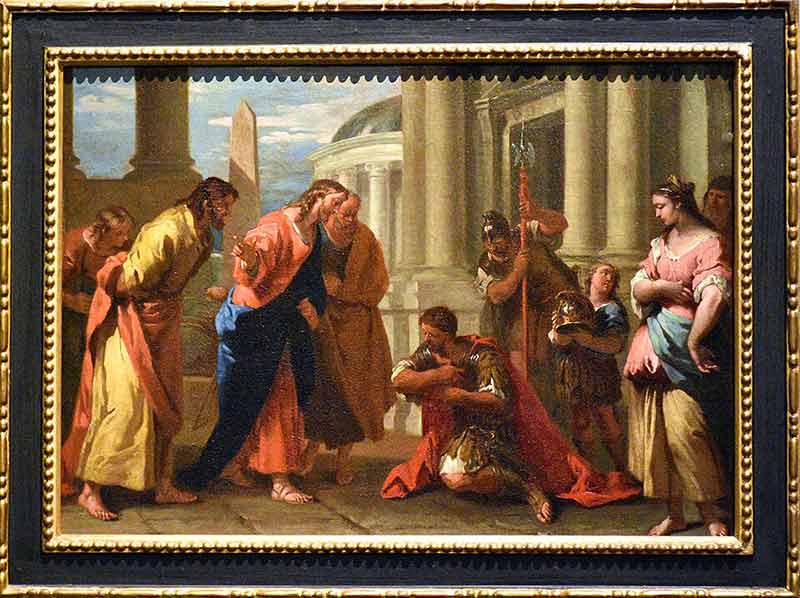
Christ and the Centurion, by Sebastiano Ricci
Later instances in history underscore the growing presence and impact of Christian soldiers in the Empire’s legions, all of whom navigated persecution while contributing to the grand dissemination of the faith. By the late second century, evidence like funerary inscriptions confirm that they faced expulsion or martyrdom during “purges” by various emperors. Famously, Saint George (patron saint of England), a high-ranking tribune in the Praetorian Guard under Diocletian, exemplified this: born around AD 280 in Cappadocia, he was brutally tortured and beheaded in AD 303 for defying orders to sacrifice to Roman gods. All of these brave witnesses for Christ eventually paved the way for Emperor Constantine’s conversion in AD 312 and Christianity’s eventual dominance over the Roman Empire, transforming Europe’s religious landscape forever.
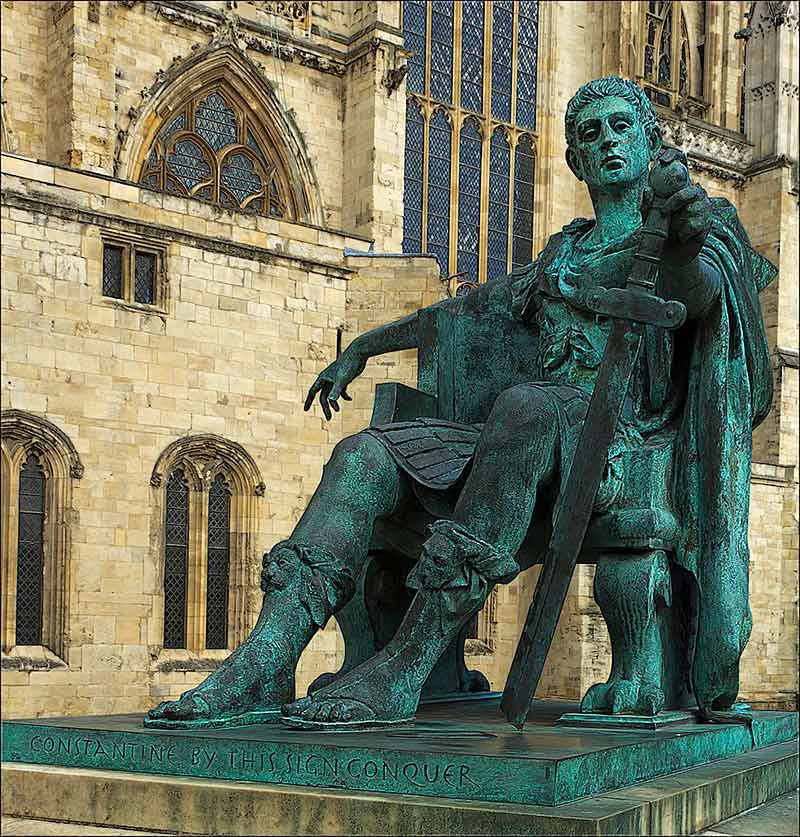
Emperor Constantine (AD 272-337)
One such soldier, born in the shadowed annals of the third-century Roman Empire, was named Polyeuctus. Possessed of considerable wealth and stature, he belonged to a Greek family during a time when the Roman Empire stretched far to the east, occupying vast swaths of land in what later became known as Byzantium—now including modern day Turkey and the Balkans.
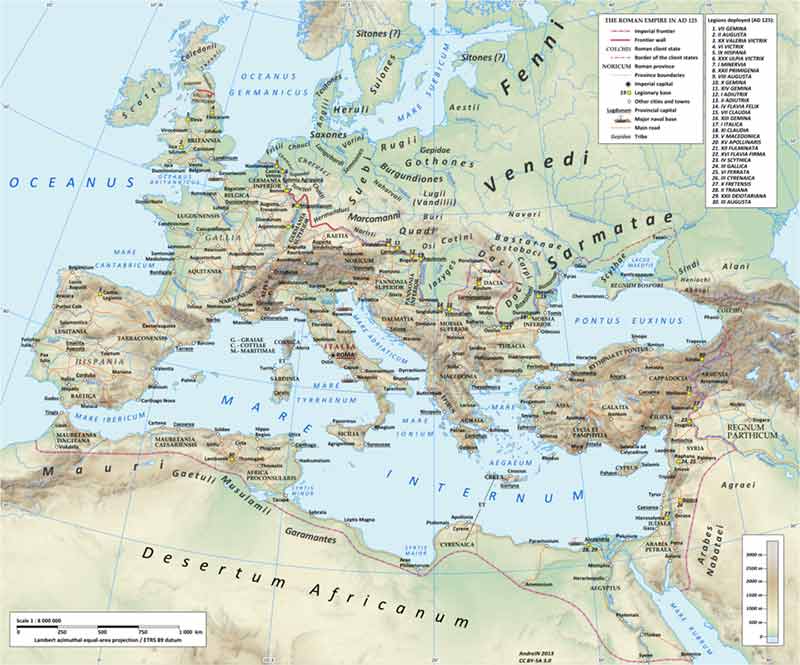
A map of Europe, the Mediterranean region and beyond, showing the extent of the Roman Empire as of AD 125
Polyeuctus rose to the rank of a distinguished officer and was stationed in the rugged outpost of Melitene, in what is now modern day Armenia, a vital frontier fortress. He was said to command respect among his troops, living a life marked by moral integrity despite adhering to pagan practices. He married young and was blessed with children, enjoying the privileges and education that came with high society. And yet, the hand of God was already upon him when his closest bond became that which he shared with his steadfast comrade Nearchus, a fellow officer and fervent Christian whose adoration of his God pierced the veil of Polyeuctus’ worldly complacency.
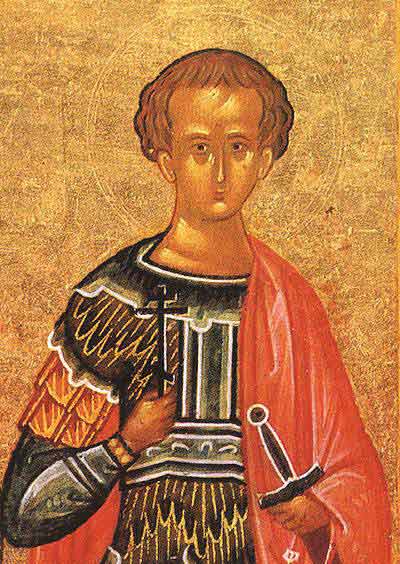
Polyeuctus (unknown-AD 259)
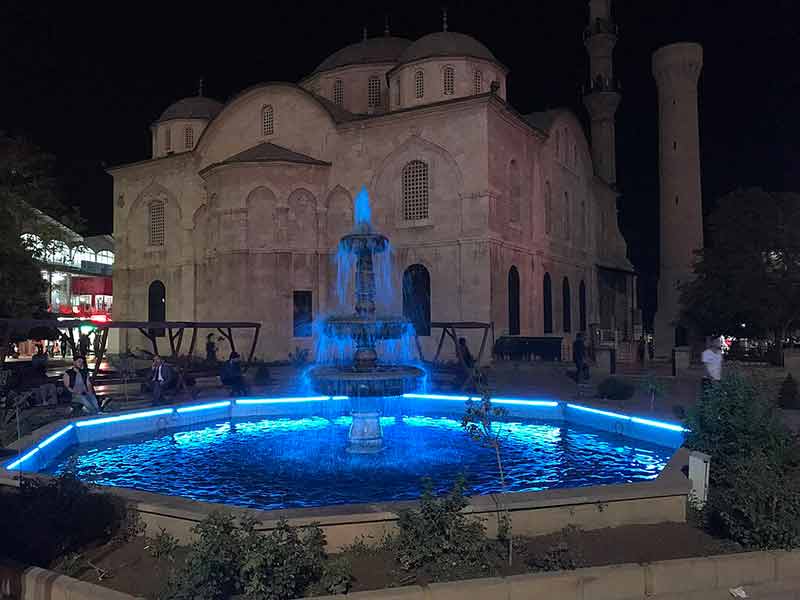
Modern-day Malatya, Turkey, near the ancient city of Melitene
Nearchus, already baptized and bold in his faith despite the fierce persecutions surrounding him, grieved deeply over Polyeuctus’ unbelief, fearing that death would eternally separate them. This era was fraught with peril for believers, as an edict came down from Emperor Valerian* around AD 257–260, unleashing a ferocious wave of oppression. This edict carried with it the added atrocity of demanding ritual sacrifices to the pagan gods to shore up the crumbling empire’s loyalty and its supposed need for “divine favor” amid cascading crises: barbarian invasions, plague, economic ruin, and humiliating defeats by the Persians.
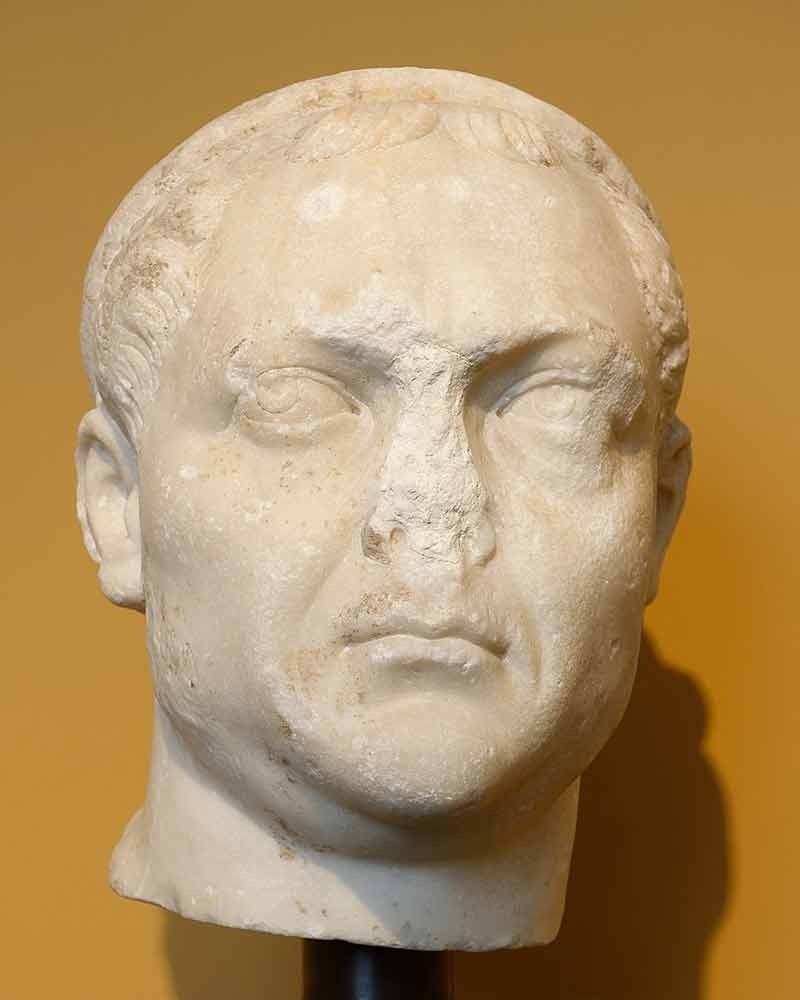
Emperor Valerian (c. AD 199-260 or 264)
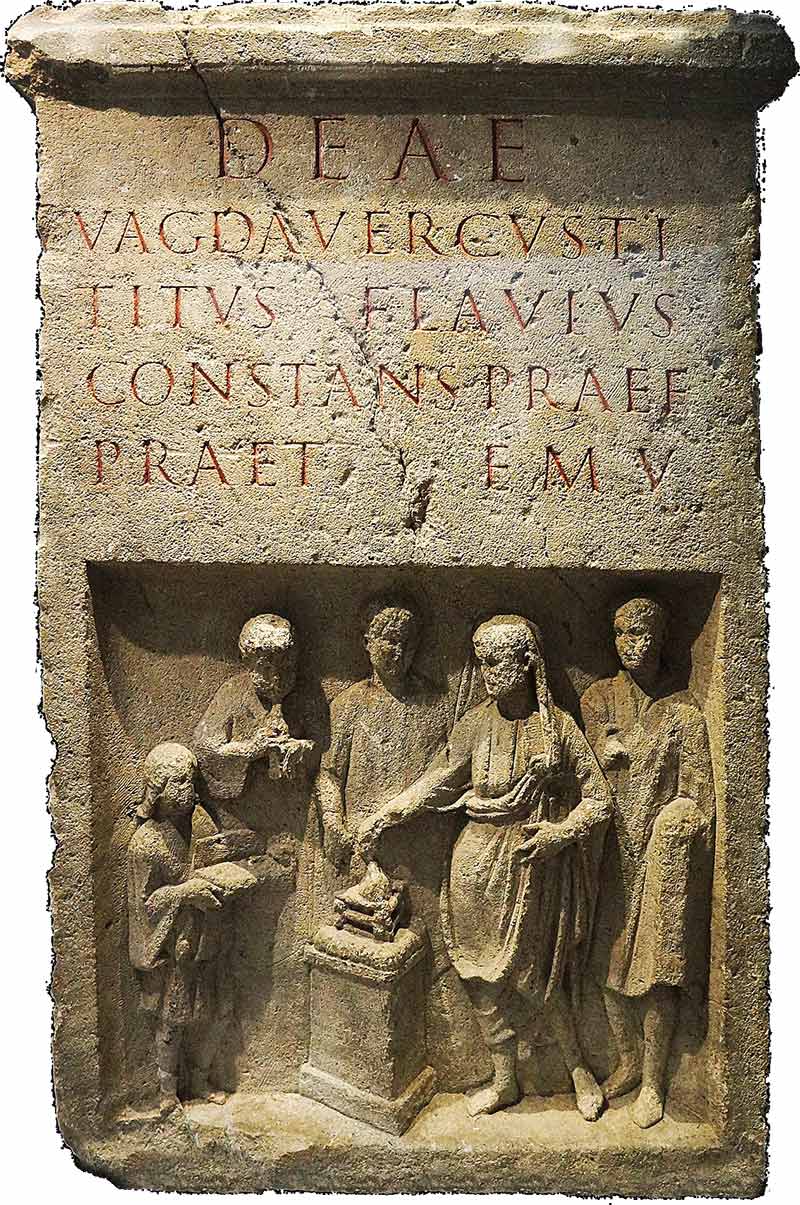
Roman artifact showing a family burning incense on an altar to one of their pantheon of gods or goddesses
Amidst such hostility and turmoil, the heart of Polyeuctus was nevertheless stirred by his beloved Nearchus’ anguished prayers for him. He became fascinated by the Gospel his friend espoused, its principles of mercy and charity which were in opposition to all that he had known before. Then came a Divine intrusion: a profound dream in which Polyeuctus later said Christ Himself appeared to him and ignited an unquenchable fire of conviction within his soul. In that instant, from the moment he awoke, the Spirit’s regenerating power transformed this pagan soldier into a bold confessor of Christ.
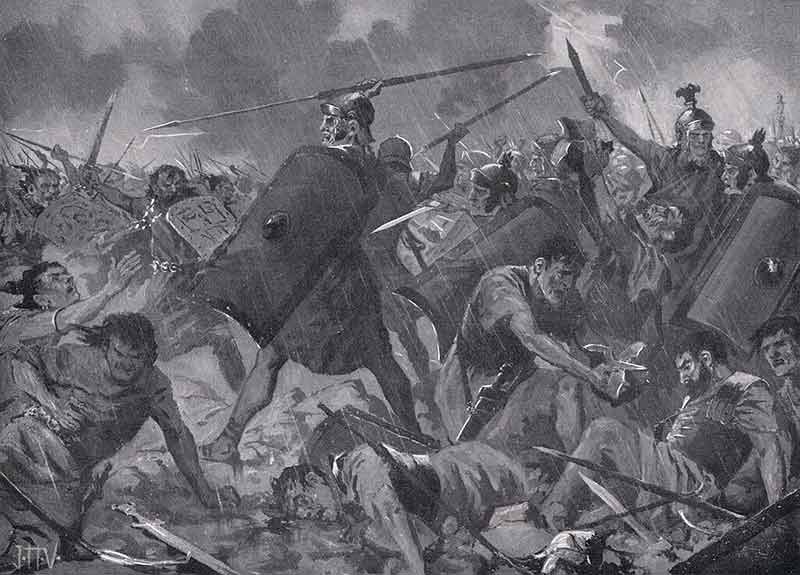
Polyeuctus’ and Nearchus’ legion—The Legio XII Fulminata or “Thunderbolt Twelfth Legion”—in battle against the Quadis
With the unbridled zeal of a new convert, and with passion surpassing prudence, Polyeuctus stormed into the public square, ripped asunder the imperial edict that condemned Christians, and proceeded to tear down the lifeless idols surrounding him that mocked the living God. We can imagine what a disruption such a scene made, with him being so distinguished a figure in his district, and committing these acts of defiance while in the uniform of a soldier of the Empire.
Almost immediately he was seized by the authorities and tortured, while his weeping wife, children, and father-in-law implored him to recant his new religion for the sake of an earthly reprieve. Yet, fortified by the indwelling Spirit of God, this brave man was immovable, his faith anchored in Christ alone, declaring the fleeting glories of this world as mere dross compared to the eternal riches of knowing the one true Savior.
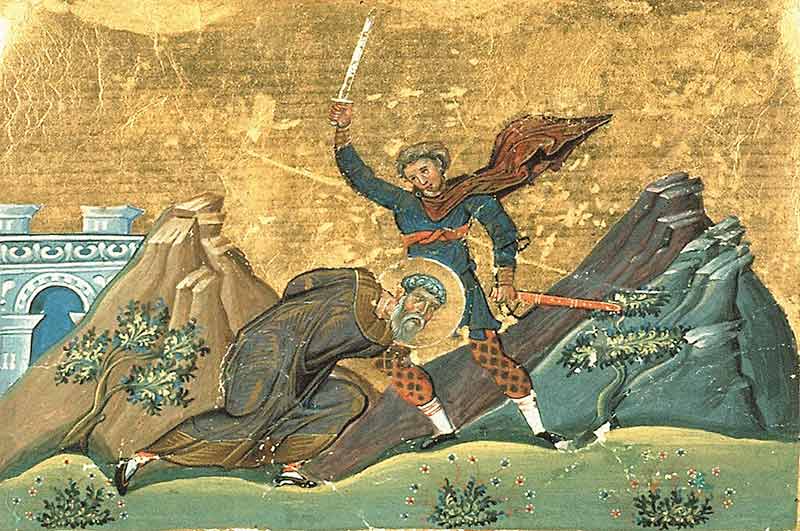
The martyrdom of Polyeuctus
As Polyeuctus was led to execution, he spotted his beloved Nearchus in the crowd. Polyeuctus cried out to him joyfully: “Save yourself, my dear friend! Remember the vow of love confirmed between us!”—which was a sacred pledge of brotherhood, to remain faithful unto death for Christ’s sake.
Beheaded on January 10, AD 259, Polyeuctus’ martyrdom reminds us that God’s dear ones are preserved through fiery trials by His unassailable providence.
Nearchus, the faithful instrument of grace in Polyeuctus’ conversion, soon followed his beloved comrade into glory through a separate yet equally glorious crown. Having gathered Polyeuctus’s blood in a cloth as a precious relic and chronicled the acts of his martyrdom for the encouragement of the church, Nearchus himself was arrested amid ongoing persecution and condemned to be burned alive—a torment distinct from his friend’s swift beheading. His fiery death sealed their shared vow, reuniting them eternally before the throne of the Lamb.
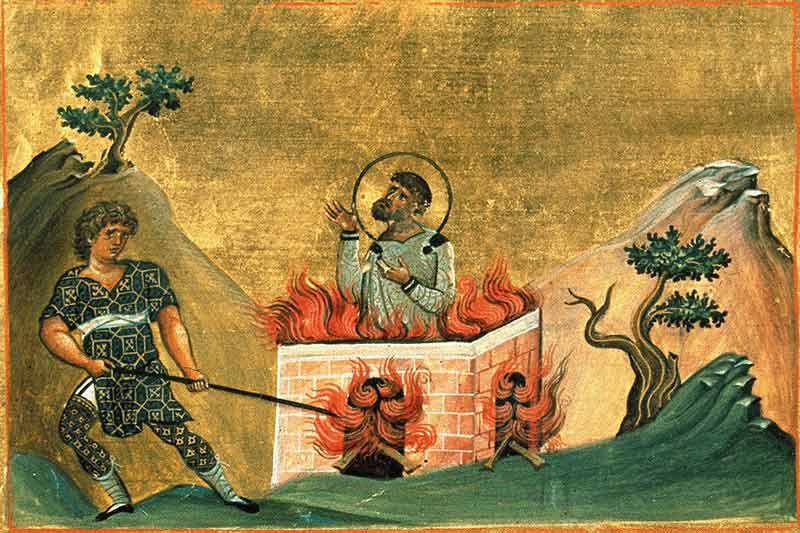
The martyrdom of Nearchus
The legacy of their joint witness endures far beyond the obsolete frontiers of the Roman Empire, a fortifying reminder that through Christ we are unified and strengthened, though some of us may be bereft of family or security, in Him we have all that we need, and in each other we should find that community and encouragement for which we have been made a body of believers.
*NOTE: As is often the case with the lives of early saints, the established narrative of their testimony has been cobbled together —in many cases centuries after their deaths—and from sources now lost to us. Such biographies of the lives of these saints are called hagiographies, and were written in part to justify their saintly canonization by the Catholic or Orthodox Churches. Their factual veracity is thus under some weight of scrutiny, and in the case of Polyeuctus, the earliest narratives of his life disagree on dates and whether the edict of persecution came down from Emperor Valerian or Emperor Decius, yet the discrepancy is only a matter of a decade.
Image Credits: 1 Christ and the Centurion (wikipedia.org) 2 Emperor Constantine (wikipedia.org) 3 Roman Empire in AD 125 (wikipedia.org) 4 Polyeuctus (wikipedia.org) 5 Malatya, Turkey (wikipedia.org) 6 Emperor Valerian (wikipedia.org) 7 Family offering incense (wikipedia.org) 8 “The Thundering Legion” (wikipedia.org) 9 Martyrdom of Polyeuctus (wikipedia.org) 10 Martyrdom of Nearchus (wikipedia.org)