
The Great Jamaica Revival, 1860

“So then, those who had received his word were baptized; and that day there were added about three thousand souls. They were continually devoting themselves to the apostles’ teaching and to fellowship, to the breaking of bread and to prayer.”
—Acts 2:41, 42
The Great Jamaica Revival, September 28, 1860
“I would affirm that much of the modern approach to evangelism, with its techniques and methods, is unnecessary if we really believe in the doctrine of the Holy Spirit and His application of God’s message…Should we not concentrate more, as the church has done through the centuries, upon praying for, and laying the basis of Christian instruction for, revival as it is described in the Bible?” —D. Martin Lloyd Jones, 1989
 n September 28, 1860, a German Moravian missionary to Jamaica, Theodor Sonderman, entered his chapel in Clifton, Jamaica, expecting to lead a typical Moravian worship service. What took place then and for about two years following, changed the island colony, perhaps for centuries, and for many individuals, forever. Like previous true spiritual awakenings, the “Great Jamaica Revival” began with the prayers of the saints. Although Jamaican Christians could not follow the example of the churches in New York City, where God was bringing thousands to Christ in 1857-59 and where thousands met at lunch time across the city to pray for continued revival, devout saints in Jamaica got up at the “peep of day” to hold prayer meetings for revival before going to the fields to work, and they prayed earnestly on Sundays for the Holy Spirit to visit their island with revival in the churches. “Soon the pattern of earnest prayer, followed by the conviction of sin and painful penitence, and then outright conversions, commenced. What began with small revival prayer meetings became an awakening of the masses.”*
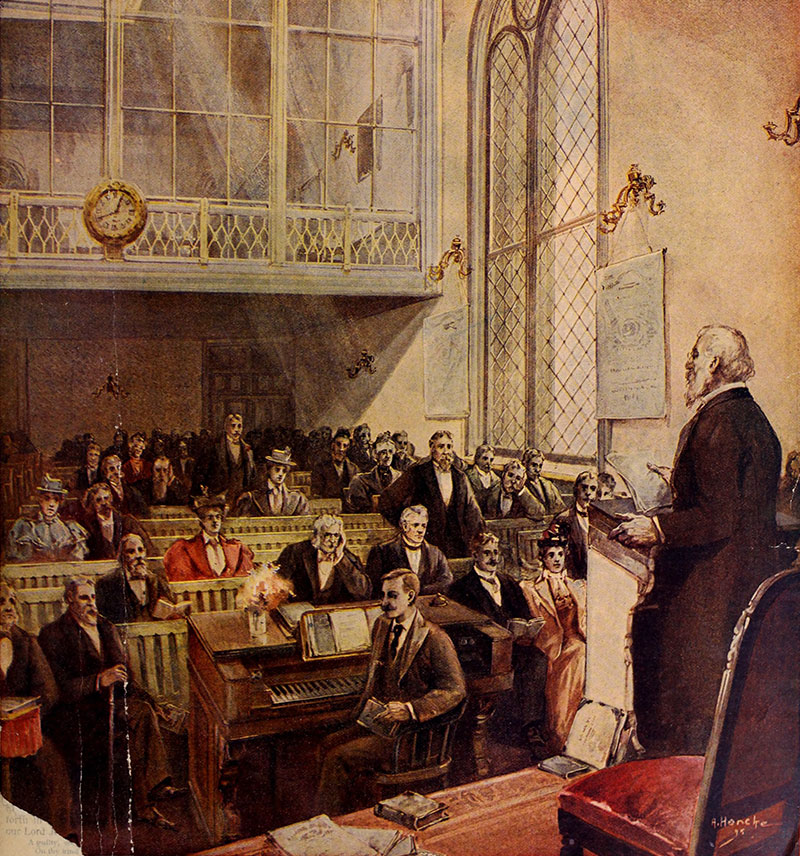
The Fulton Street Prayer Meeting of 1857 in New York was the initial event that led to a season of revival in America and beyond
It began in the Moravian congregation when, after Pastor Sonderman’s prayer, others of the congregation began praying, including children. He saw tears streaming down everyone’s faces, and hardened sinners crying out for God’s mercy. The pastor had to stop the service to deal with all the convicted people, many who were in great distress over their souls. Many others moved to a nearby schoolhouse to continue praying. For four weeks almost non-stop, Rev. Sonderman counseled and prayed with the hundreds of respondents. The revival spread quickly to the Anglican, Baptist, Congregationalist, Methodist, and Presbyterian congregations from Montego Bay to St. Thomas and from St. Ann’s Bay to Savanna-la-Mar, the entire island. The churches were packed with repentant worshippers, with Bible reading, prayer, praise and preaching taking place almost every day in one place or another, for two years! The eighty Baptist churches recorded 12,000 conversions over the next years, the Presbyterians more than 4,700 in the next two years. In Montego Bay, the Methodist Chapel of 800 members added another 547.
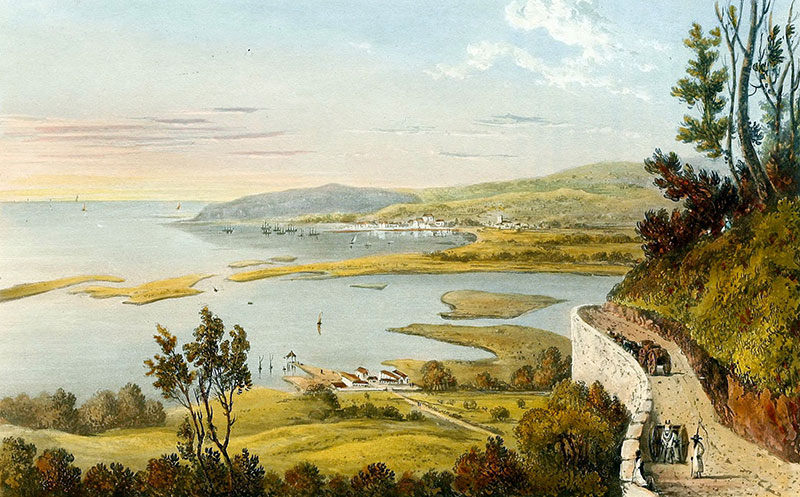
Montego Bay, Jamaica as it appeared in 1820
As the historian and theologian Ian Murray has pointed out in the important book Revival and Revivalism, wherever there is true Holy Spirit awakening and widespread conversions, there is usually found an accompanying strong resistance and mockery, as well as spurious claims of conversions and heretical counterfeit preaching and manipulation. In pursuit and evaluation of claimed revivals of the past, the historian can investigate resulting changes that took place in the culture and the record of increased church membership, both characteristic of true revival. Jamaica provides ample evidences to assess the genuiness of the claims. A Congregationalist minister summarized the practical results of the revival thusly:
“It closed the rum shops and gambling houses, reconciled long-separated husband and wives, restored prodigal children, produced scores of bans to be read for marriage, crowded every place of worship, quickened the zeal of ministers, purified the churches, and brought many sinners to repentance. It also excited the rage of those ungodly people whom it had not humbled.”
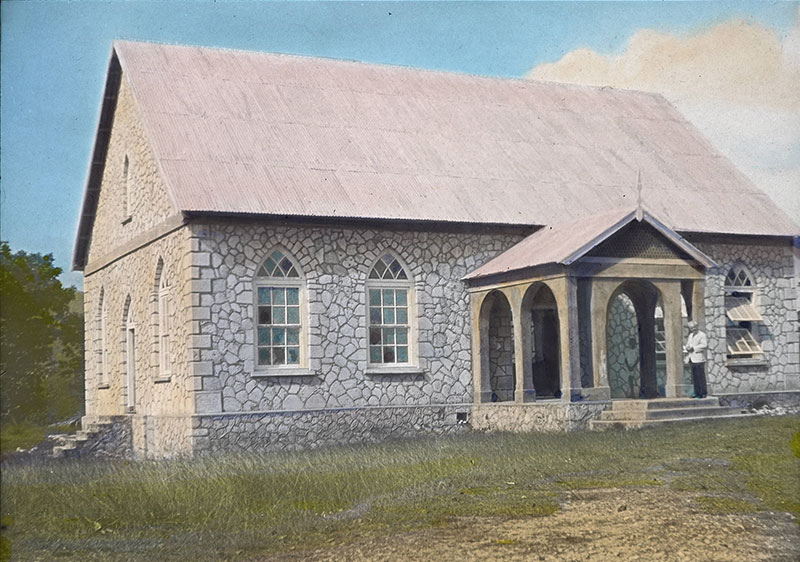
Cambridge Church, Jamaica
Many Jamaicans had cast off their superstitions and demonic influences that had passed through generations from African origins, others abandoned sinful relationships for marriage, the crime rate dropped dramatically and the pastors recorded genuine long-term change in the lives of their congregants. It seems every soul in Jamaica was affected, some in hardening their hearts against the Gospel, but most embracing the Christian Faith whole-heartedly, and knew how to express it in song, prayer, and obedience to the Holy Scriptures. There was no “getting up a revival,” or appeal to a mythical “autonomous free will.” With the Holy Spirit changing hearts, the divine gifts of repentance and faith brought a Pentecost like none in the Caribbean had ever witnessed before in history.
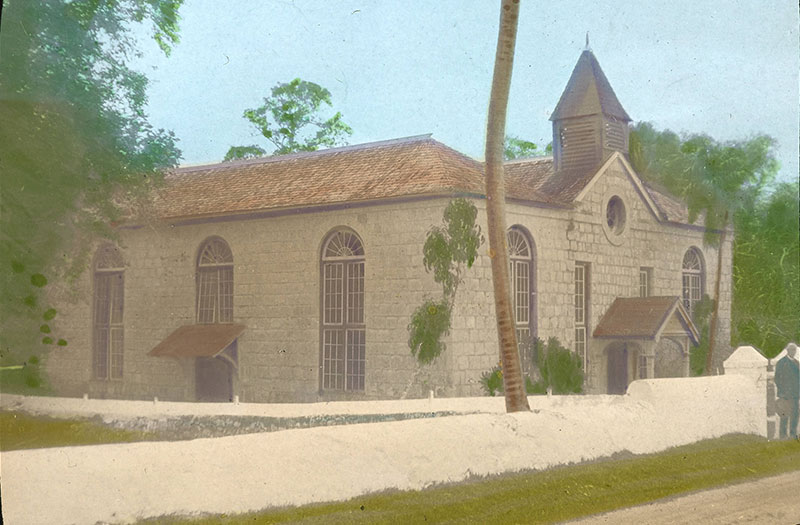
Hampden Church, Jamaica: Scottish missionaries worked at Montego Bay in the 19th century and in 1836 the first presbytery of the Jamaican Church was constituted here
Although the counterfeits and evil undercurrents of culture exist there today, abundantly in some places, the multi-generational faithfulness of the true Christian Faith also still flourishes in places of the island that God has reserved for His kingdom.
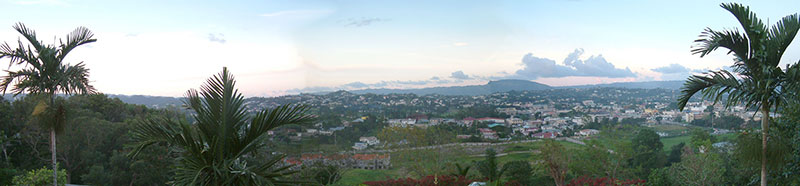
Mandeville, Jamaica today
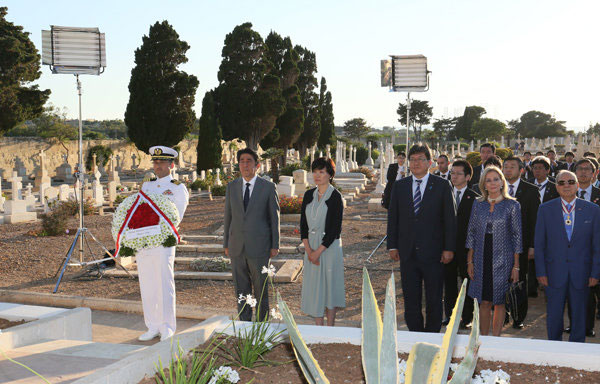
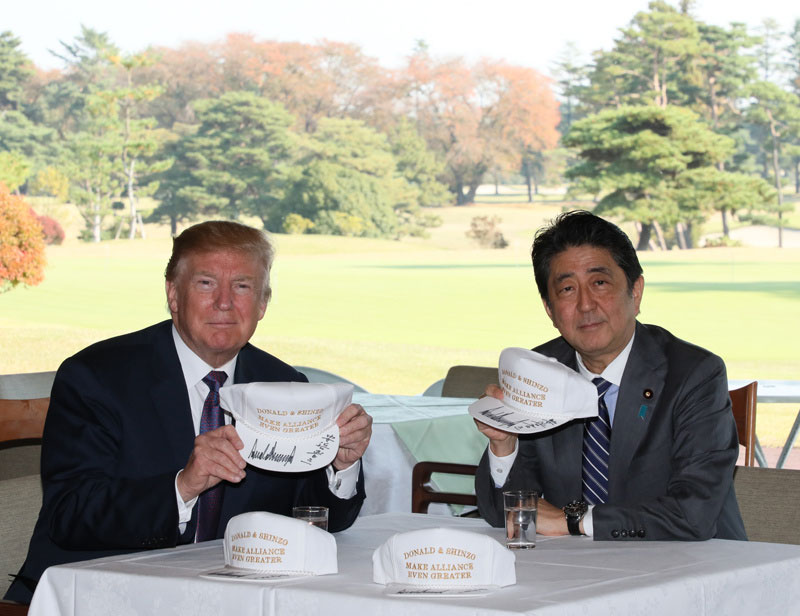
 mericans tend to ignore Japan as a nation, even less the men who have served there as Prime Minister in the post-WWII era. Unless a tsunami has wiped out a few thousand people or swamped a nuclear plant, Japan and its history are not on our contemporary concern list. The Second World War still ranks in first place in American historical interest regarding the Land of the Rising Sun, but of little consideration after the bombing of Nagasaki in 1945. Ichiro Suzuki and Shohei Ohtani have name recognition because they lead the list of American Major League Baseball All-Star players from Japan. It is thus no surprise that athletes receive the most attention from Americans, who paid little mind to the recent assassination of former PM Shinzo Abe on July 8 this year. He was the greatest and most important prime minister of Japan, and the most politically conservative PM, since the end of WWII.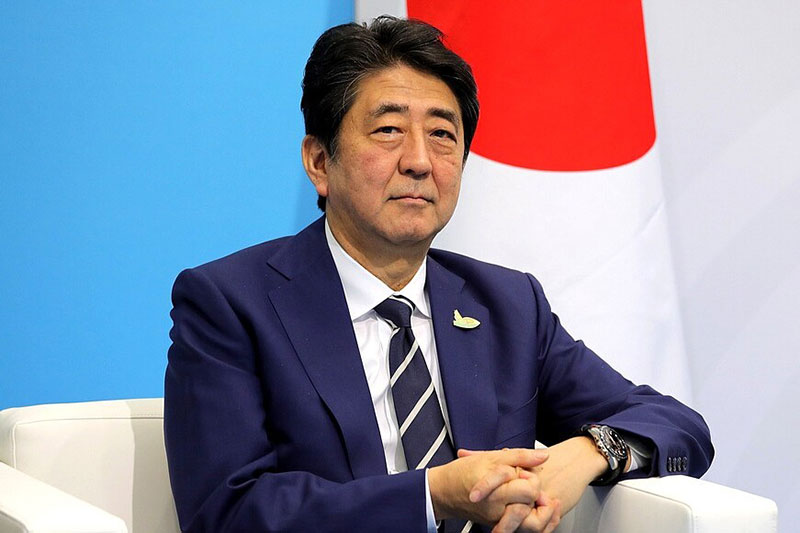

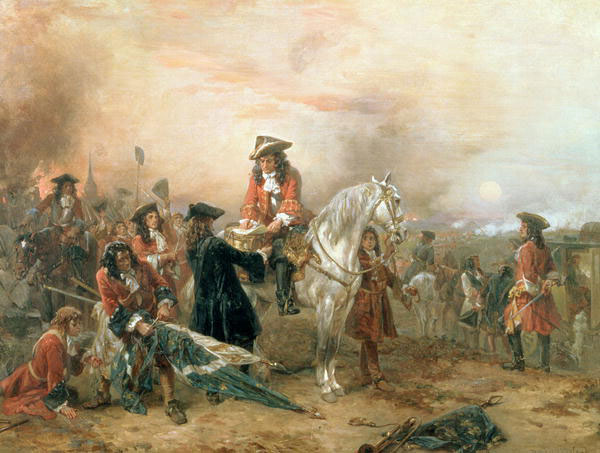
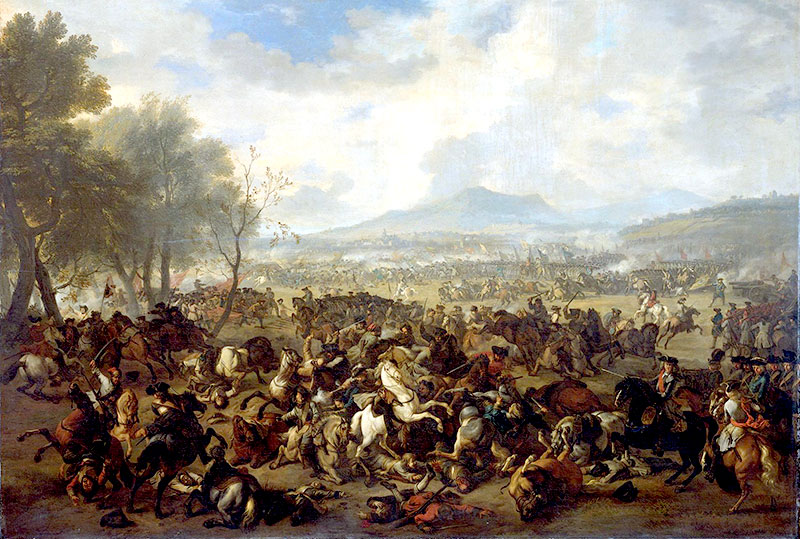
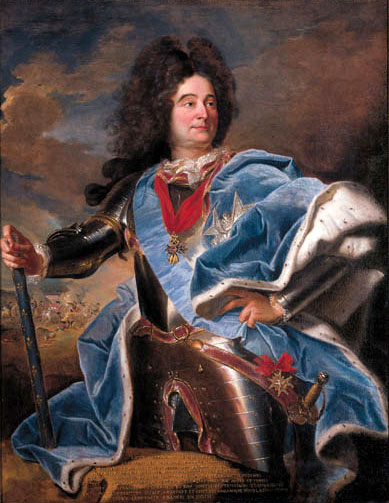
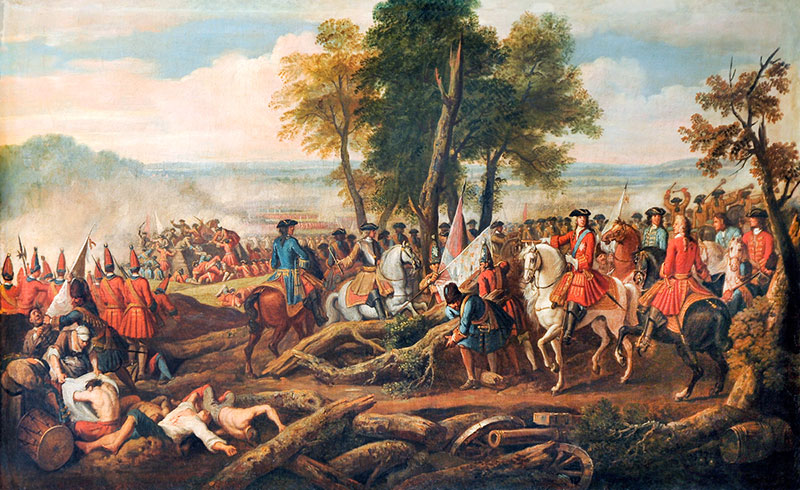
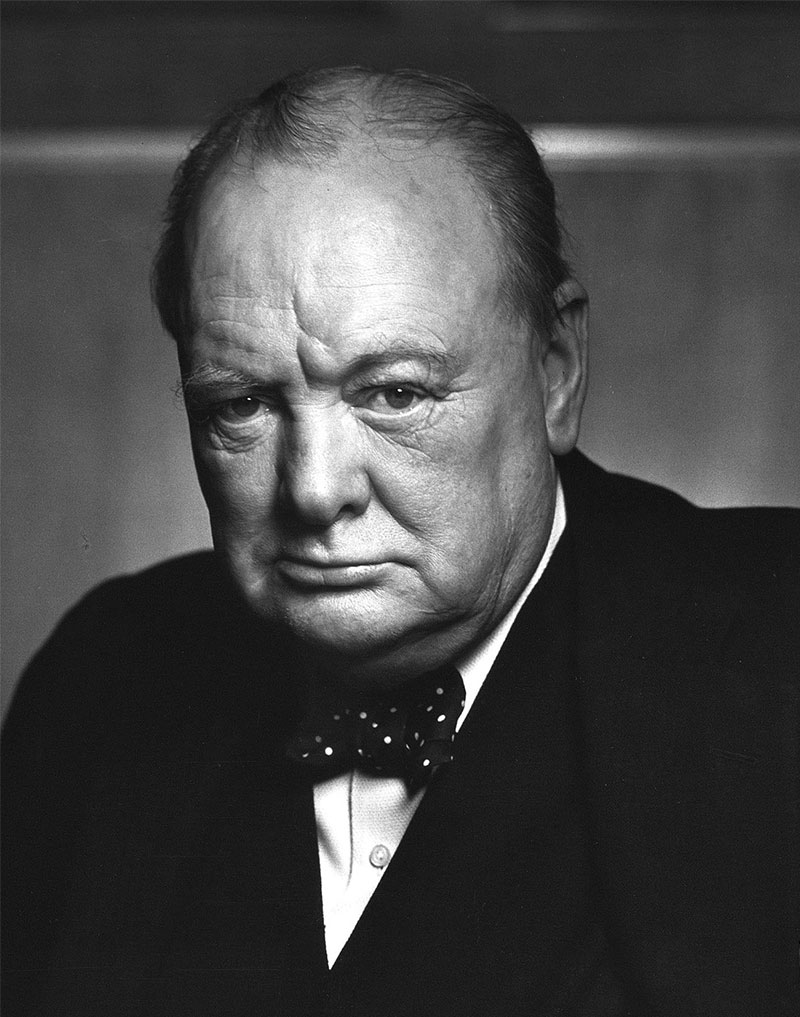
 ir Winston Churchill, MP (1620-1688) fathered eleven legitimate children, fought for Charles I in the English Civil War, paid a huge fine for serving on the losing side, and died the year his beloved patron James II lost the throne of England to William and Mary. He served as a Colonel, fighting against Oliver Cromwell, who never lost a battle in which he commanded. John (1650-1722), the eldest son of Sir Winston, served as the highest ranking General of Great Britain in a war that changed the face and destiny of Europe, ironically becoming the second of the two English generals in history who never lost a battle. As the most illustrious ancestor of the 20th Century Winston Churchill, his accomplishments, if not his full title, distinguished him above all his peers: John Churchill, 1st duke of Marlborough, marquess of Blandford, earl of Marlborough, Baron Churchill of Sandridge, Lord Churchill of Eyemouth, Reichsfurst (Imperial prince).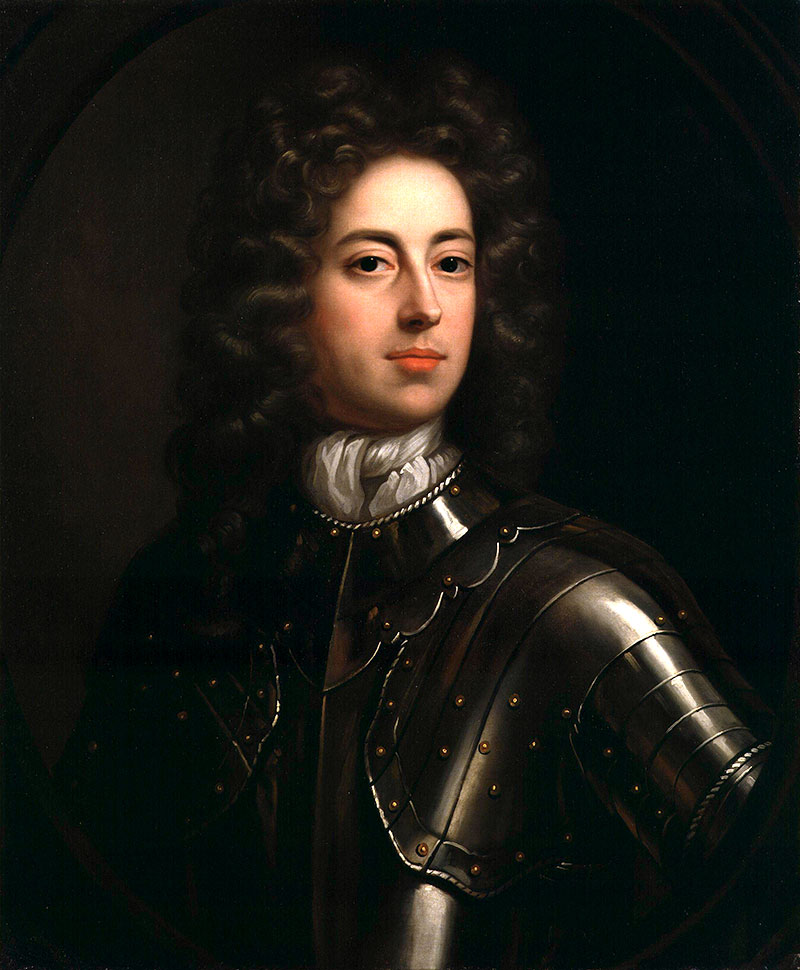
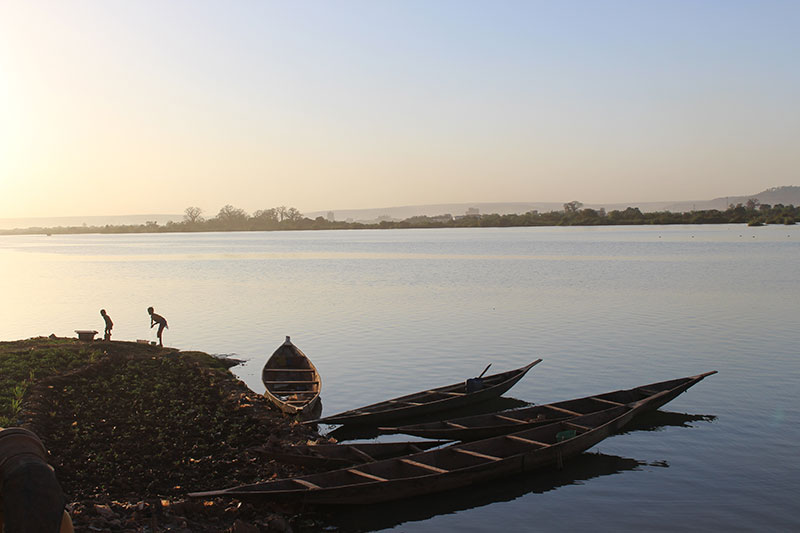
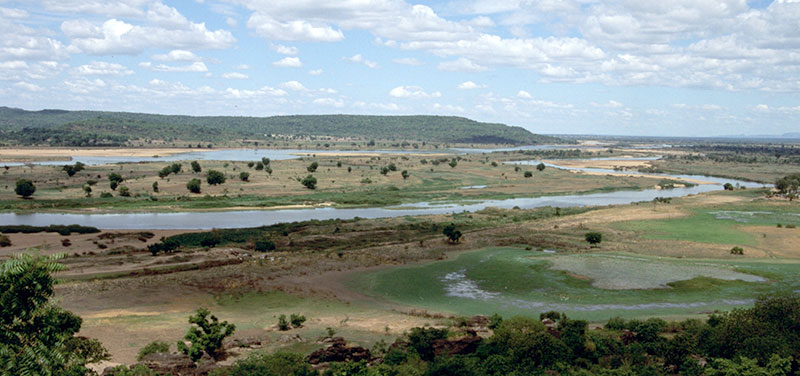
 est Africa has long been known as “the white man’s graveyard,” and for obvious and deadly reasons—fatal tropical diseases have plagued Europeans along those coasts for five hundred years. Until modern times, to visit a trading post, fort, naval port of call, or missions station along the central African Atlantic shore, risked acquiring fevers, parasites, hostile natives, and diseases for which the white man had neither immunity nor reliable cure. Nevertheless, Europeans were willing to risk all to acquire slaves for the Spanish, Portuguese, Dutch, and English colonies in the Americas.