Bill Potter’s Lowdown and Lessons from Florida
2017-08-05T19:50:10-05:00February 19, 2016|Tour Recaps|

Ask the average American what comes to mind when they think of Florida. It will likely be Spring Break (sum total of college students’ knowledge), Oranges (TV watchers of the orange juice marketing), Retirement (the only known place on earth to retire if you live in Michigan or New York), or Disney World (the universal answer of everyone under forty)! Our tour group can now add to that limited knowledge, and understand more clearly the place of Spain and her colonies in the web of history.

No Shortcuts to Heaven

Now you know that the name of the state was invented about 503 years ago by explorer and governor of Puerto Rico, Juan Ponce de León. We walked around the place he landed and talked about the mythology that people embrace, seeking eternal life without responding to the means God provided in the Lord Jesus Christ. There are still no shortcuts to Heaven nor ways to avoid leaving this world other than feet first. The governor was only the first of many who came to Florida seeking gold, evangelizing for God, and hoping to find glory along the way. He found oranges, resistant natives, and eventually a six-foot plot of his own.

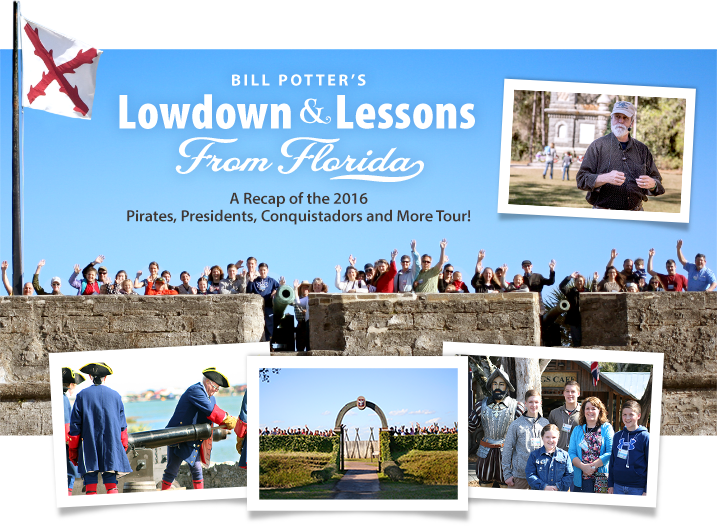
On site at the landing spot of Ponce de León
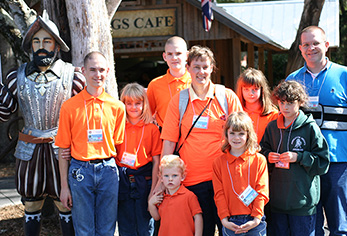

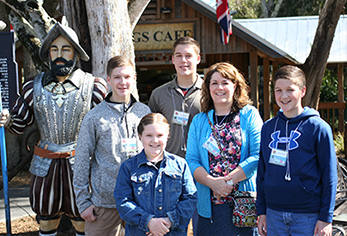
Fellow Floridians enjoying local history

Catholic Spain vs. Protestant France

Pedro Menéndez de Avilés — hitman for Phillip of Spain and executioner for the counter-reformation — landed on St. Augustine Day and named his cove after the great post-apostolic father. He attacked the Huguenot settlement of Fort Caroline surprising the garrison just before dawn. The male prisoners who were not Roman Catholic were all hanged and the women and children enslaved. The short-lived Protestant enclave gave way to permanent Spanish settlement and the people of Florida would speak Spanish instead of French for more than two hundred years.
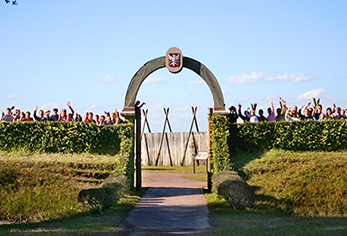

Manning the walls of Fort Caroline
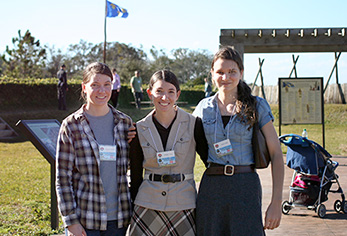

Inside the Huguenot Fort in Jacksonville

Oldest Masonry Fort in the United States

Menéndez would build the first of ten forts named Castillo de San Marcos, the first nine being burned down by pirates, and English and American armies. The tenth one, however, is a magnificent masonry star fort made of coquina shells, which has stood the test of time and absorbed whatever could be thrown at it. It symbolizes the power of Spain in the New World but existed on the frontiers of the empire, beyond which the English would settle and eventually conquer the continent. Nonetheless, it is the oldest masonry fort on the continent in the oldest continuously inhabited city.
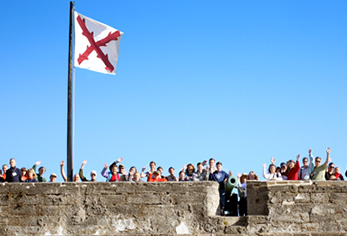

Wish you were here! — Castillo San Marcos
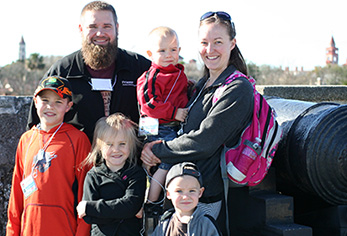

The walls of the mighty fortress in St. Augustine

Pirates — Truth vs. Myth

Pirates were central to the story of St. Augustine, Fort San Marcos, and all along the Florida coast. We visited the best pirate museum in the United States, led through the pages of history by a Captain Mayhem, a piratical character born out of time. We discussed the place of pirates in the history of Florida and meditated on the ways they have been presented to the American public through Hollywood film. Not just the lovable crazy uncle that happened to take other people’s stuff once in a while, the wily freebooters of the Spanish Main were a cross between gangland thugs, with their own distinctive language of profanity and of the sea, and professional terrorists, living by a peculiar code of honor and deadly camaraderie. We noted that some made Christian claims and relied on letters of marque as privateers to justify their activities. Be careful not to call evil good and good evil. Pirates are funny and charming till you are bereft of your possessions and swinging from the yardarms. That is where they all ended, soon enough. (I still like Captain Blood, though).
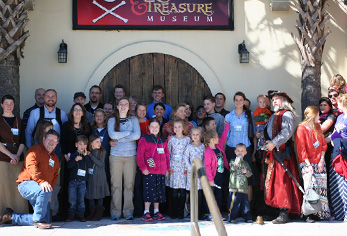

The greatest Pirate Museum in the country
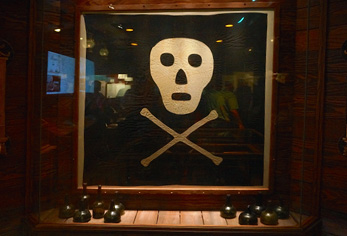

1 of 4 authentic “Jolly Rogers” in existence

“Old Hickory”

The name of Jacksonville is a reminder that Andrew Jackson rode to the presidency on the back of his military victories, not the least of which involved bearding the British lion, scaring the Spanish governor out of his wits, and annihilating anyone in his path. He even intimidated two sitting Presidents until he could replace them in a few short years. The path to the White House no longer includes graves full of resisters, manly men who fight duels over insults to women, unprincipled loudmouths and lawyers bent on power at all costs. At least two out of three, anyway.

Largest Civil War Battle in Florida

We ended our tour at the Civil War reenactment of the Battle of Olustee. Florida played the role of quartermaster of the Confederacy the last year of the War and the Union attempt to destroy the railroad and capture the capital city ended on the very battlefield we were privileged to visit. We were once again reminded that God was active even in the midst of war. The first station to greet us going into the park was the “Reenactors’ Missions of Jesus Christ,” a small group of Christians who portray the Gospel witness that took place in the War and seek to deliver the same message to the reenactors and visitors today.
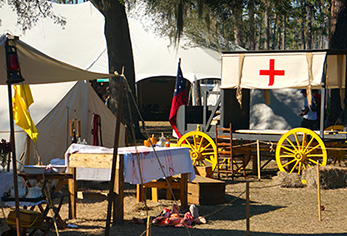

Olustee Civil War aid station
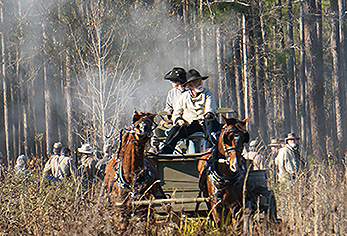

Driving the Yankees back up North

A two-day tour is not very long in time but we can see the hand of God in ways large and small in the life and past of Florida. Those who think its history began with the invention of air conditioning and Mickey Mouse, should think again.

Miss the Florida Tour? — Join Us in 2017!

Florida has always been one of our most popular tours, so if you missed us this year, reserve your spot now for 2017. As an added incentive, register by March 15, 2016 and save 25%!
Bill Potter’s Crown Rights Conference Recap

2017-08-05T20:33:37-05:00February 5, 2016|Tour Recaps|

Western Civilization and the Crown Rights of Jesus Christ

In our day, rapidly becoming an era, evolutionary materialistic humanism has run rampant through all the institutions of our society: educational, political, ecclesiastical, even sports! Christians are told they are the real problem in the world and have been throughout history, exactly what the Lord himself said would be the accusations against his disciples from those who hate God. Keep your religion to yourself, it has no place in a public square guarded by pagans and barbarians.


Curtis Bowers interprets modern mantras


Bill Potter tells the Concord Bridge account

We who believe that Jesus Christ is the Creator God and King of the Universe, the predestining and ruling Lord of the Earth, and the one to whom all men are accountable for transgressing His law, are in a long historical line of heroes of the faith who built Christian civilizations that lasted, in some form, for thousands of years. Some of us gathered in Montevallo, Alabama to review our heritage, analyze the modern world, and encourage one another that God is still on His throne laughing at the pretensions of His enemies. The Conference speakers provided the context in which we ourselves can get off the mat and back in the fight for the Crown Rights of Christ.

Bill Potter began the conference with an analysis of the Puritan use of the idea of America being a “city set on a hill for the world to see.” While American presidents and others have used that biblical expression to justify projecting American power, and force “democracy” on other countries of the world, John Winthrop intended it to refer to the fact that the English Christian settlers were to be an example of loving one another and conforming to the Word of God. Puritan America was encouraged to pursue nothing less than the submission of all of society and culture under the dominion of Christ.


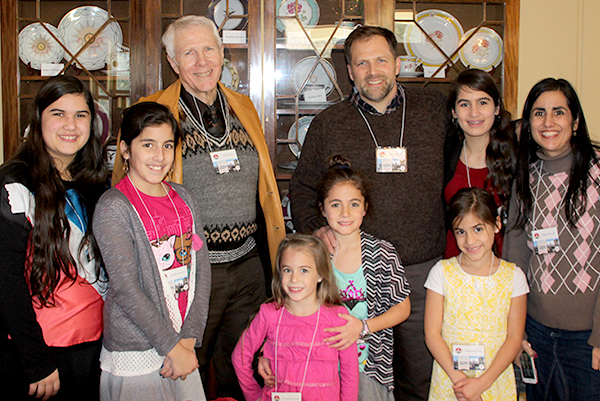
Col. Eidsmoe with a grateful family


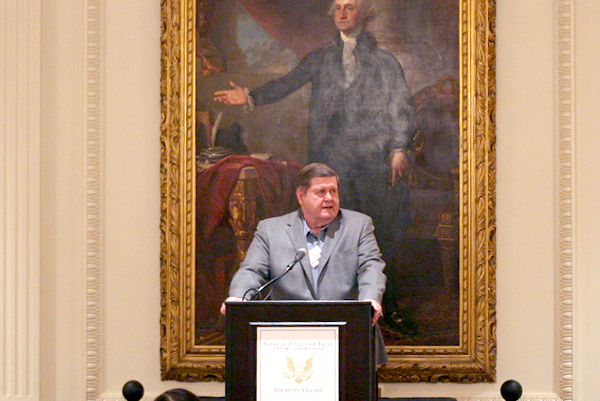
Dr. Morecraft under Washington’s watchful eye

Dr. Morecraft presented three inter-connected lectures on the origins of Western Civilization, the forces that have undermined and are still seeking to destroy it, and finally, what God has revealed concerning the future the church and the world. The stroll down the memory lane of Christendom included St. Augustine, the growth of the Church in the Roman world, the Protestant Reformation, and the descendants of the Reformation Church, both faithful and unfaithful. The intellectual forces of counter-reformation, enlightenment, secular humanism, Marxism, and Darwinism eventually arrayed themselves against Christendom till we see today the results in our own nation’s denial of their past, and the state establishing itself as the god and lawgiver of the people. As an antidote to evangelical pessimism and defeatist attitudes, Pastor Morecraft preached a triumphal and encouraging message from Isaiah 2 on the final triumph of Christ over the nations when his kingdom will cover the earth “as the waters cover the sea.”

Colonel John Eidsmoe brought his encyclopedic knowledge of constitutional history and biblical understanding to evaluate some of the current depravities that have been unleashed upon America by a court system dominated by judicial activism and the unchecked powers of the Supreme Court. He cited current cases that could restore some of the powers granted by the Constitution to the states and answered questions from the audience regarding legal defenses, especially interposition.


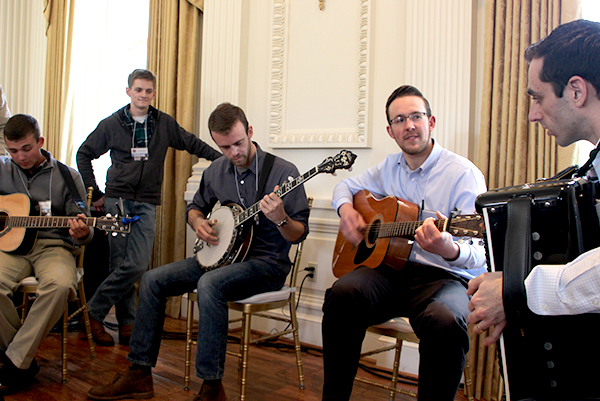
The glorious gift of music and song


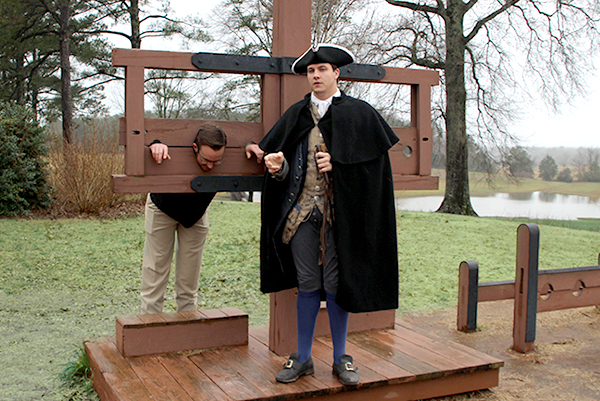
Colonial corporal punishment

Two Christian filmmakers enlivened the conference with practical lessons on the power of film to communicate biblical principles and to expose the institutions and ideologies that are undermining both church and state. Colin Gunn has taken on the public school juggernaut and the socialistic takeover of the health care industry in his documentaries Indoctrination and Wait Till Its Free. He showed the techniques that work best to present a compelling argument either for or against particular propositions or policies. Curtis Bowers told the story of his stepping out in faith to make his first film and how God has blessed his efforts at exposing the insidious nature of the Marxist-Leninists ideology and the advocates’ patient, long-term march through the institutions of western society. In Agenda and Agenda II, the Bowers family have produced powerful historical exposes on the successes of the enemy’s agenda to destroy Western culture. Knowing our opponent and his plans should arm us to fight back and anticipate their next move. This information needs to be in the hands of every citizen, especially Christians.

Bill Potter brought further historical perspective and example through the life of George Washington and the suffering of the Scottish Covenanter saints. General Washington’s perseverance and devotion to duty and principle brought ultimate victory after many defeats. The providence of God speaks powerfully in the life of Washington for those who have ears to hear and eyes to see the actions of that singular man who brought about the independence of the Republic on the field of battle. The Covenanter battle cry was “For Christ’s Crown and Covenant” and “For King Jesus.” That commitment brought down the wrath of the tyrannical state in the person of the English tyrant. Some compromised to save their skin, others were willing to bear the persecution for Christ’s sake to the bitter end. A few took up arms to defend themselves and their families. When the state orders you to violate the law of God, “we ought to obey God rather than man.”

Bill Potter’s Scotland Recap

2017-08-05T20:47:38-05:00October 29, 2015|Tour Recaps|

Dear friends,

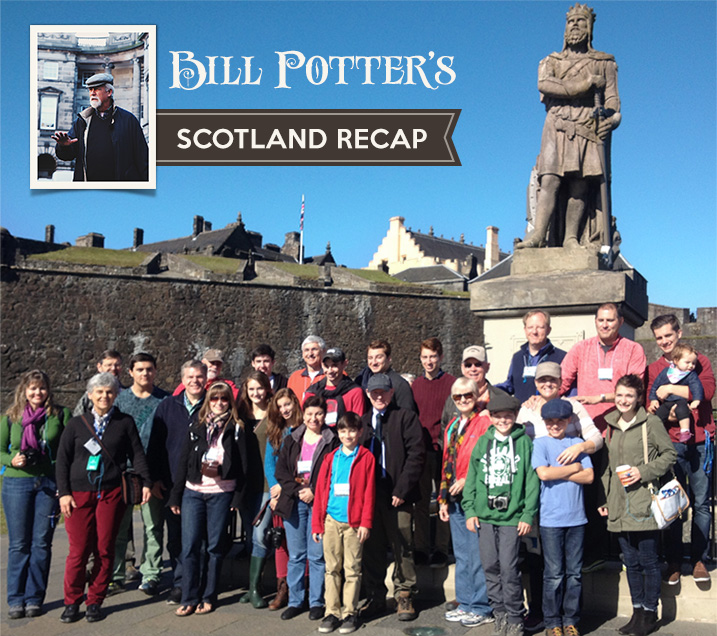
Last month, Landmark Events journeyed to Scotland on a remarkable tour with one of the sweetest groups of travelers ever assembled. We asked Landmark historian Bill Potter to compose an overview so we can share just a glimpse of what we experienced — a tall order given the great scope of all we experienced.
—Kevin Turley, President of Landmark Events

Week 1: Lowlands

In the early autumn of 2015, we joined together an intrepid band of travelers whose imaginations had been fired by history and its Lord, and by myths, music and stone to time travel in Scotland. We began where all travelers begin, in Edinburgh, the city whose tales have no end but where many famous lives finished their course. Our guides along the way: Colin Gunn, Marshall Foster and Bill Potter.


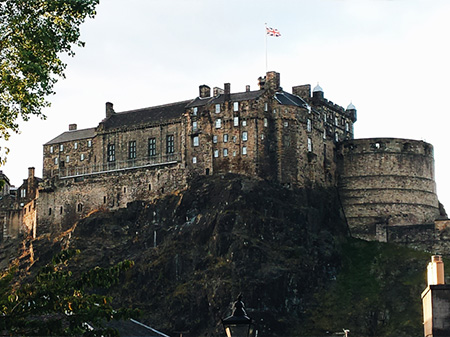
Edinburgh Castle*


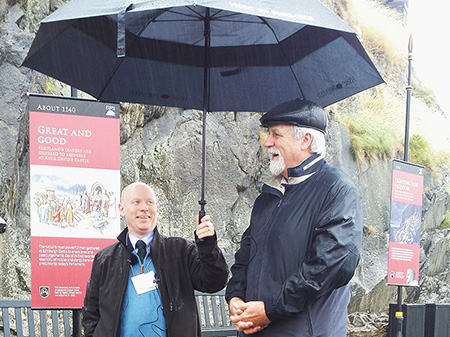
Bill Potter and Colin Gunn*

A survey by coach introduced the group to the town, New and Old though all of it pivots around one of the greatest castles of Christendom. We saw the front door and the training field of the great Christian Olympian runner, Eric Liddell. We strolled in the precincts of Holy Rude Castle, the domicile of kings and queens and got a first look at the narrow weinds, closes, and pounds-sterling vacuuming shops of the “Royal Mile.” To top off the day, our band passed through the portcullis of Edinburgh Castle, not the last one to so enter, gawked at the giant cannon Mons Meg, enjoyed the martial splendor of the Museums of the Royal Scots and the Royal Scots Dragoons Guards Regiments, and joined the reverential viewing of the National War Memorial. The Stone of Scone and Royal jewels reminded us that we were not from around there.

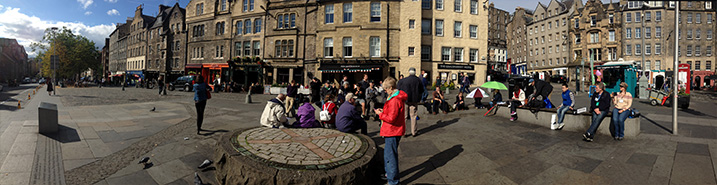
Our second day found us learning of John Knox as we gathered in his parking space grave and stood next to his statue in St. Giles Cathedral. One wonders what he would think of the stain glass windows, his own monument and the theology now regnant in the Church of Scotland, light years from his reformation formularies. Our visit to Knox’s house reminded us that he was a man with a family and subject also to the cares of this world. At Magdalen Chapel we saw the artifacts symbolic of the Covenanter world—a sword used in defense of family against the royal authority and the table on which the hanged and beheaded were lovingly prepared for burial. The marker to the Covenanter martyrs drew us to the Grass Market Square where so many saints laid down their lives for the Kingship of Jesus Christ. The Graveyard of Greyfriars Kirk memorialized the men and women who gave their lives for truth, the likes of Argyll, Guthrie, and Renwick. The cells of the Covenanter prisoners beckoned to remind us that some are called to real physical suffering for faithfulness. The great scholars and preachers of the Reformations are there too, represented by George Buchanan and Alexander Henderson, as well as their 19th century scribe, Thomas McCrie.

We received short lessons regarding the Scottish Enlightenment men such as David Hume and Adam Smith, who tried to roll back the sterner parts of their Reformed heritage and appeal to man’s reason as the source of truth. They had their affect but could not root out a sizable faithful remnant in the centuries to come.


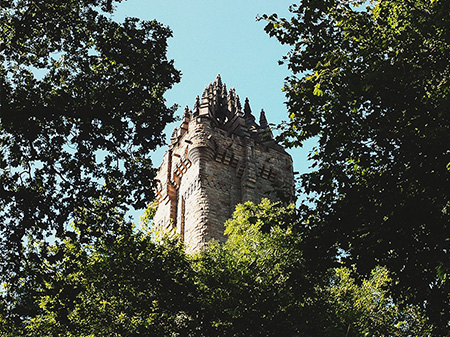
Wallace Monument*


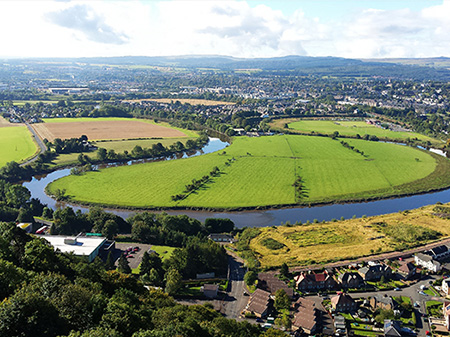
View of Stirling from Wallace Monument*

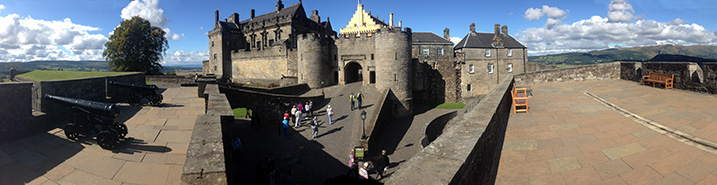
From the rampart of the incomparable William Wallace Memorial tower (one wonders what he would think of that), we looked over the Abbey Craig to the ancient town of Stirling and the river bend where King Edward’s knights came to grief. A visit to the castle and the Argyll and Southerland Regimental Museum there, along with the Robert the Bruce statue outside the walls remind the visitor of the martial ardor of the Scots through the ages. At the Church of the Holy Rude we heard the stories of Pastor James Guthrie and the never-ending turmoil in churches between those who wish to compromise with the culture or the state and those who won’t depart from historic biblical doctrine. The monuments in the cemetery attest to the willingness of some to stand firm in the face of death. In the Stirling plane we walked the battlefield of Bannockburn where King Robert Bruce defeated Edward II’s army and secured Scottish Independence for at least a few years. It had to be defended in every generation.


Stirling Castle

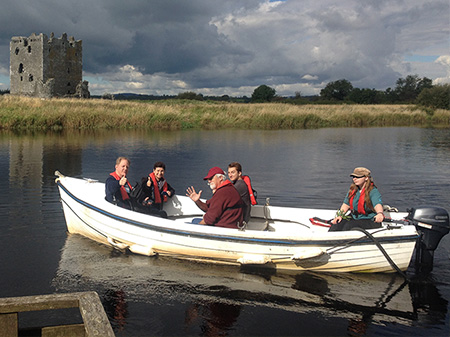
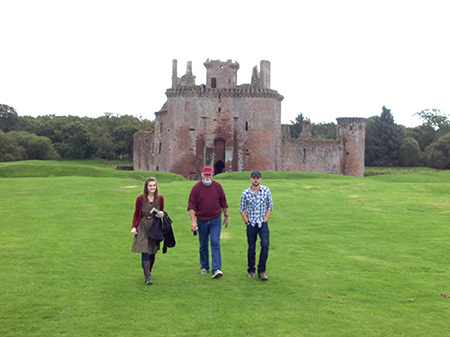
It seems like the story of Scotland could be told by castles alone. A favorite of many of our band proved to be the most difficult to get to &mdahs; Threave Castle on an island in the midst of the Dee River. Of Norman style, it was the oldest of all the ones we visited. Caelaverock Castle, made of red sandstone completed our visit to the Dumfries area, a place redolent with the border conflicts of Scotland through the ages.
Colin Gunn escorted us to his hometown of Hamilton and to nearby Glasgow. We walked in the precincts of the great Cathedral where the first Covenanter General Assembly was held under the direction of Alexander Henderson. The little church in Fenwick, pastored in 1641 by William Guthrie, was one of the wonders of the sojourn. On the walls were the original call of Guthrie by the men of the parish, a framed shadowbox containing the Bible of Captain John Paton, a professional soldier and martyr of the Covenant, a battle flag of the Covenanters, and the famous hour glass by the pulpit, put there to assure the auditors that they were not being short-changed hearing the Word of God expounded on the Sabbath.


Crossing the Dee River to Threave Castle


Beautiful Caerlaverock Castle

To the ancient site of the crowning of Scottish kings at Scone we went and to the Cathedral and castle ruins of St. Andrews. The spots of the executions of the first fruits of the Reformation, Patrick Hamilton and George Wishart, still lie by the college doors, a mute testimony to the spread of the Gospel by men who gave their lives in the 16th Century. We gathered around the grave of the great Samuel Rutherford, author of Lex Rex, a book that articulated the principles of liberty and defiance of those who would build tyrannical government in opposition to the Law of God.
Our first week ended with the usual blessed time of feasting and fellowship and recounting the Grace of God in history.
Week 2: Highlands

Several of our pilgrims returned home and were replaced by new ones for the tour of the Highlands. We parted company with Old Reeky and drove by coach to the historic city of Inverness. The Second best known battle in Scottish history occurred at “Culloden.” The last great rising of clansmen, a mere shadow of former glory, in defense of the Pretender, Bonnie Prince Charlie, and his claim to the throne, resulted in the destruction of the Jacobite army by a coalition of English and Scottish troops. That unique battlefield is commemorated by clan stones, flags, and a cairn monument—all decidedly favorable to the rising clans. In fifty years afterward Sir Walter Scott would turn the rebels into colorful mythological creatures of song, poetry, and nostalgia. Alba gu brath!

Our second stop brought us to Fort George, still an active military post currently housing a battalion of the Black Watch, one of the most storied regiments of Scotland and the museum of the Queens own Highlanders (how would you like to own your own highlanders?). The Fort contains all the classic elements of a state-of-the-art 18th Century fort: bastions, redoubts, casemates, bunkers, ravelin, drawbridge and moats in really nice condition since no one ever tried to test them in battle. It is a fort locked in time, unused but for drill.

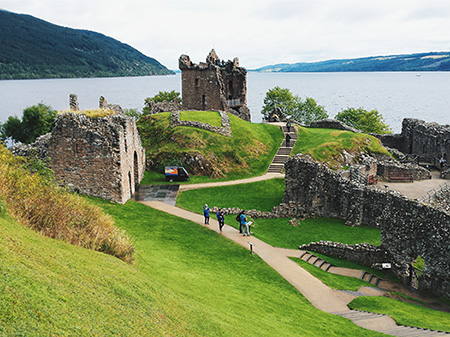
Another beautiful drive brought us to two more lovely spots of war and mayhem, Urquhart Castle and Glencoe. The castle ruins are among the best known in Scotland since they sit above Loch Ness near the serendipitously named town of Drumnadrochit, and was fought over numerous times throughout history by the Earl of Ross MacDonalds and the Douglas Clan. The trebuchet outside the walls hearkened to the medieval times before artillery turned castles into inelegant piles of rock and dust. Our touring pastor took a dip in Loch Ness and did not see any untoward reptiles cavorting about the loch.


Urquhart Castle on Loch Ness*


Atop the Tower at St. Andrews Cathedral*

Passing the fog shrouded eminence of Ben Nevis, we pulled in at Glencoe, the sanguinary site of the massacre of thirty eight of one branch of the MacDonalds by a contingent of Campbells, who betrayed the shelter and hospitality they had been given for two weeks, before ambushing and slaughtering their hosts under instructions approved by King William in 1692. The memory of their historic conflicts lived on even in America, the new environment for the blood feuds of the past.

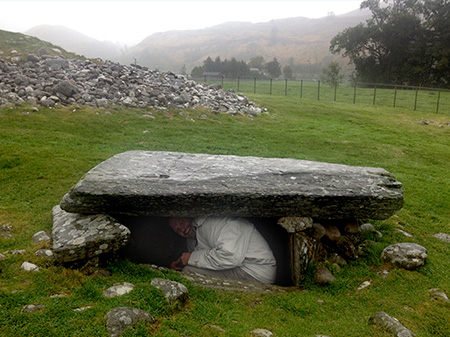
We spent two nights in the Victorian hotel, the Caledonian, in the picturesque fishing town of Oban. We rode to the ancient valley of Kilmartin where the cairns and standing stones speak of people dead for thousands of years in civilizations virtually unknown but by a few archeological and handcraft remains. We scaled the heights of the Scottish capitol of Dun Add, above the river of that name, and surveyed the valley from its height. Some put their foot in the indentation in the rock that many think was the crowning place of the ancient kings of Dalriada, including Kenneth McAlpine, who united the Picts and the Scots. We visited the Church of Scotland church which sits among the graves of people who passed from earth a thousand years ago and further back, including crusading knights. Our delightful lunch in the across the street tavern (which serves the one hundred twenty people of Kilmartin) included cullen skink (a soup, not the proprietor), haggis, and fish and chips, among other Scottish delicacies. Our final stop in Kilmartin at Carnassarie Castle had special meaning because it was the place where the seven foot tall Reformation bishop of the Isles, Sean Carsuil, translated John Knox’s Book of Discipline into the first Gaelic book ever written. He thus brought Reformation theology to the highlands and set the standard for Gaelic translation still in use today.


Pict Burial Cairn at Kilmartin


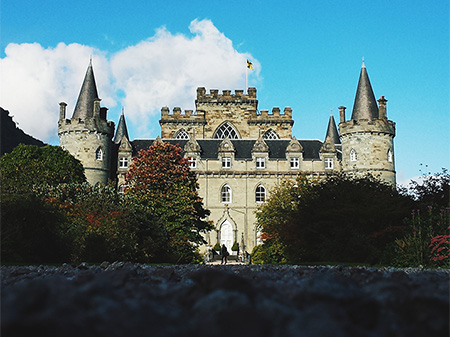
Inverary Castle

We crowned the day with a visit to Inverary Castle, the home of Clan Campbell’s Dukes of Argyll at the head of Loch Fyne. The current Duke was not at home but we were able to view the magnificent military trophies, documents, and luxury of past centuries, as well as walk the beautiful grounds and gardens of this Scottish showcase of the past.

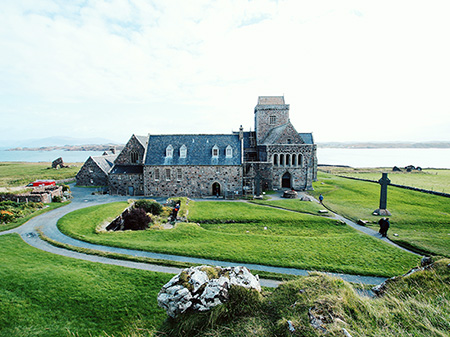
We had the special privilege of spending our final two days on the Island of Iona, site of the monastery/mission station established by the Irish missionary Colm Cille (“Columba”) in the sixth century. The island thus became the platform to launch missionary endeavors of Celtic Christianity among the Scots of Dalriada, the Picts and the inhabitants of England and Europe. Getting there was more complicated than the little leather shells that transported the Irish. We sailed aboard large transport ferries and crossed the Island of Mull in a coach along a one lane road. While the buildings of Iona date back only to the middle ages, the spirit of the ancient missionaries still resonates in the atmosphere of the island. On our last day, some returned to Mull on an afternoon to visit Duart Castle, and many attended the local Highland concert that breaks up the routine of the island’s few inhabitants.


The Abbey on the Isle of Iona


Beautiful Caerlaverock Castle

The return coach trip to Edinburgh gave everyone an opportunity to ruminate on all we had experienced and the final banquet was the bittersweet occasion once again to say goodbye to new friends and wonder why our kin ever left there in the first place. God was pleased to show us the wonders of the past and the evidences of His covenantal hand there, and renew in us a determination to be faithful in the times He has given us to serve Him.

Pro Corona et Foedere Christi,
Bill Potter

Plans are underway for next year’s Scotland tour with details coming soon. Hope to see you there!

Texas Tour Recap

2017-08-07T16:57:45-05:00July 21, 2015|Tour Recaps|


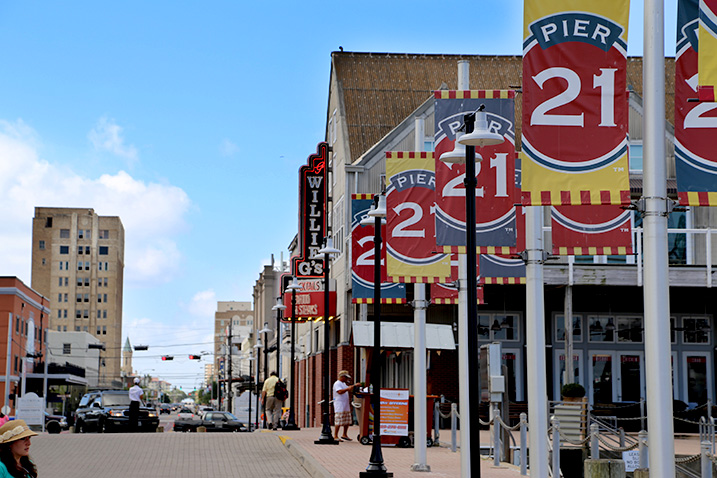
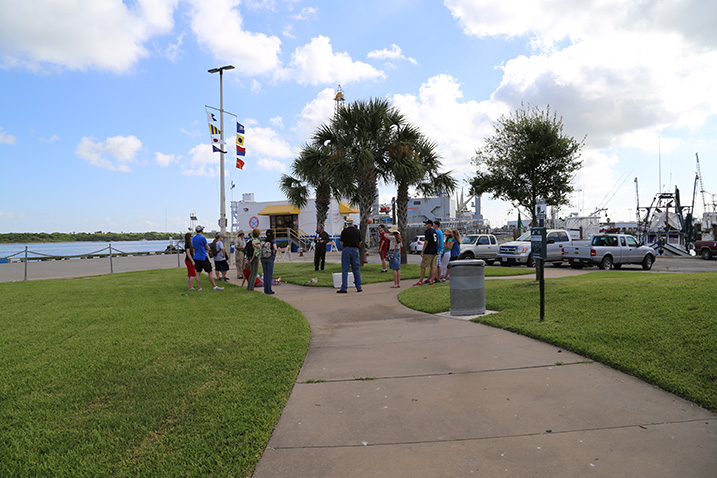
Landmark Events’ Road to Republic Tour of Texas kicked off in historic Galveston.


Bill Potter and Wesley Strackbein set the stage by telling the story of the Spanish, French and Mexican reigns over what is now south Texas


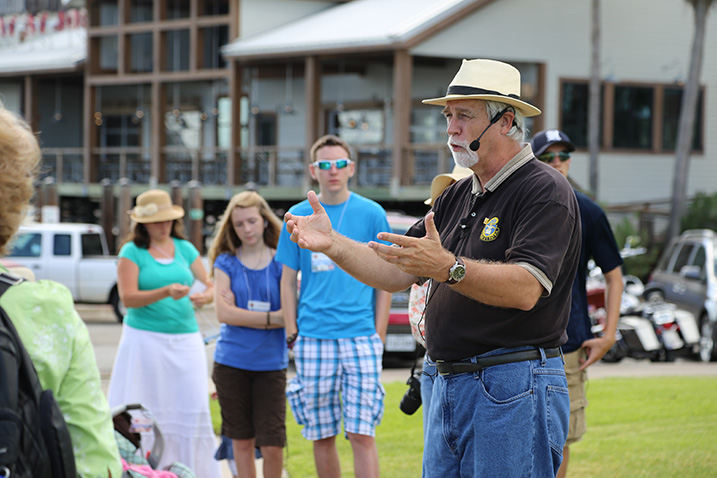
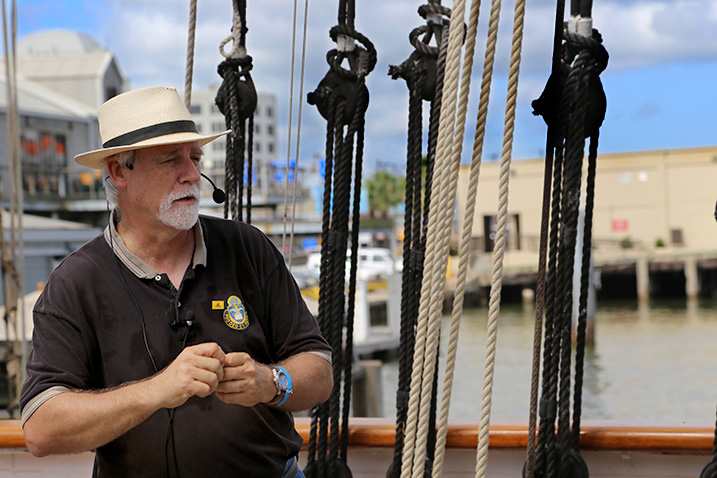
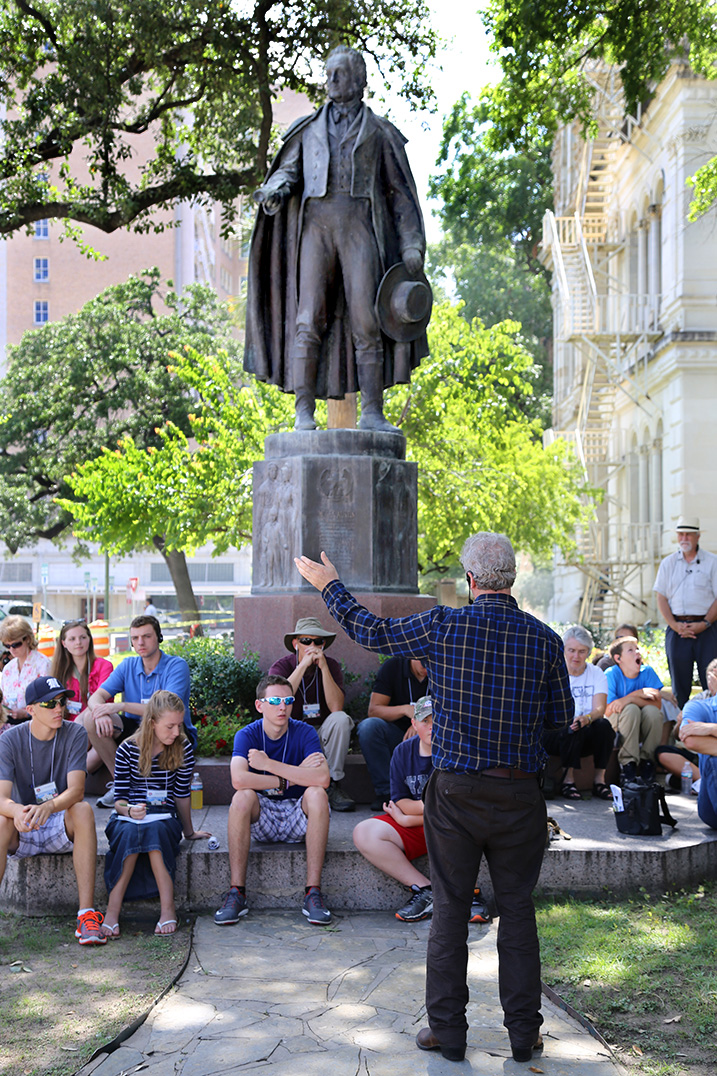
Landmark Events’ Historian Bill Potter explaining the roots of Texas


Mr Potter tells the story of the pirate John Lafitte aboard the Tall Ship Elissa in Galveston Harbor


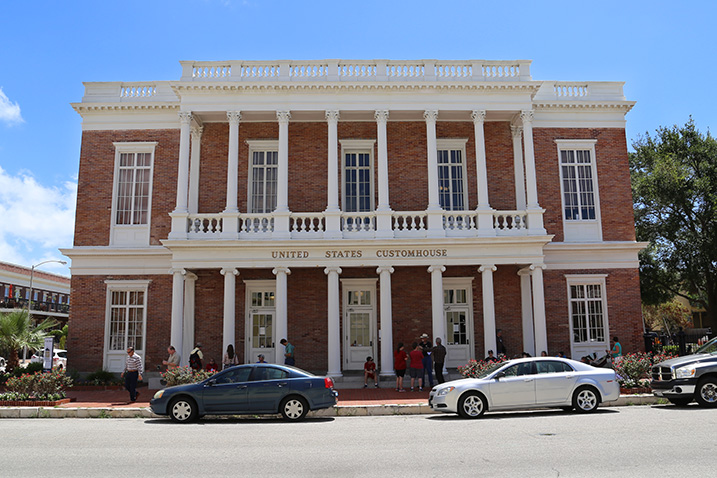
Galveston was Texas’ leading seaport and commercial city during the nineteenth century and the Customhouse collected the revenues that fueled her growth.


The Customhouse was occupied by the Confederate Army in 1865, and by our tour 150 years later.


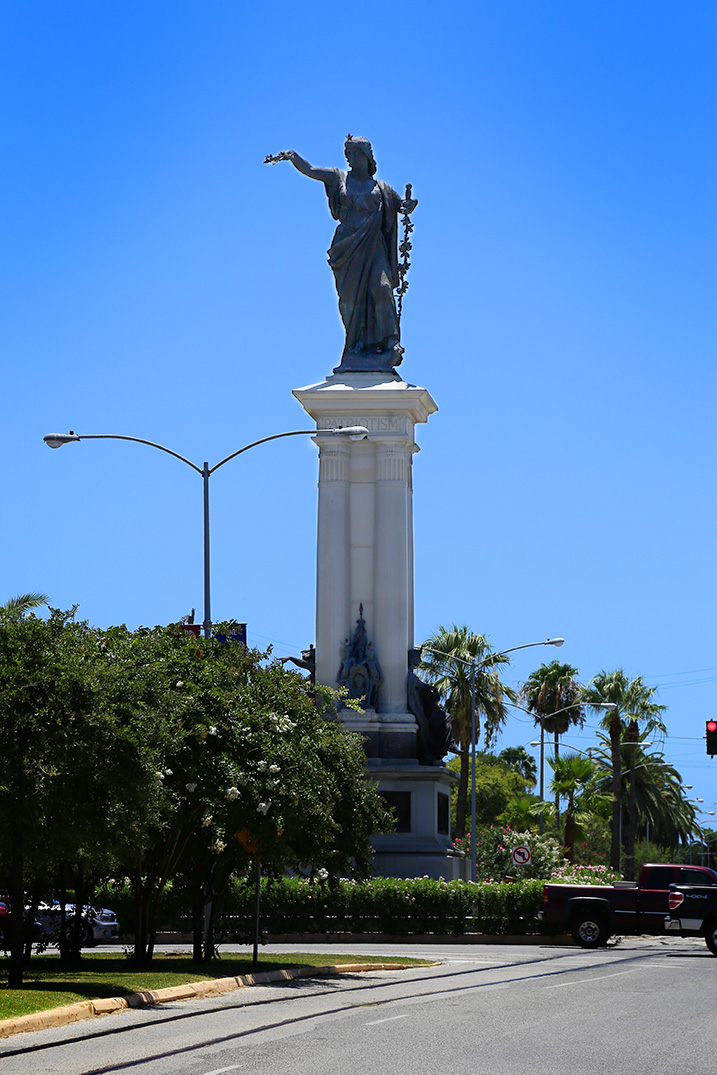
The Texas Heroes Monument commemorates the brave people who fought during the Texas Revolution


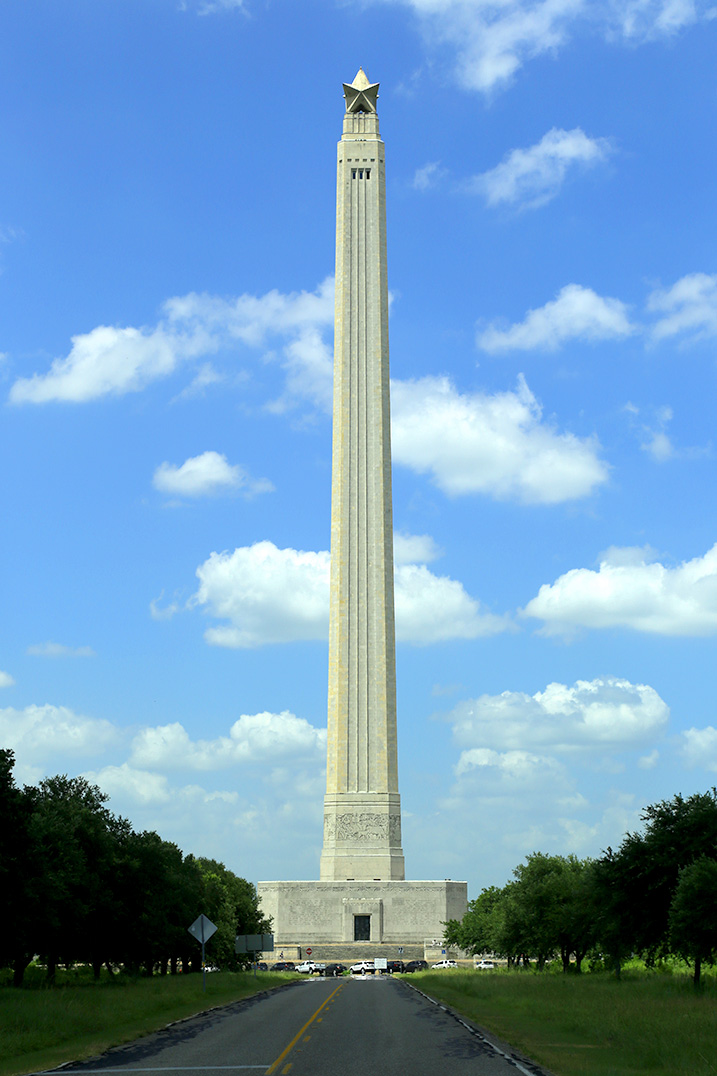
Commemorating the decisive battle of Texas Independence, the San Jacinto Monument — 567 feet tall and topped with a 220-ton star — is the world’s tallest masonry column.


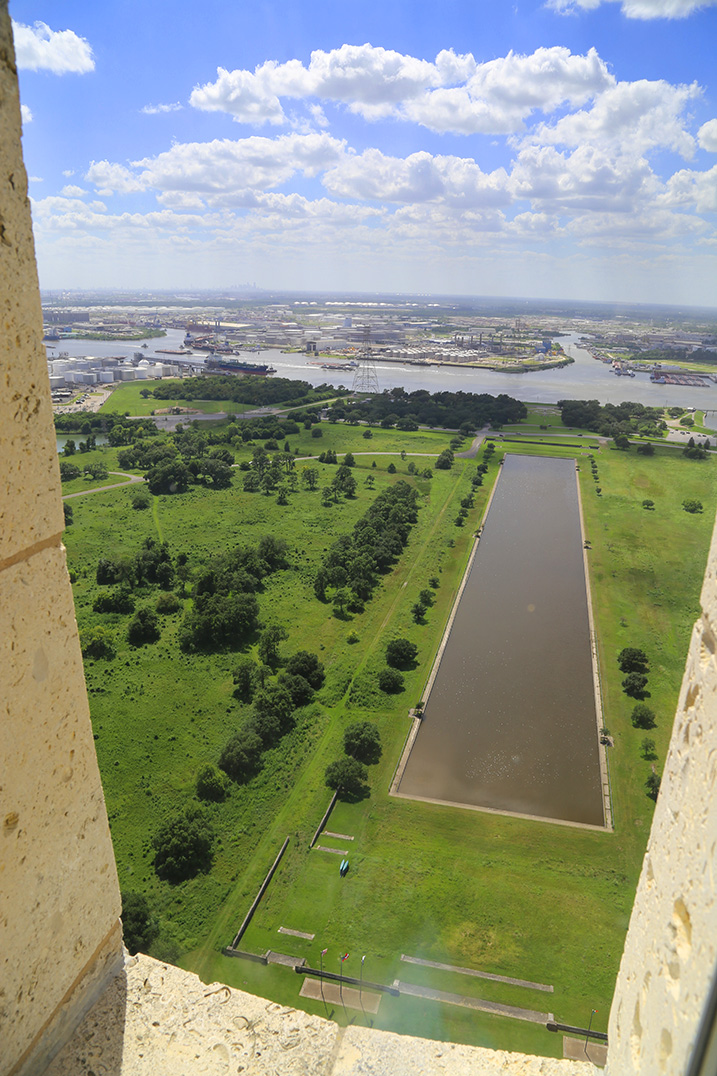
Tour participants were treated to a spectacular view from the observation deck just below the star!


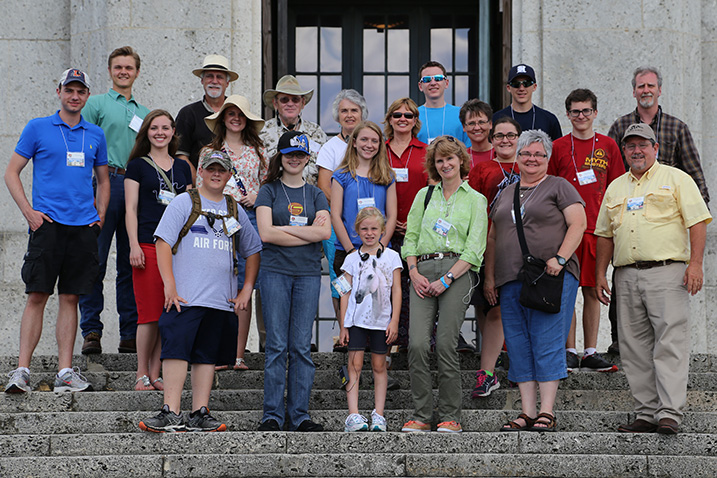
Our Galveston contingent on the steps of the San Jacinto Monument!


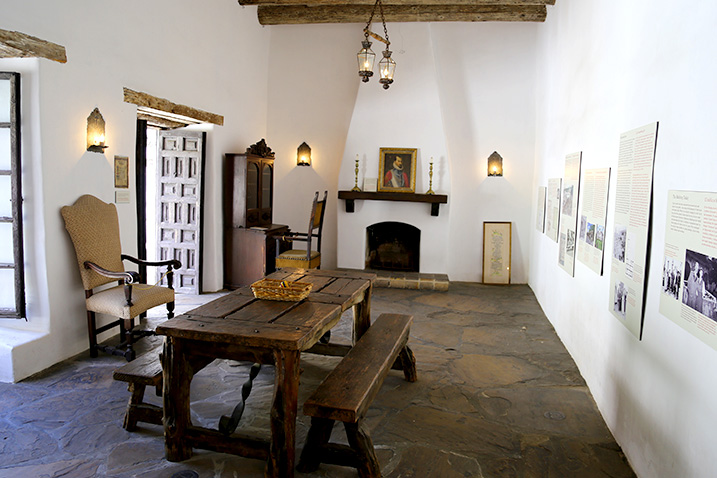
Day two in San Antonio included a tour of the remnants of the Presidio San Antonio de Béjar, traditionally known as the Spanish Governor’s Palace


Wesley Strackbein tells the inspiring story of Moses and Stephen Austin


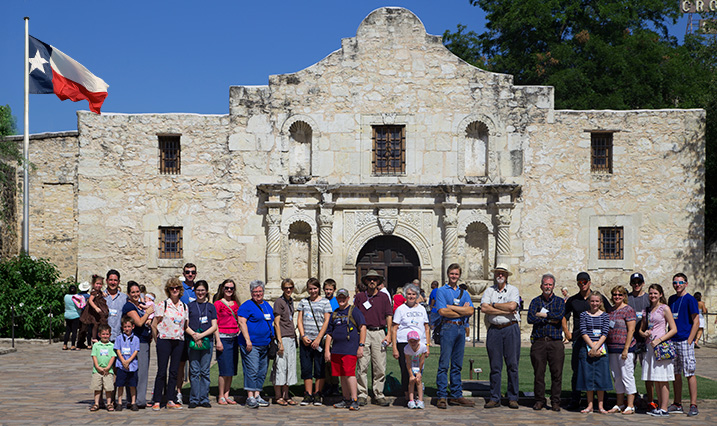
The brave members of our San Antonio leg remember the Alamo


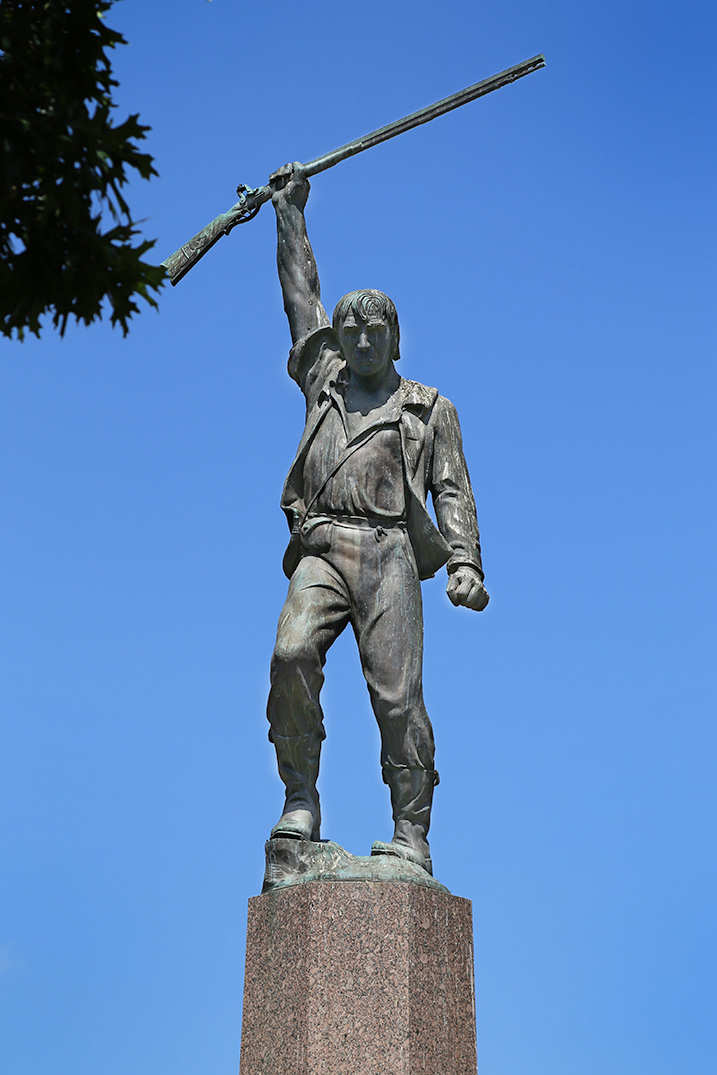
Ben Milam, the Forgotten Hero of the Texas Revolution


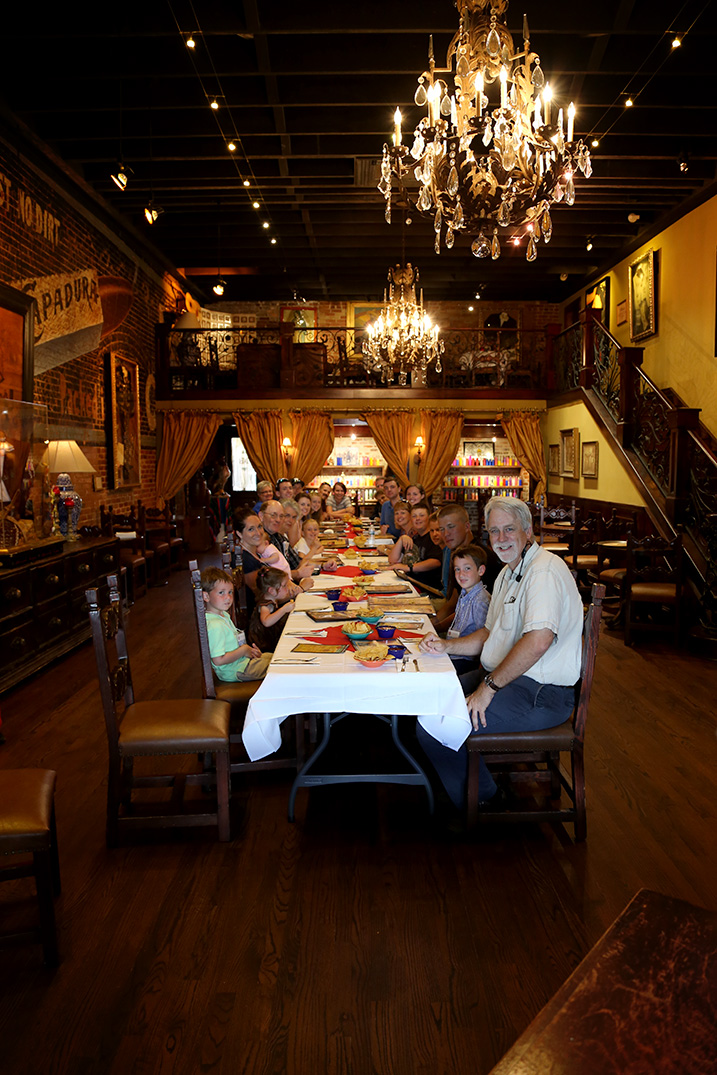
Lunch at San Antonio landmark Mi Tierra was a special treat!


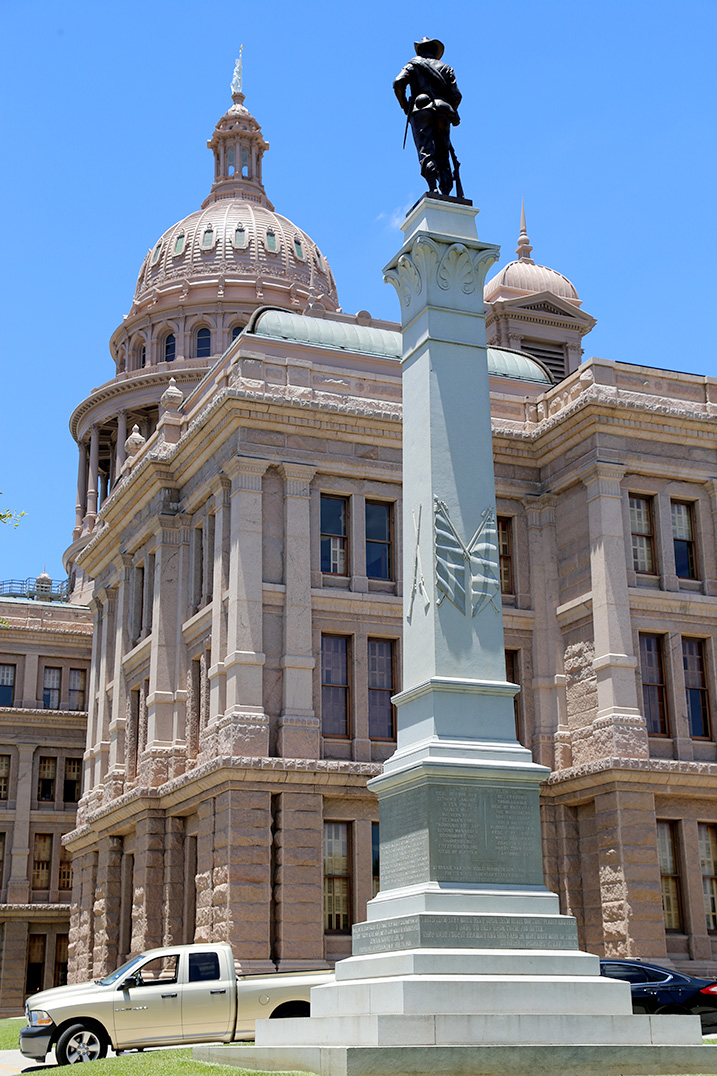
General Hood Monument on the grounds of the beautiful Texas State Capitol


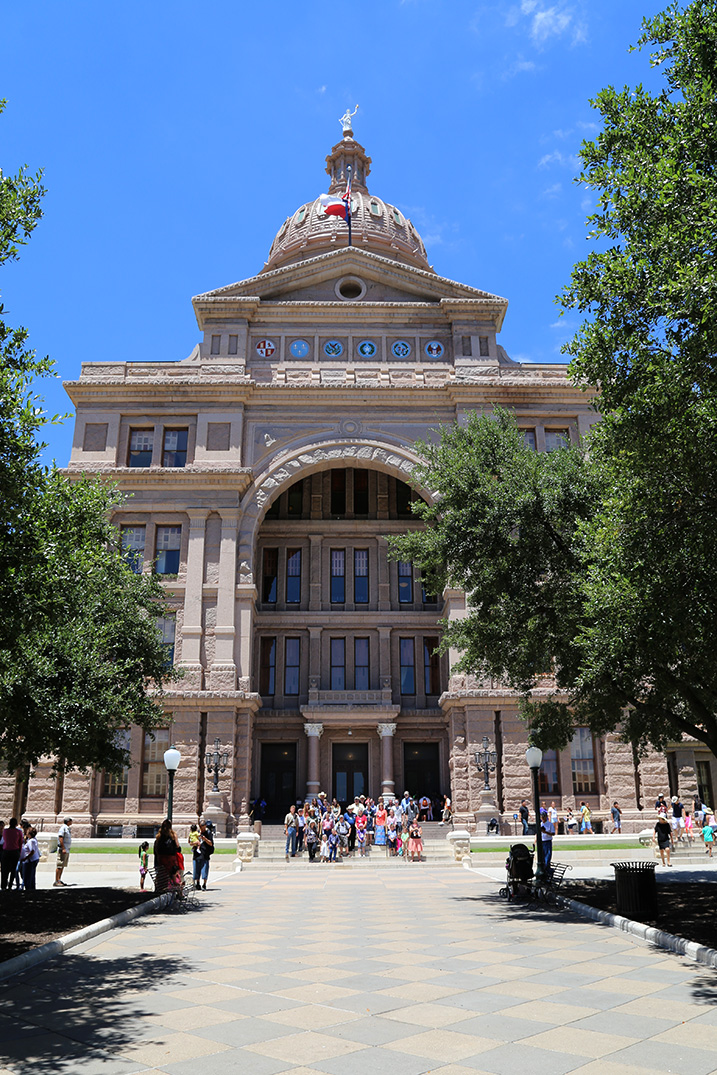
Day three in Austin included both a grounds tour and an interior tour of the Capitol.


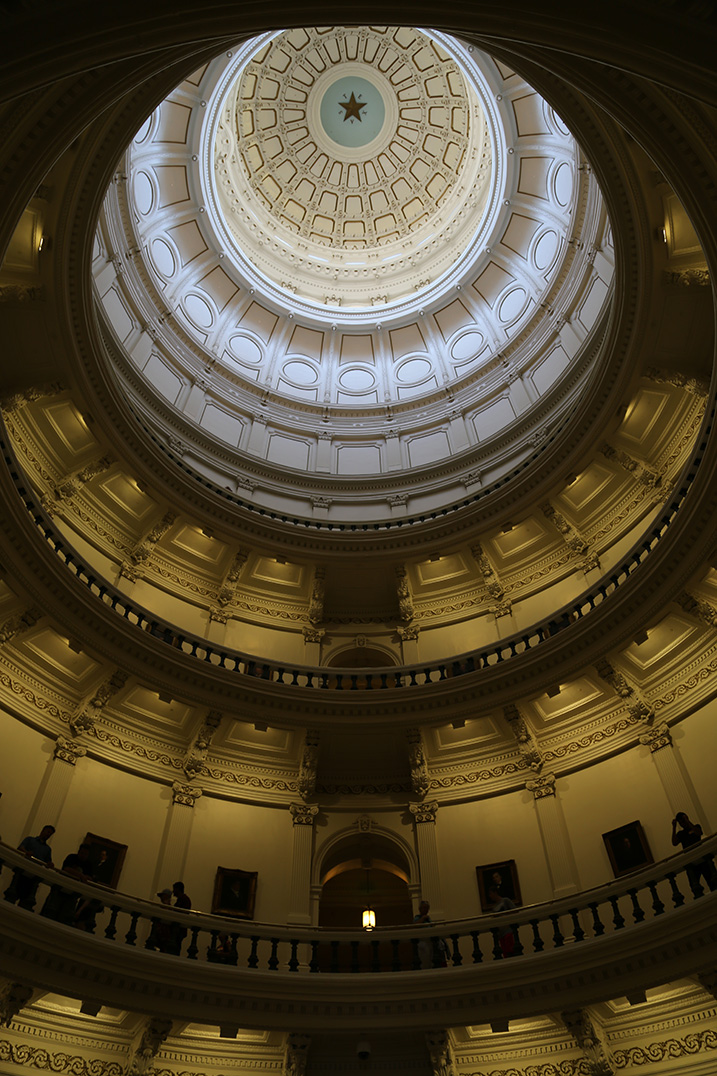
Everything’s bigger in Texas! The Statue of Liberty with her torch extended could easily fit under the dome in the rotunda.


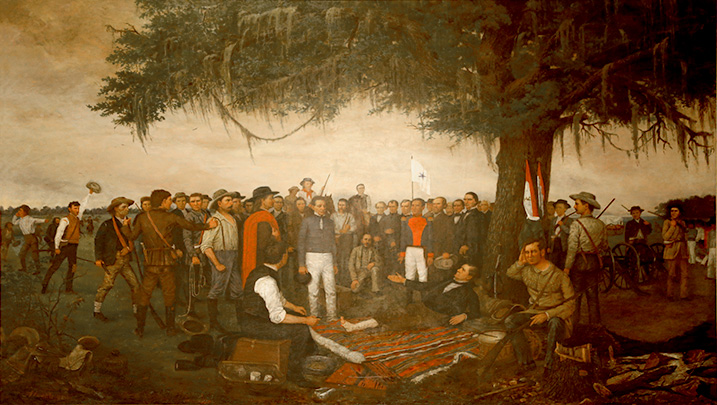
This painting of Santa Anna surrendering to Sam Houston at San Jacinto adorns the wall of the Capitol.

Atlanta Tour Recap

2017-08-07T17:16:00-05:00April 23, 2015|Tour Recaps|


Scholar and historian Bill Potter speaks to a sold-out crowd at Kennesaw Mountain on our Atlanta Tour.

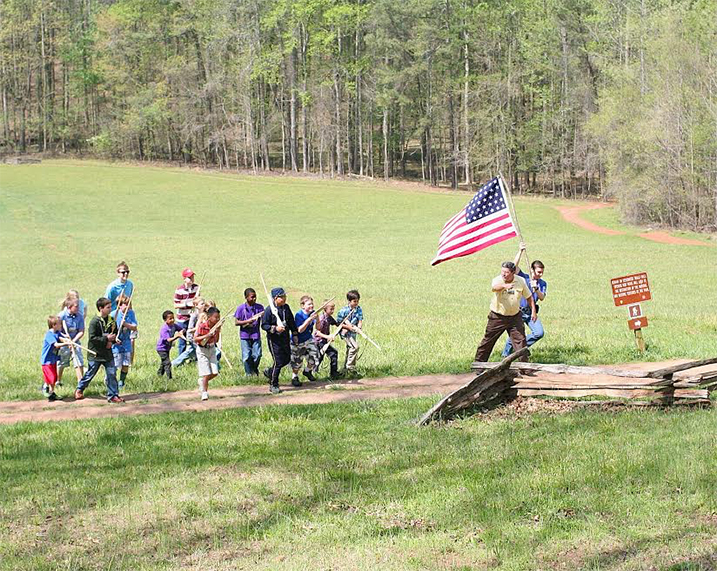
Landmark Events and friends at Kennesaw Mountain, location of a series of battles near Marietta, Georgia where General Sherman faced General Joseph E. Johnston.

What a great bunch of folks! Thanks to all our supporters that often come from great distances to join us doing what we love—learning history and observing His hand in the orchestration of events!

The Union advance at the dead angle on Cheatham’s Hill. Recreating the legendary attempt that would earn its rightful place in the the annals of sacrifice during the Civil War.

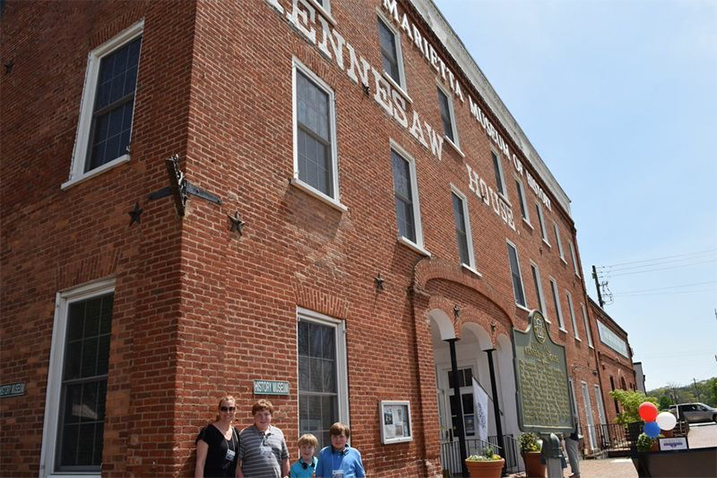
The Marietta Museum of History, also called the Kennesaw House, was built in 1845, making it one of Marietta’s oldest buildings and one of the few General Sherman left standing.

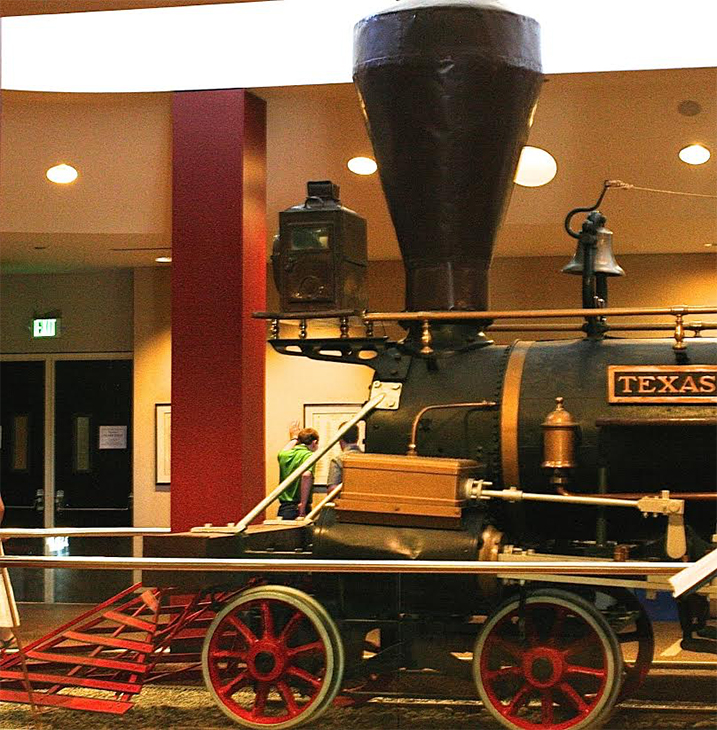
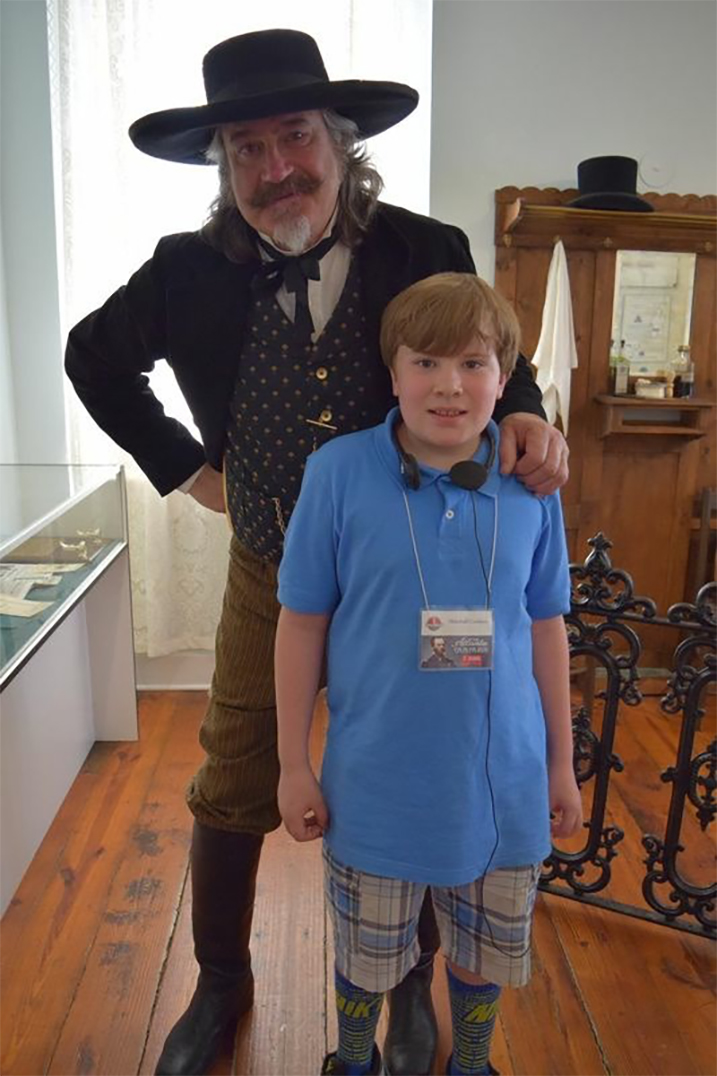
The Union soldiers of the Andrew’s Raid, including their civilian leader, James Andrews, slept in this building which was a hotel during the Civil War. On the morning of April 11, 1862, they boarded and soon after hijacked a Confederate train, thus starting the Great Locomotive Chase. This bedroom has been refurbished to resemble it as it was during Andrew’s stay.

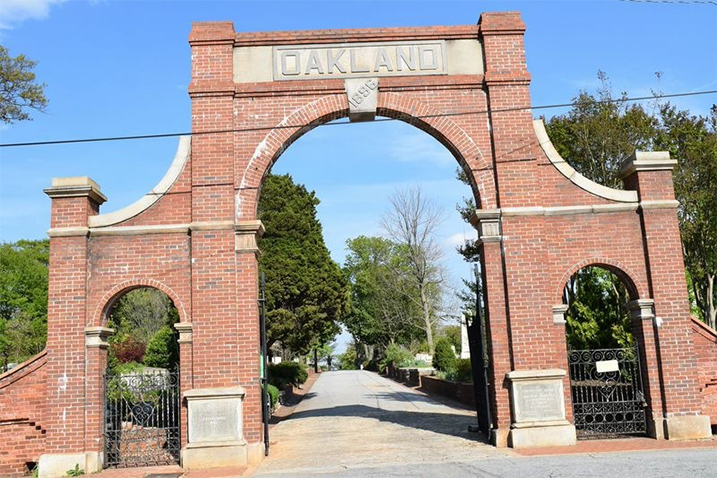
Oakland Cemetery, founded 1850, is one of the oldest spots in Atlanta, having escaped William Tecumseh Sherman’s burning of the city in 1864.


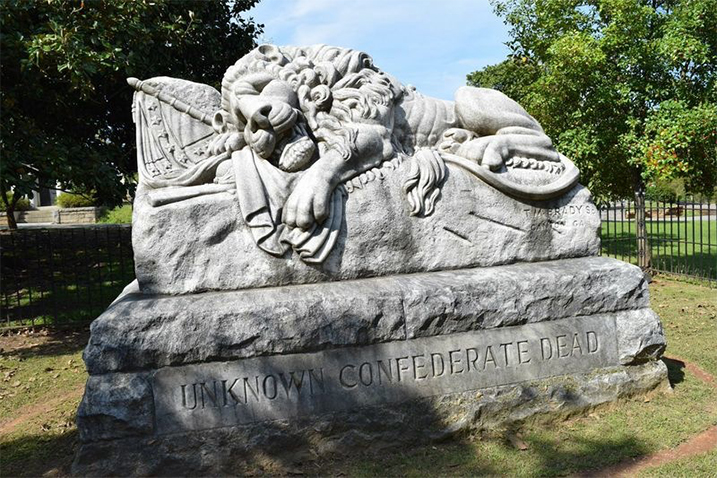
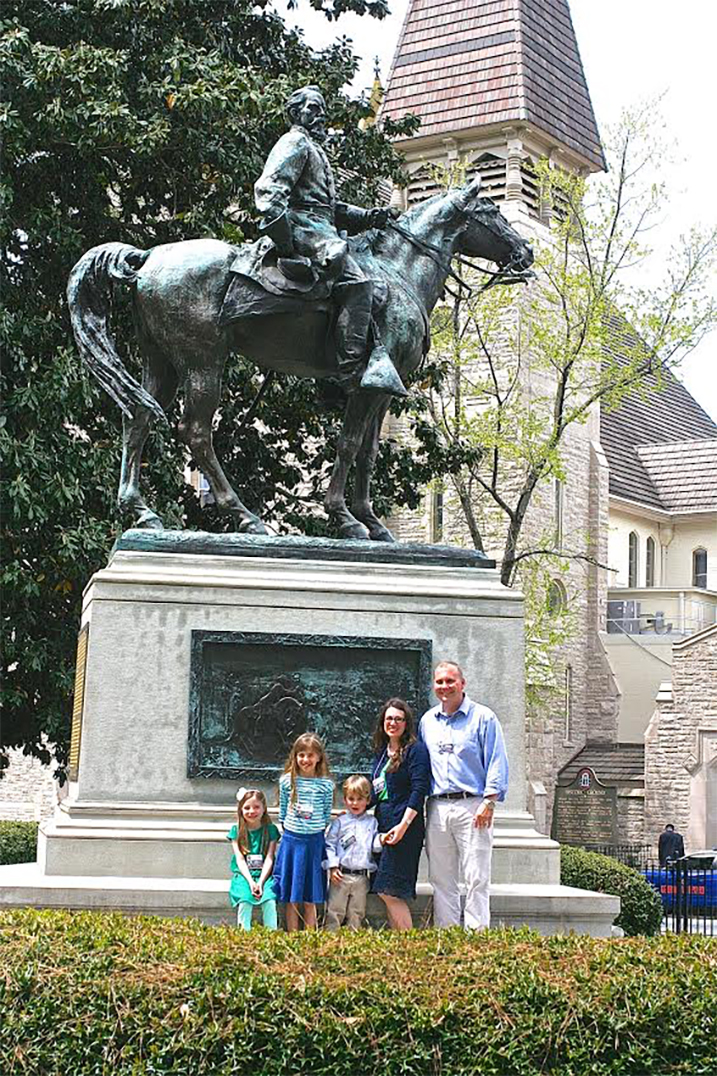
The Lion of the Confederacy.

The Confederate section of Oakland Cemetery is home to an estimated 6,900 burials, of which about 3,000 are unknown. Atlanta was a major transportation and medical center for the southern states during the war and many of the prominent hospitals were very near Oakland Cemetery, resulting in many being buried there. It is also the last resting place of notables such as wartime General and later Governor John B. Gorden, six other Georgia Governors, famous author of Gone with the Wind, Margaret Mitchell, Confederate Generals Lucius J. Gartrell, Clement A. Evans, and William Wright.

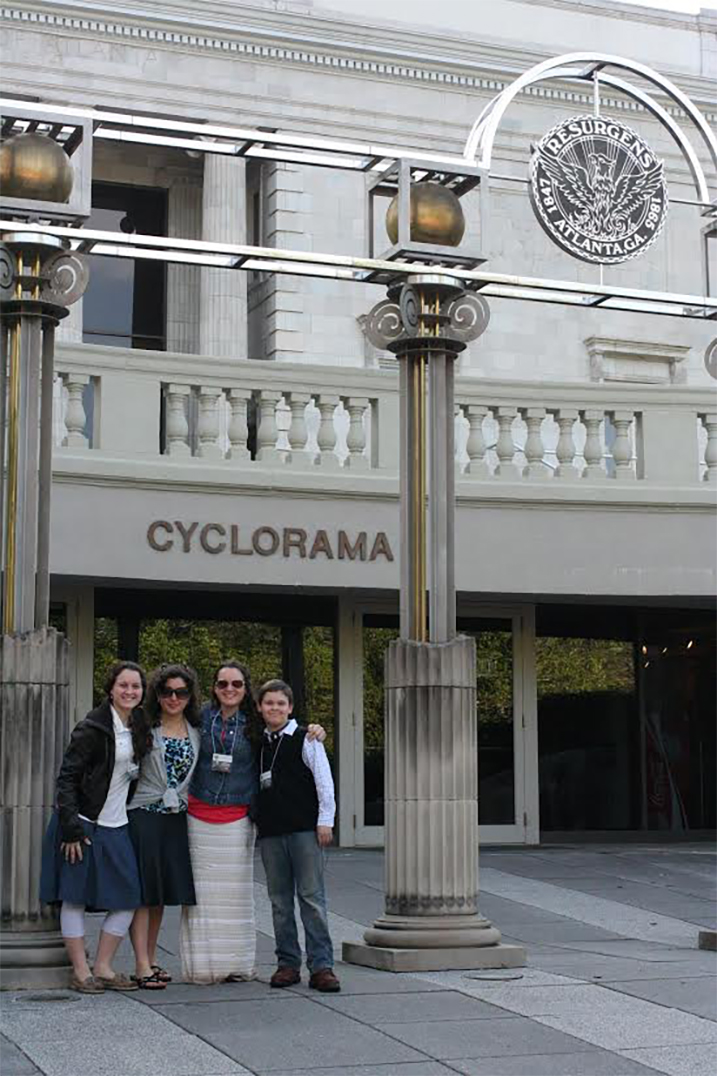
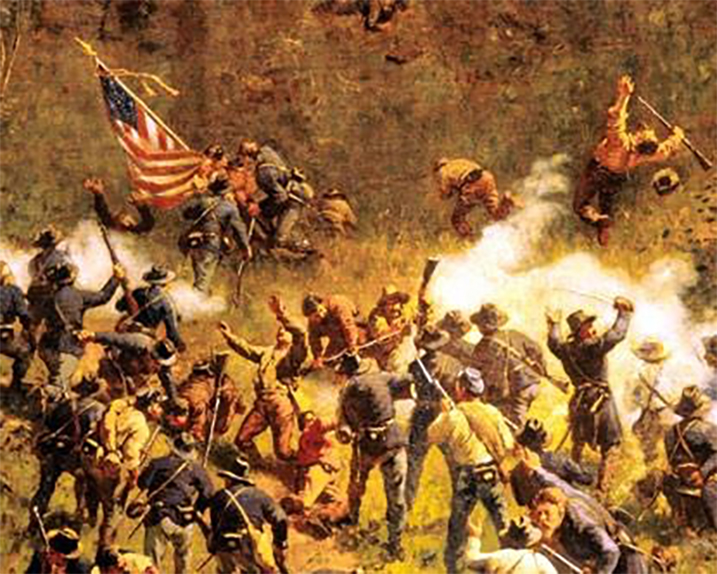
The Cyclorama building holds the worlds largest painting which depicts the Battle of Atlanta. The painting was completed in 1886 and has been housed in this building since the early 1900’s. It will soon be relocated to a new site and will be unavailable for viewing for over two years.


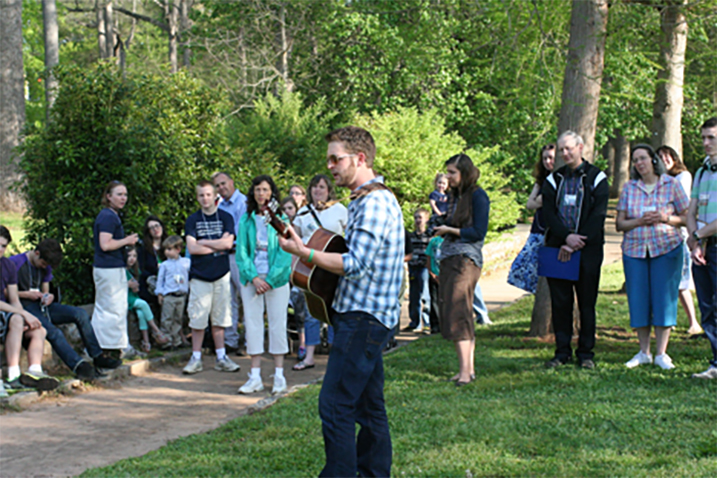
Adding a lively bit of Southern culture to history with Sam Turley’s version of “Dixie”, outside Atlanta’s Cyclorama.


A very small portion of the Atlanta Cyclorama beautifully depicting the Battle of Atlanta.

The Texas—a locomotive involved in the Great Locomotive Chase during the Civil War—is on display in all its glory at the Cyclorama Building in Atlanta. What a story!

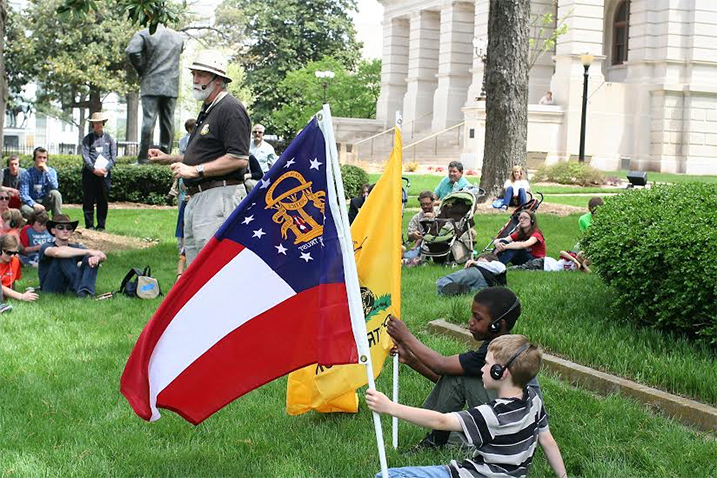
In front of the Georgia capitol building beside the statue of General John B. Gordon, war hero at Antietam, shot five times only to survive and go on to replace General Jackson as commander of the Stonewall Brigade and fight at Gettysburg and elsewhere. He took part in General Lee’s surrender at Appomattox Courthouse. Gordon was elected to the Senate in 1873 and became Governor in 1886.

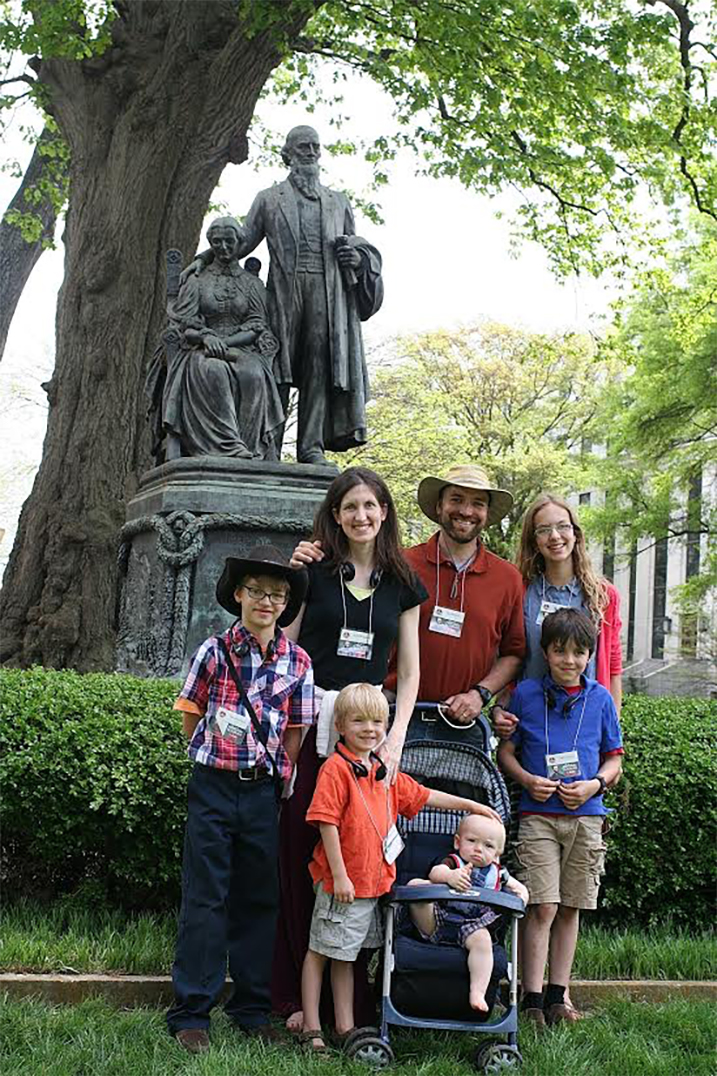
Wartime Georgia governor, Joseph E. Brown, is portrayed with his wife at his side. The Georgia General Assembly said of her: “in every sense a fit mate for her husband, of modest demeanor, shunning public display, she was yet, a quiet force.”

Brown was a leading secessionist in 1861 and a firm believer in states rights. He later served as senator of Georgia. This beautiful statue stands on the magnolia-shaded grounds outside the Georgia capitol.


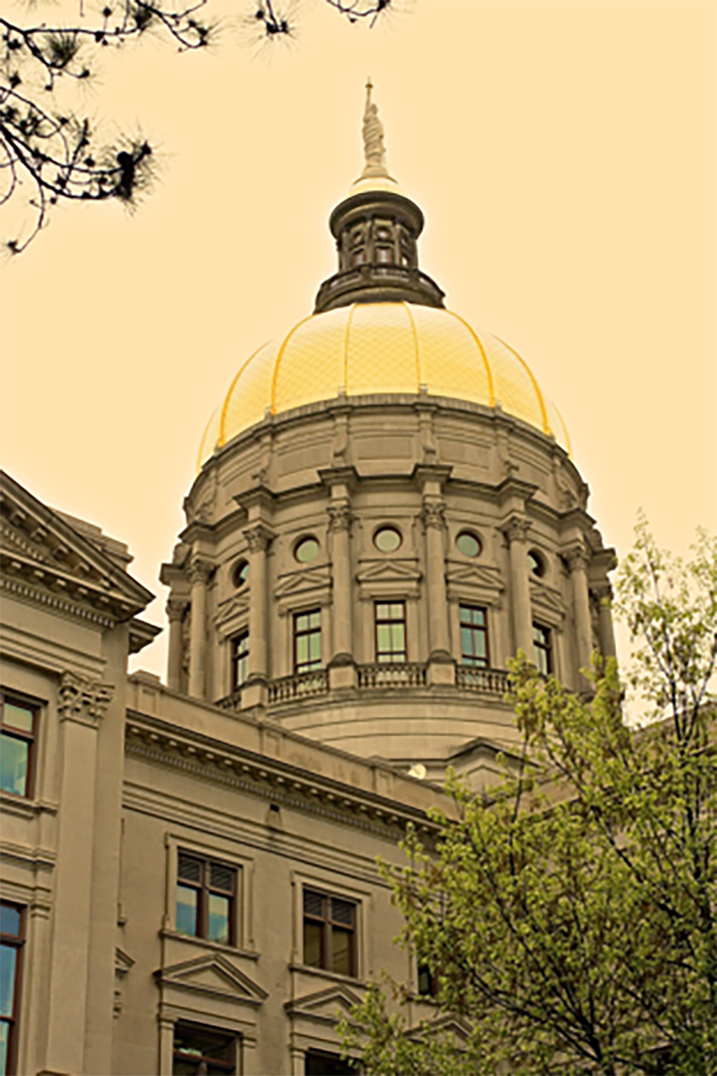
The beautiful Georgia State Capitol building, completed in 1889.

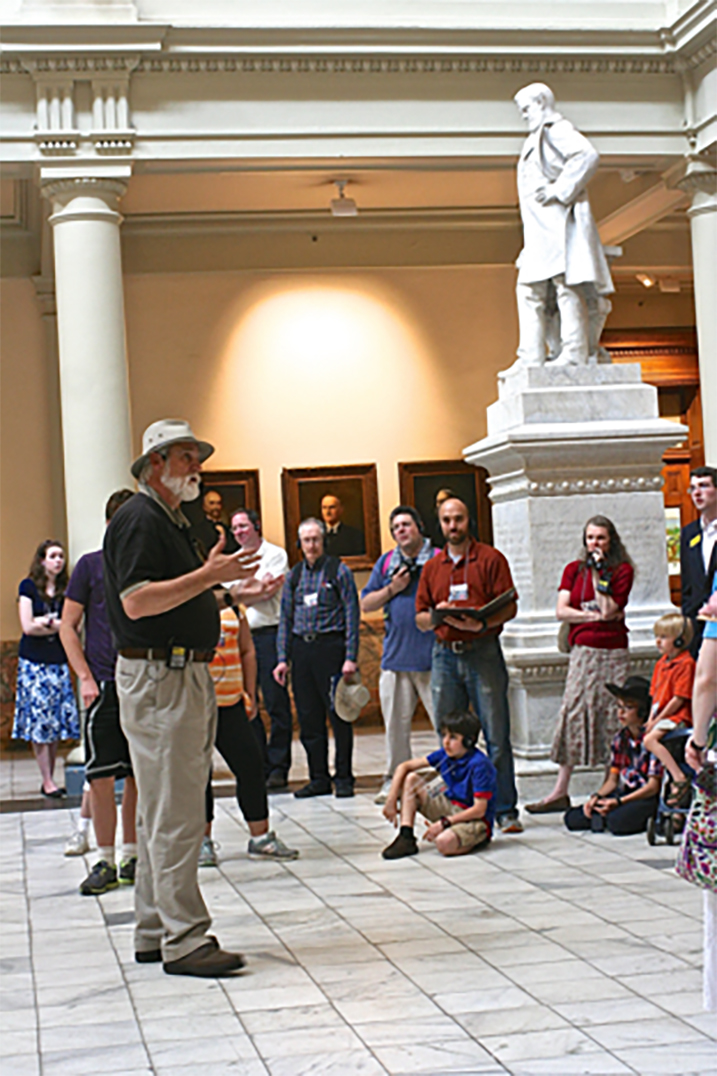
Mr. Potter gives brief and captivating sketches of the lives of some of Georgia’s most illustrious and infamous politicians, inside the beautiful state capitol building.

Go to Top