
Gold Discovered at Sutter’s Mill, 1848


Gold Discovered at Sutter’s Mill, January 24, 1848
 he disease began in California and spread eastward. It struck people in every state of the Union in 1848 and continued, gaining virulence, for several years. The population most susceptible to the malady tended to be men between the ages of 16 and 60. Quite a few died seeking a cure, which, when found, tended to cause an instant relapse. The sickness peaked in 1852 and eventually died down after several years, with many failures to find the cure. It exploded again with new vigor in the Klondike region of Western Canada from 1893-96; more than a hundred thousand, mostly men, were again infected. As previously occurred in California, a number of the afflicted wore masks, so they wouldn’t be identified when they relieved other people of the sickness. The disease became known as “gold fever.”
Johann Augustus Suter of Baden, Germany, a soldier in the Swiss army, fled to California in 1839, leaving his family behind, and escaping his creditors in Switzerland. He convinced the Mexican overlords of the region to grant him lands at the junction of the American and Sacramento Rivers, where he built a fort and lavishly entertained, supplied, and employed trappers, traders, and immigrants. He hired one James W. Marshall to build a sawmill on the American River in 1848 just before the end of the War with Mexico, which officially brought California into American possession. On January 24, Marshall found flecks of gold in the millrace. Suter, now known as John Sutter, tried to keep the find quiet.
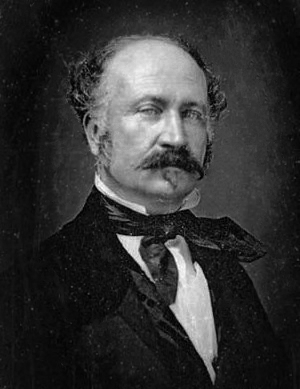
Johann Augustus Sutter (1803-1880)
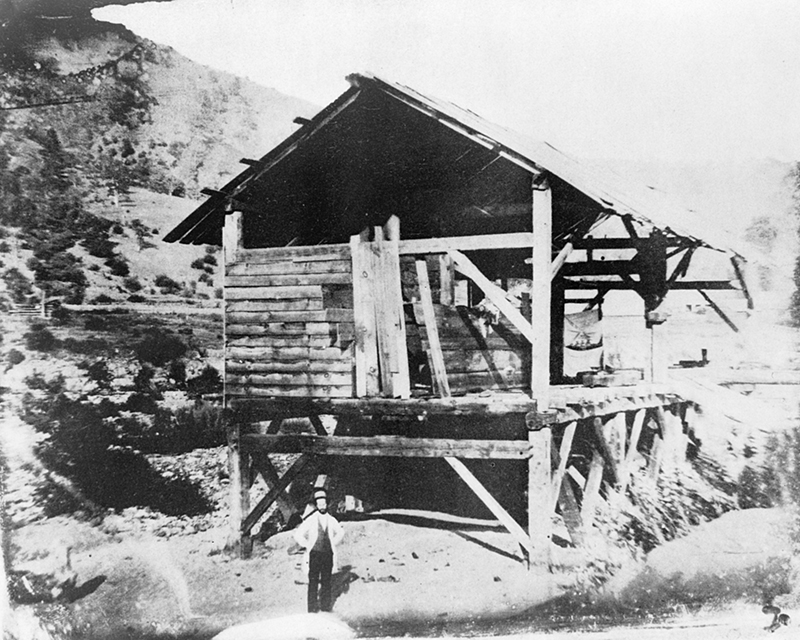
Sutter’s Mill in 1850
Rumors of the find leaked out and in March, a San Francisco newspaper publisher and businessman, Samuel Brannan trumpeted the discovery of gold at Sutter’s Mill, and announced his mining supplies store open for business! By August, The New York Herald headlined the discovery of gold fields in California and the gold fever took hold of the United States. Even President James Polk announced to Congress the discovery of gold in California—the War with Mexico not only expanded United States territory, but now promised wealth beyond all that had been previously imagined.
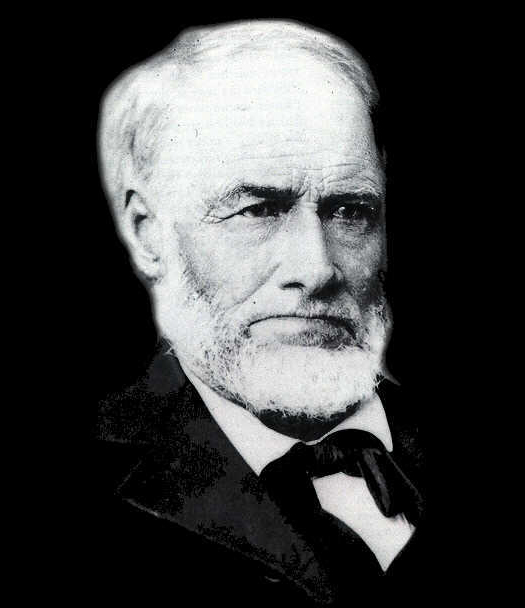
Hired by Sutter to construct a sawmill, James W. Marshall (1810-1885) found flecks of gold
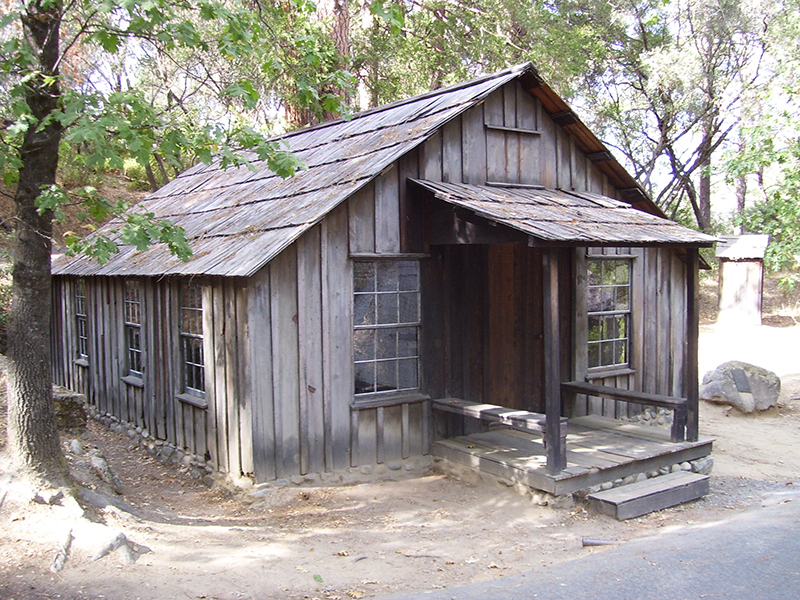
James Marshall’s Cabin in Coloma, California, near Sutter’s Mill
Sutter’s workers abandoned him—squatters consumed all his crops and stole all his cattle, utterly ruining his businesses and life. Thousands upon thousands of people were possessed by gold fever and lit out searching for the “mother lode” in California. In two years, San Francisco went from 1,000 full-time inhabitants to 25,000. For most of the “Forty-niners” of the gold rush, travel by sea offered the safest and fastest way to get there, but took four to five months sailing around the southern tip of South America and up the West Coast. Some travelers docked in Mexico or Panama and trekked across to the Pacific Ocean and then caught steamers north. Shipwreck, cholera, typhoid fever, yellow fever, and accidents plagued all the routes to California. Many lonely graves were scattered across South America or lay at the bottom of the oceans.
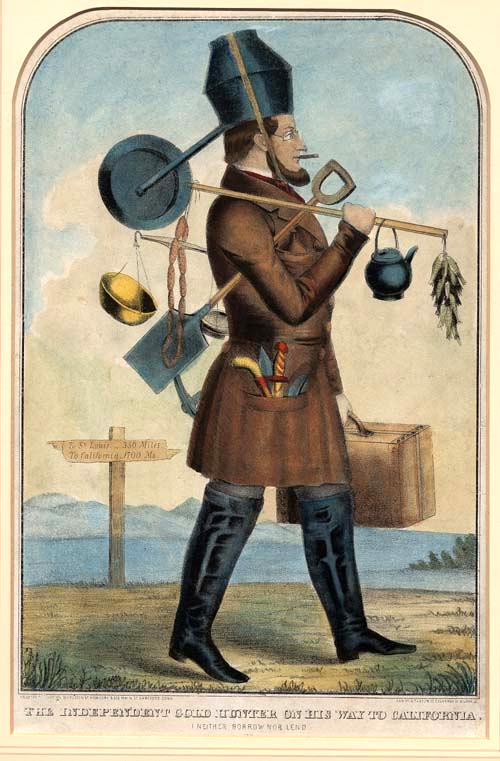
A satirical cartoon c. 1850 that reads “The independent gold hunter on his way to California”
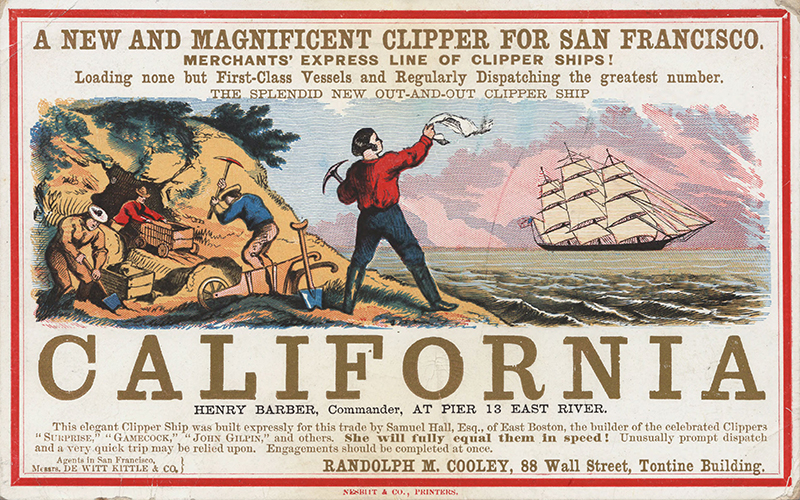
Advertisement offering transport to gold-seekers, c. 1850
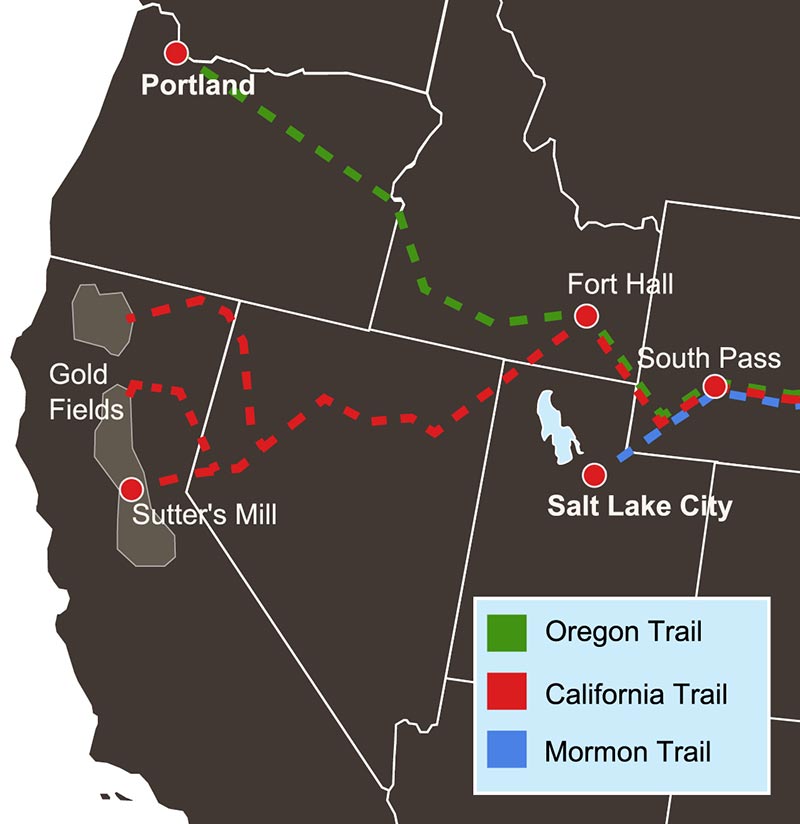
Travel companies offered tickets across the United States along the “California Trail,” the “Oregon Trail,” and other wagon routes opening up to accommodate the gold fever-ridden adventurers and greed-besotted gold bugs. People came from around the world to pan for gold. People came from Hawaii (Sandwich Islands), Peru, Chile, Mexico, Europe, the Philippines, Australia, Turkey, and China. The California legislature responded with tax laws designed to strip the profits from successful miners, especially foreigners. The native Americans were shoved out of the way and retaliation met with massacre. Traders made fortunes selling mining equipment, food, transportation, and “entertainments.” Several smaller gold fields were opened up in the Sierra Nevadas and elsewhere, spurring more immigration and its attending vices. Multitudes were driven to poverty and early graves.
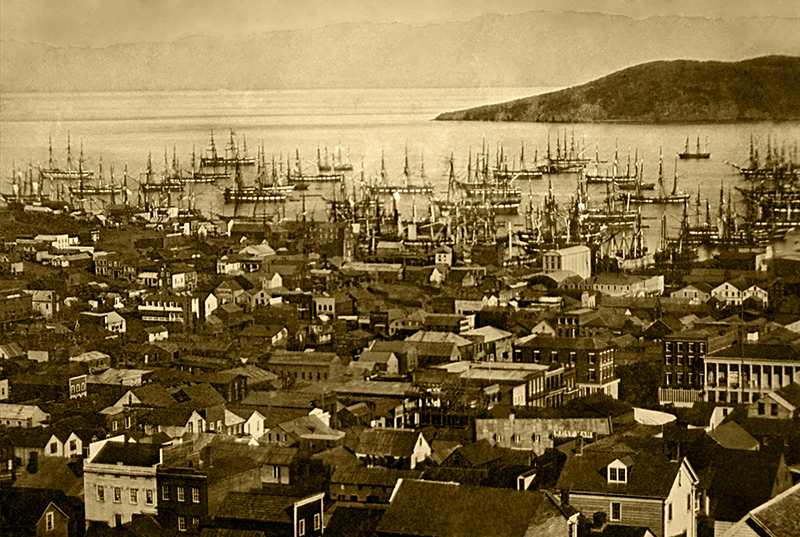
San Francisco Harbor is filled with merchant ships, c. 1850-51
About 90,000 gold-seekers arrived in 1849, 60,000 of them Americans. By 1855, more than 300,000 settlers had arrived. Probably less than half the seekers found gold and made a modest profit. A few struck it rich. Thousands died in the basically lawless mining towns and on the prairies. Merchants like Brannan became the most prosperous of the lot, many parlaying their wealth into political power. California became a state in 1850 because of the populations surge. Economies around the world profited. Native Americans probably suffered the most—records indicate that fifty Indians a day were slaughtered in some areas where the miners settled on native lands. Almost overnight, California had become “The Golden State,” and has never looked back.
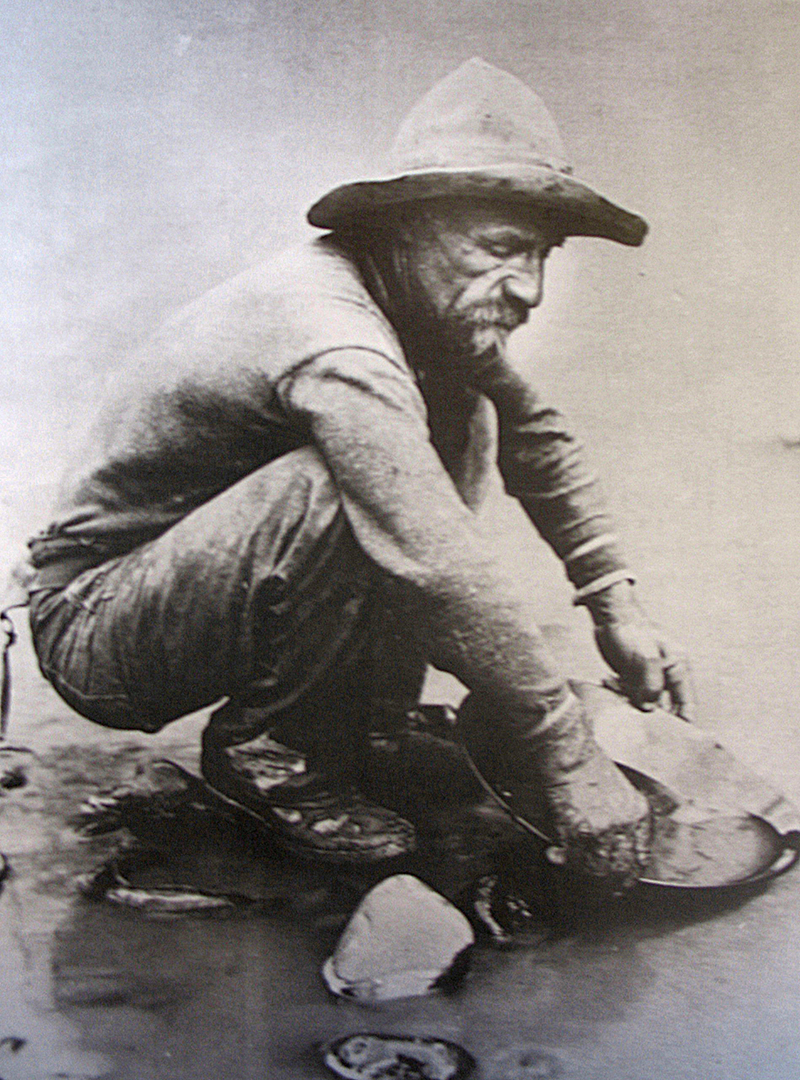
A “forty-niner” pans for gold in the American River, c. 1850
Image Credits: 1 Johann Augustus Sutter (Wikipedia.org) 2 Sutter’s Mill (Wikipedia.org) 3 James Marshall (Wikipedia.org) 4 James Marshall’s Cabin (Wikipedia.org) 5 Gold Hunter Illustration (Wikipedia.org) 6 Clipper Advertisement (Wikipedia.org) 7 California and Oregon Trails (Wikipedia.org) 8 San Francisco Harbor (Wikipedia.org) 9 Forty-niner (Wikipedia.org)
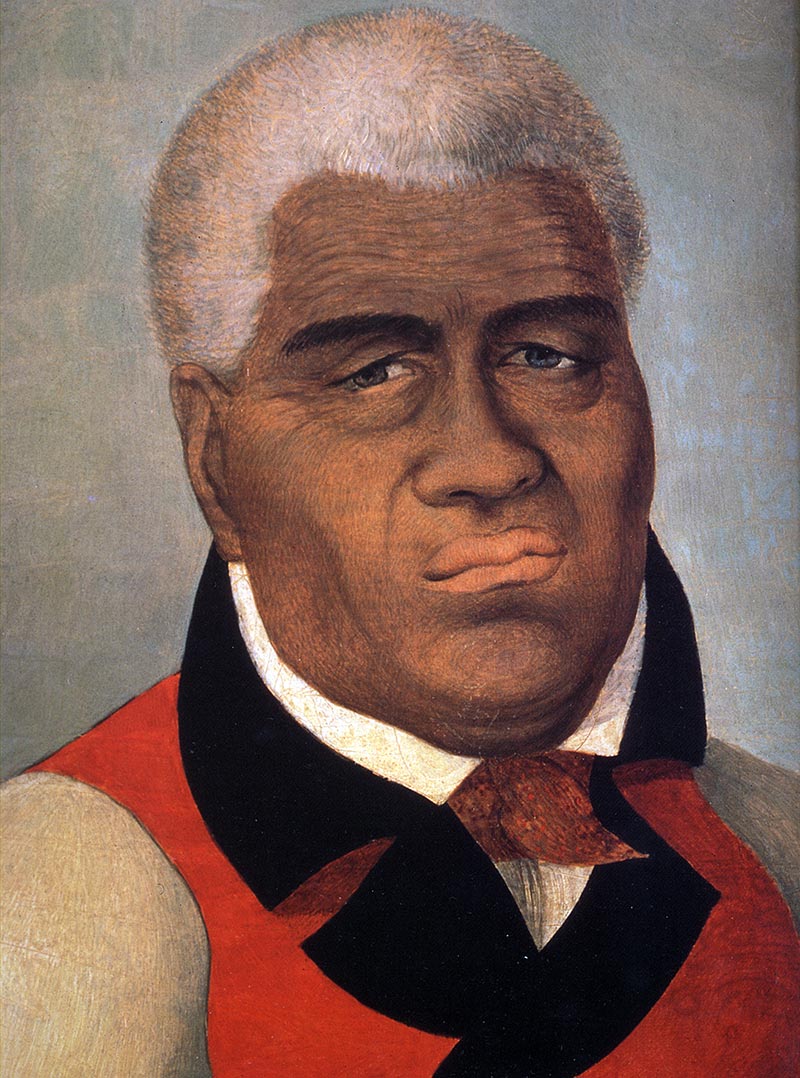
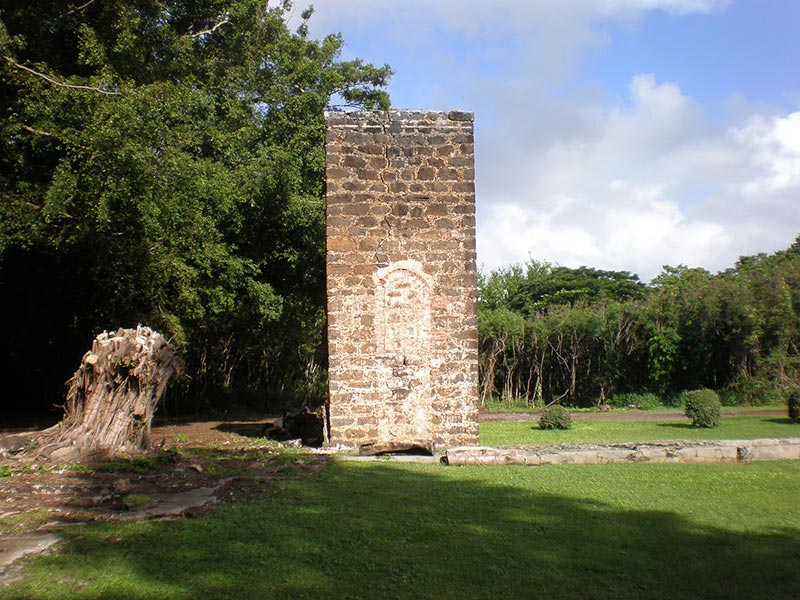
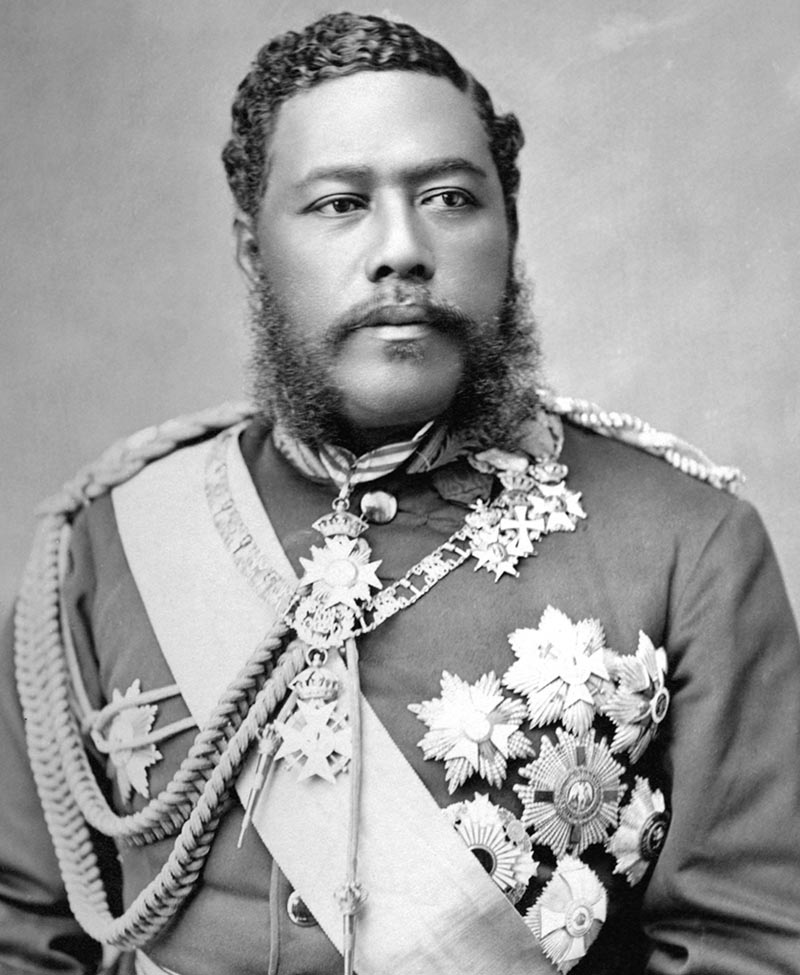
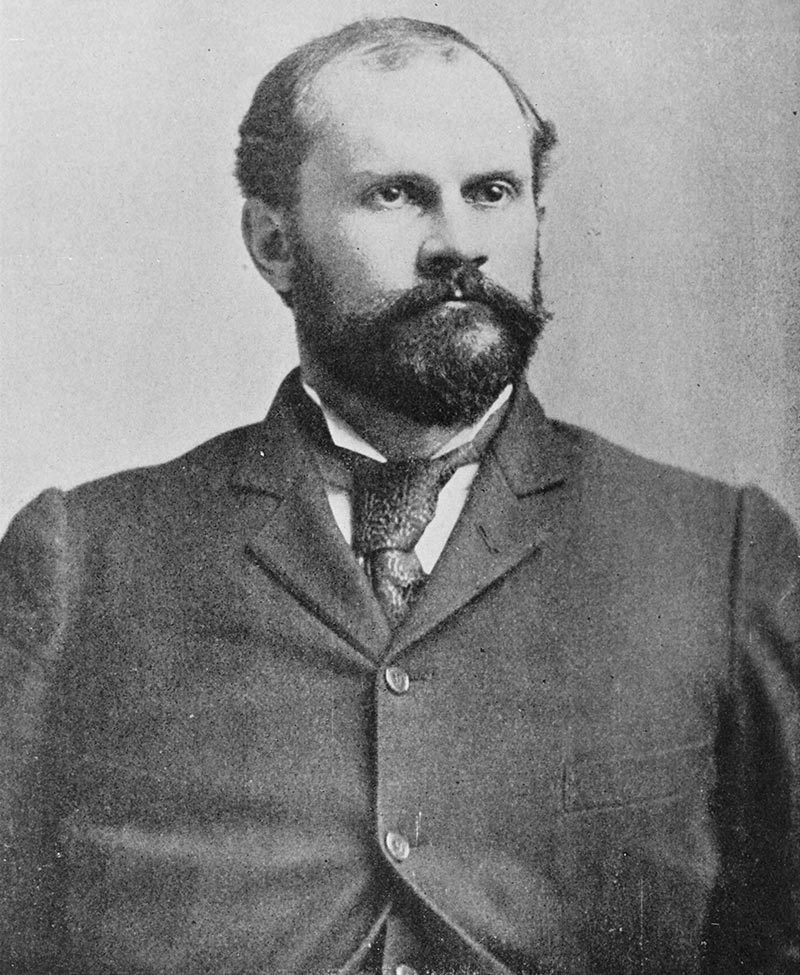
 ritish Captain James Cook is generally recognized as the first European to lay eyes on the islands he named after his patron, the Earl of Sandwich, in 1778. In time, the local name of the largest island, Hawai’i, gave its name to the eight isles that make up the modern American state of Hawaii. In common with Texas, it was the only other state that was an independent nation prior to statehood. Like Texas, it was a Christian nation. But unlike the Lone Star State, the Christian Queen of Hawaii was overthrown in a coup by American businessmen in collusion with the American government backed by United States Marines, in 1893. Although President Grover Cleveland determined that the coup was illegal, and tried to reinstate the Queen, the fait accompli prevailed, and the island kingdom became a protectorate of the United States, and in sixty-seven years, a state.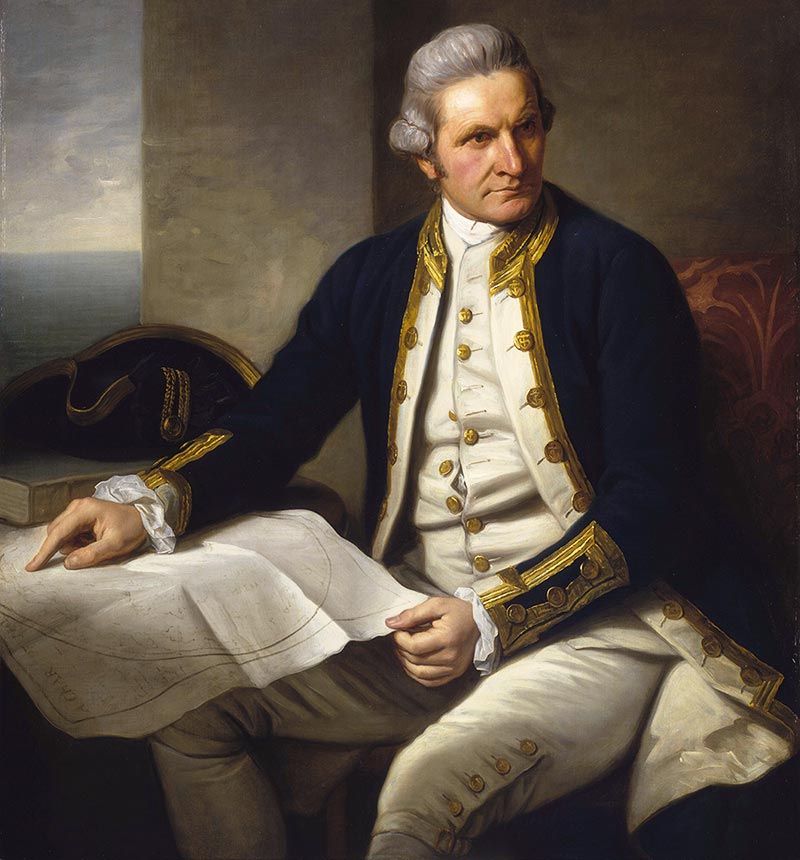
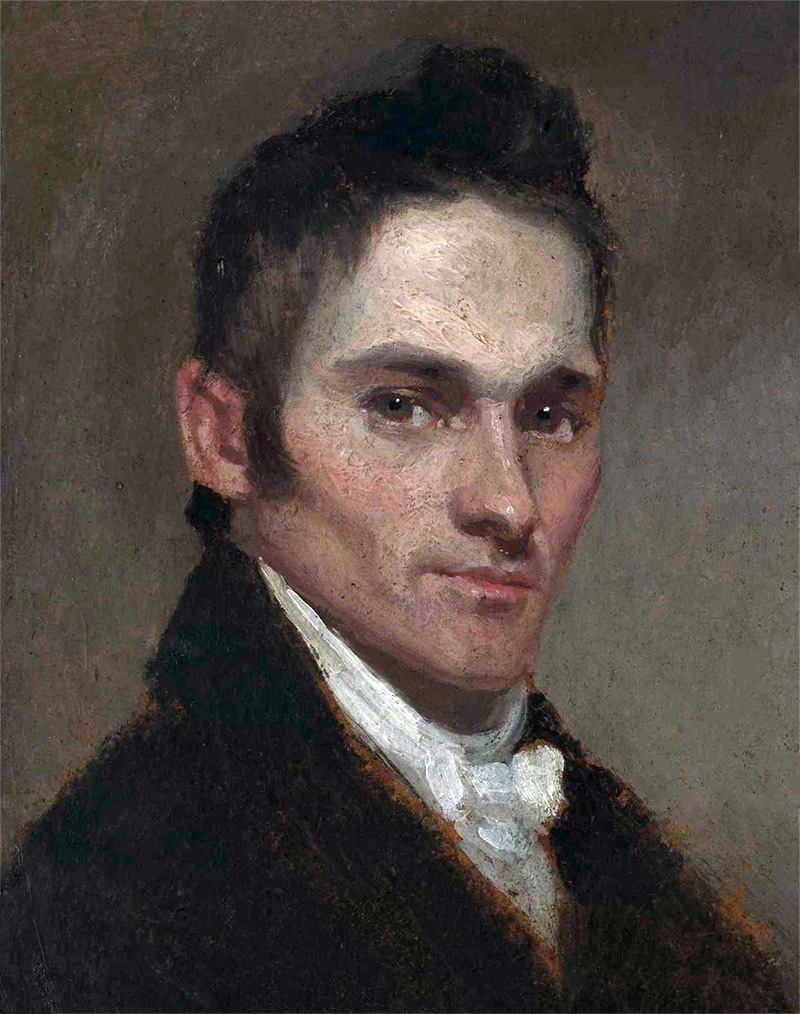
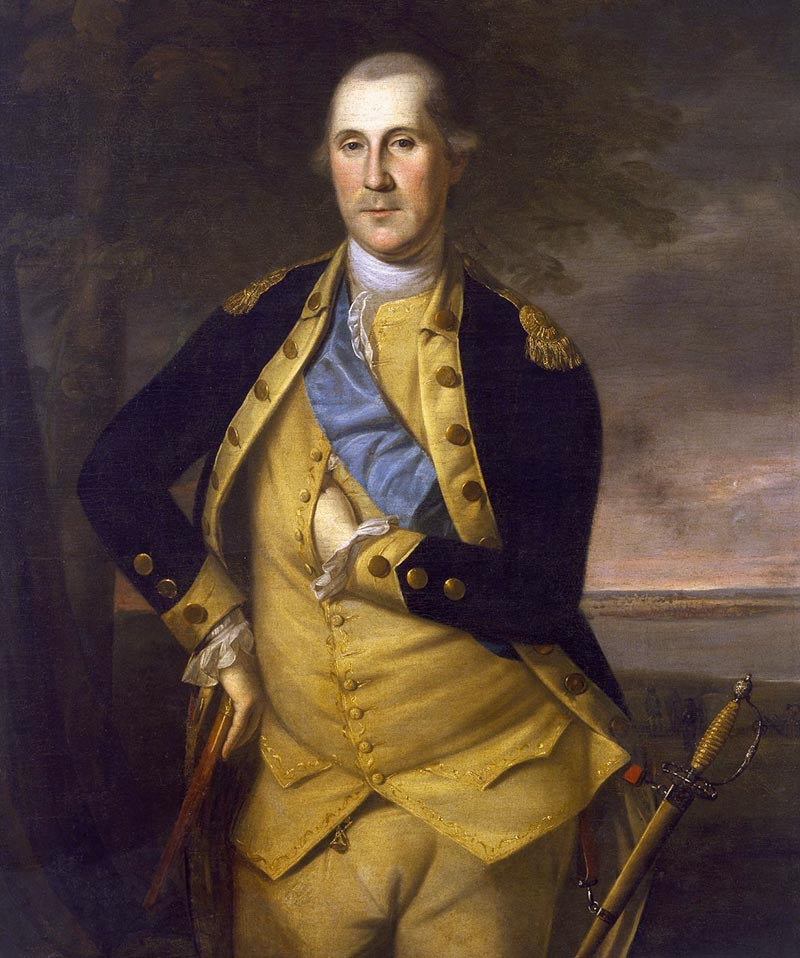
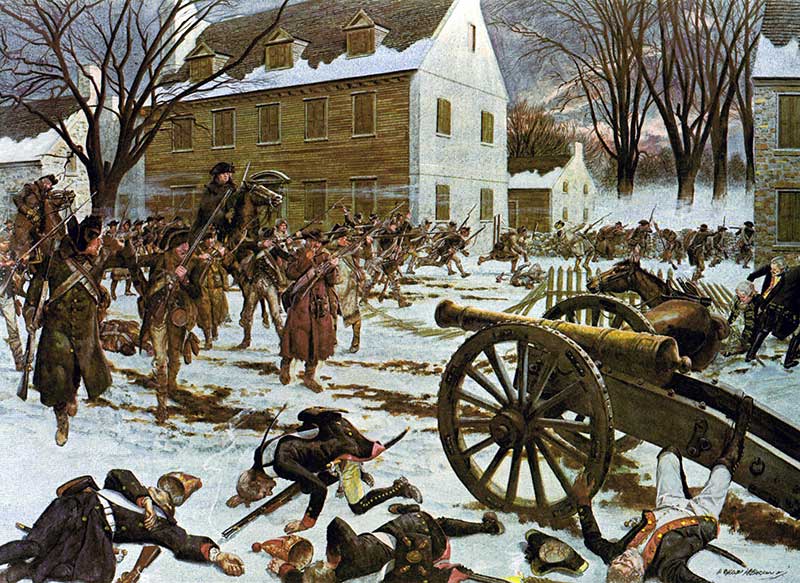
 ugh Mercer was born fighting. His military service ranged over two continents and three different armies, which reflect his devotion to his calling as a doctor and a soldier, and a temporary change of heart regarding his loyalties. George Washington considered Mercer one of the best soldiers in North America and instigated his promotion to Brigadier General in the American Army. Mercer was at the sharpest end in his final battle, commanding the 3rd Virginia Infantry of the Continental Line, helping Washington win the great victory at Princeton at one of the moments of great crisis in the War for Independence.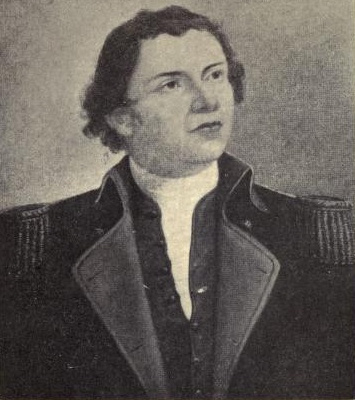

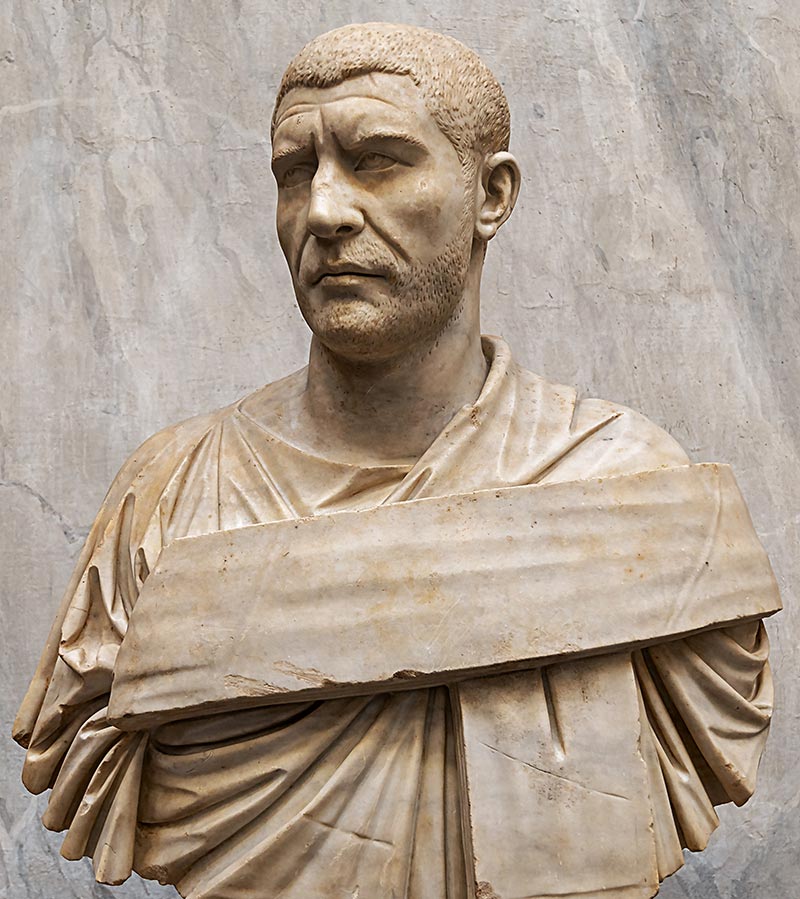
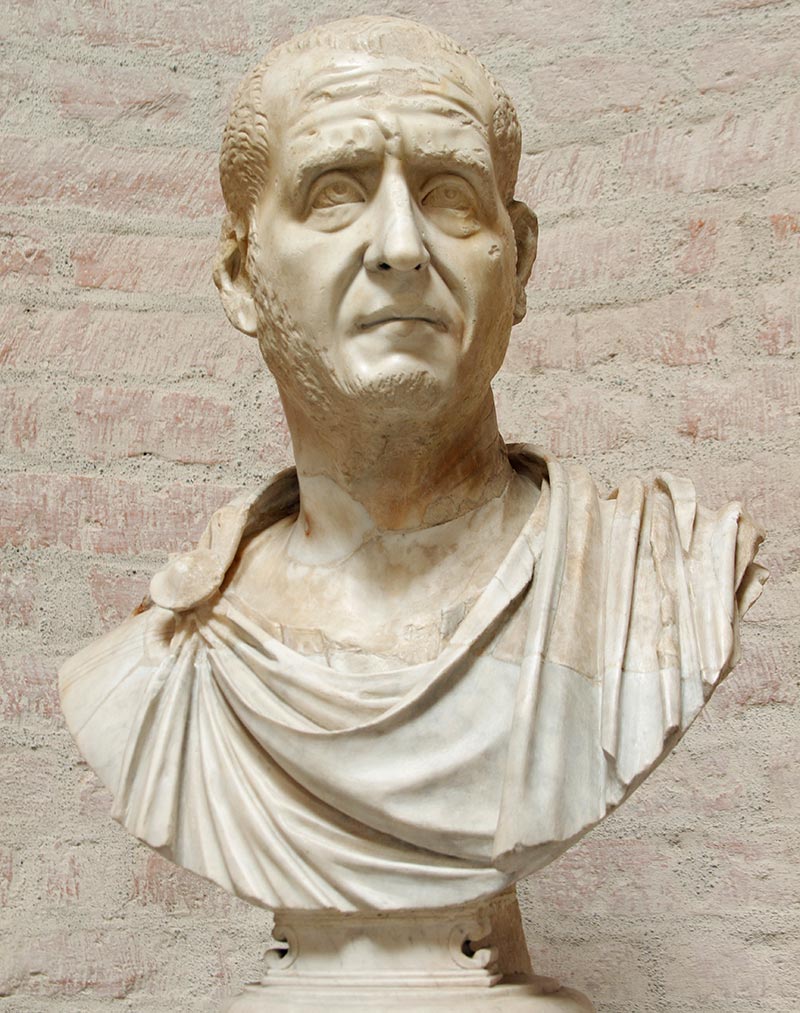
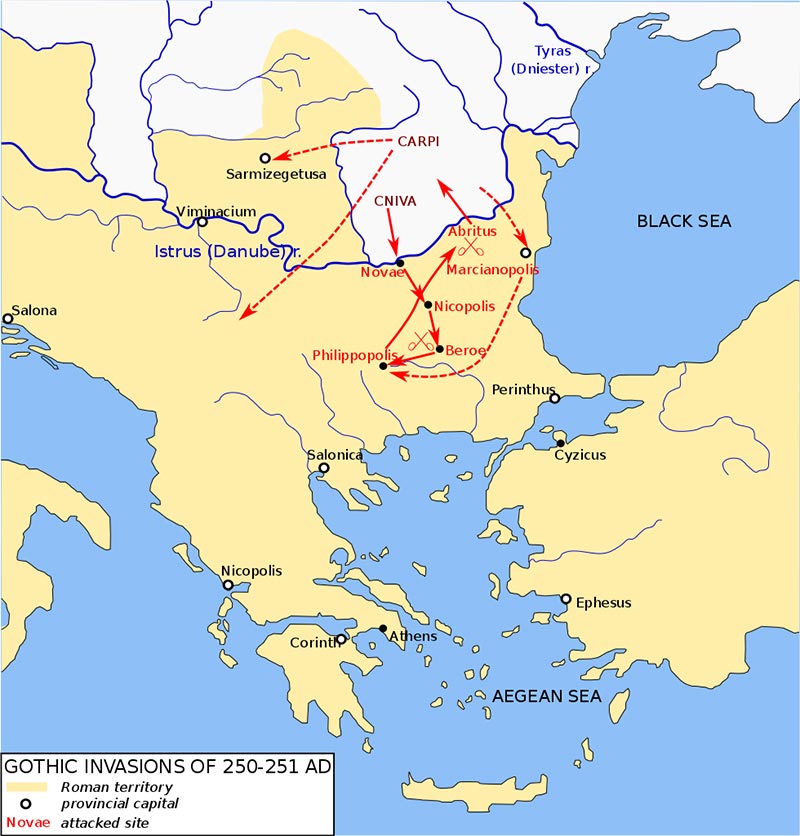
 n the middle of the third century Anno Domini, Decius, a former senator, consul, governor, and now general, from the province of Illyricum in the Roman Empire, an area today within the borders of Serbia, fought and defeated an army of Balkan rebels led by one Pacatianus. The army of Decius then proclaimed Decius Emperor of Rome in response to his successes on the field of battle. When the true emperor led an army against him, Decius defeated and killed him, popularly known as Phillip the Arab, at the Battle of Verona in September of AD 249. Probably to solidify his takeover, as well as perhaps a jealousy of the increase of Christians, Decius decreed to all provincial governors that everyone in the Empire make sacrifices and burn incense to the gods of Rome, as an act of obedience, piety and worship. Christians were split on the issue of going along with the civil decree.