
Richard Allen Founds First African Methodist Episcopal Church, 1794

“Do nothing from selfish ambition or conceit, but in humility count others more significant than yourselves. Let each of you look not only to his own interests, but also to the interests of others. Have this mind among yourselves, which is yours in Christ Jesus.” —Philippians 2:3-5
Richard Allen Founds First African Methodist Episcopal Church, July 29, 1794
 ne of the side effects of the Protestant Reformation of the 16th Century has been the proliferation of denominational churches, many of whom hold a central core of doctrines in common, particularly about the person and work of Jesus Christ, but differ on the interpretation of Scripture regarding a few or many other particular beliefs. Some Christians view these differences as the great strength of Protestantism, others see them as evidence of abandoning the idea of the oneness of the Church and a sinful refusal to reconcile idiosyncrasies. For Richard Allen, worshipping God free of racial animus brought about the creation of the African Methodist Episcopal Church (AME).
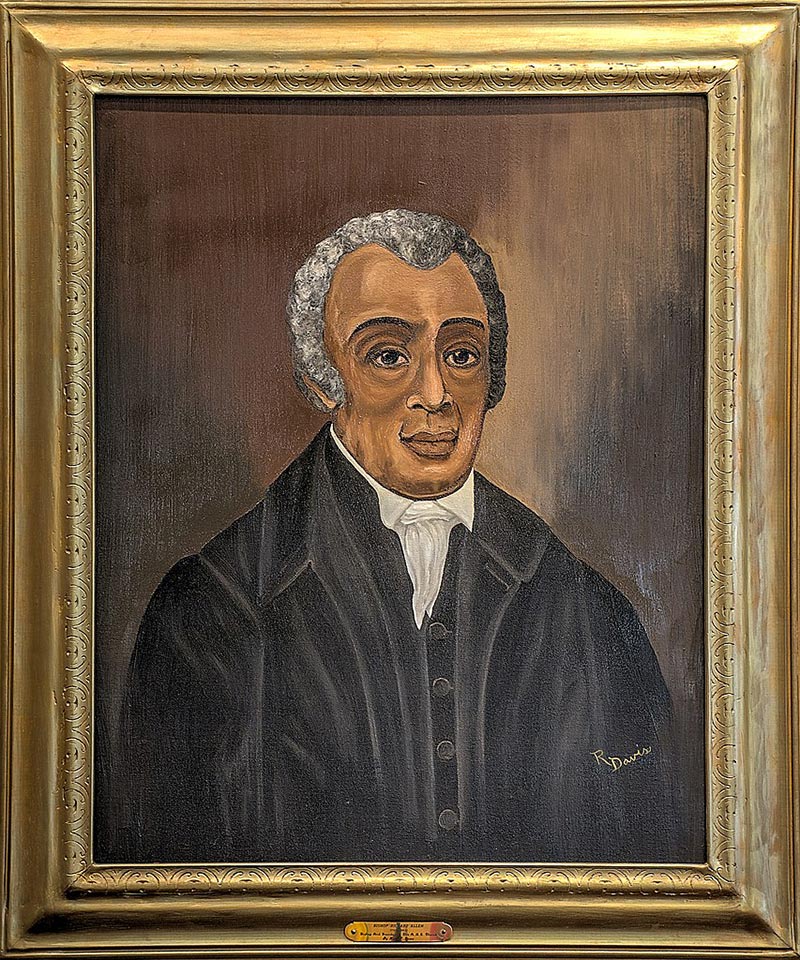
The Right Reverend Richard Allen (1760-1831)
In 18th Century America, slavery existed in all thirteen British colonies. With the winning of independence from England, some of the New England states abolished “the peculiar institution,” beginning with Massachusetts in 1783. Slavery remained legal in Delaware until the 13th Amendment to the Constitution in 1865, not officially confirming their compliance until 1901. Richard and his family, parents and siblings, were owned by one Stokely Sturgis on his Delaware plantation. Richard’s mother and two of his siblings were sold off, but Richard remained in bondage to the same family. He and an older brother and sister were permitted to attend the local Methodist Society meetings where, Richard later recorded, “I was brought to see myself poor wretched and undone. Shortly after, I obtained mercy through the blood of Christ.” After joining the Society at the age of 17, Richard learned to read and write and, recognizing a gift for preaching, began to evangelize all who would listen.
Richard’s earthly master, not a professing Christian, was convinced by the Rev. Freeborn Garrettson—a minister who had freed his own slaves—to at least give opportunity for his laborers to purchase their freedom. Through the kind providence of God, Richard saved enough to purchase his own freedom from bondage, and added the surname of Allen. In 1786, the founding church of Methodism in the United States—St. George’s Methodist Church in Philadelphia—allowed George to join the staff and conduct 5:00am Sunday morning services. As might be expected, the people of the free black community of the city came to hear the powerful preaching of the former slave.
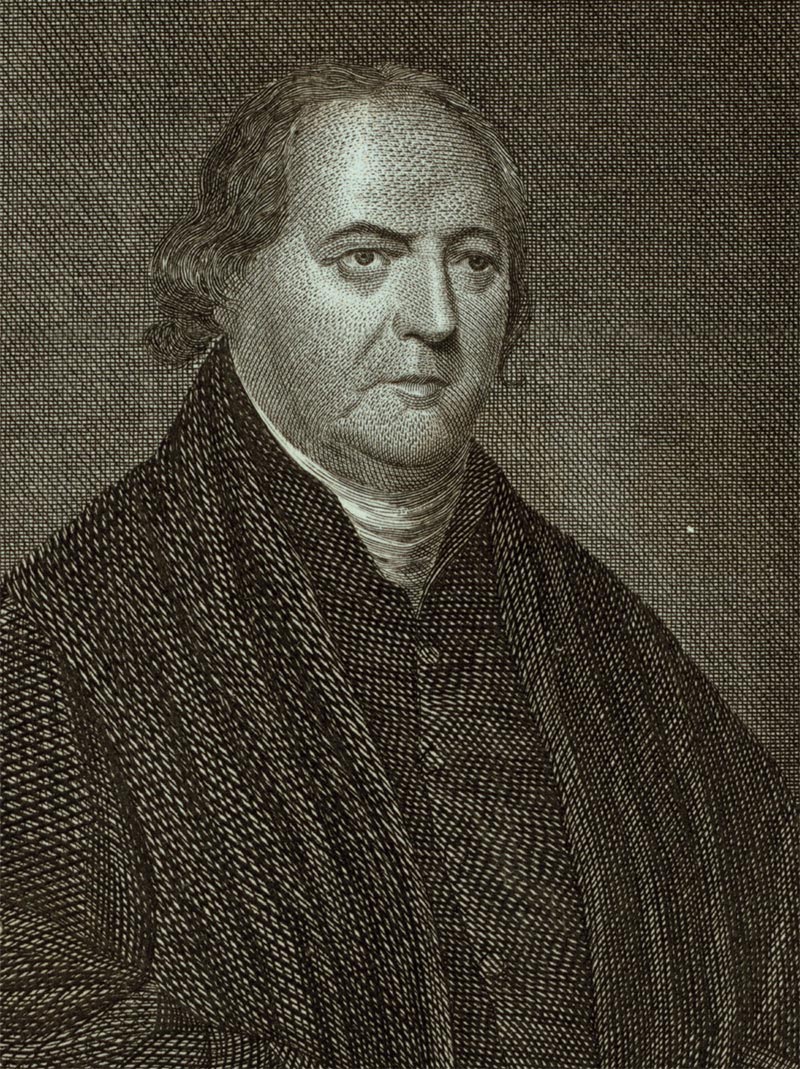
Rev. Freeborn Garrettson (1752-1827)
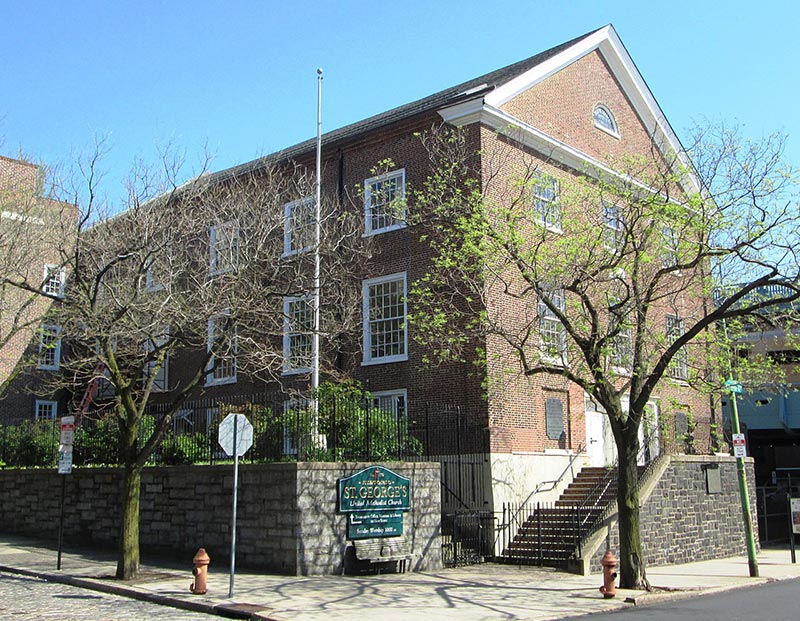
Exterior of St. George’s United Methodist Church in Philadelphia
Rev. Allen usually preached on the commons, and the fifty or so congregants joined him for worship inside the church building later on the Sabbath, where they were segregated in the balcony or made to stand. In protest to being segregated for prayer and preaching, in 1787, Rev. Allen and fellow African-American preacher Absalom Jones formed the Free African Society as a non-denominational voluntary association that provided a place for runaway slaves and freemen to worship together and for “mutual aid.” Active in the small but burgeoning abolitionist cadre in Philadelphia, the FAS continued growing in number and effectiveness into the 19th Century. Many of the congregants followed Jones into the Episcopal Church, where he eventually became the first black Episcopal priest in the United States.
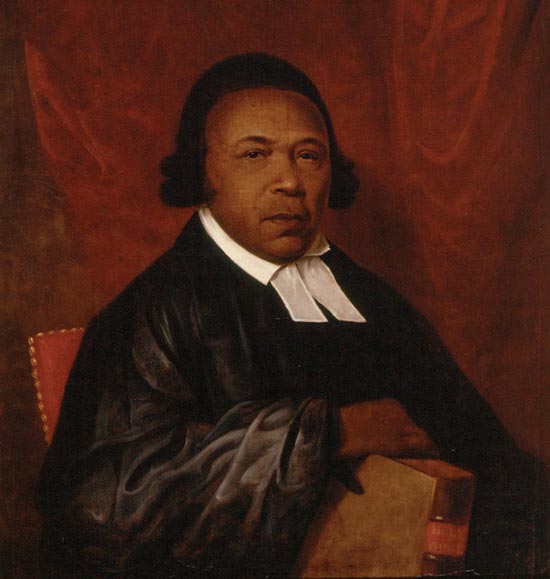
Rev. Absalom Jones (1746-1818)
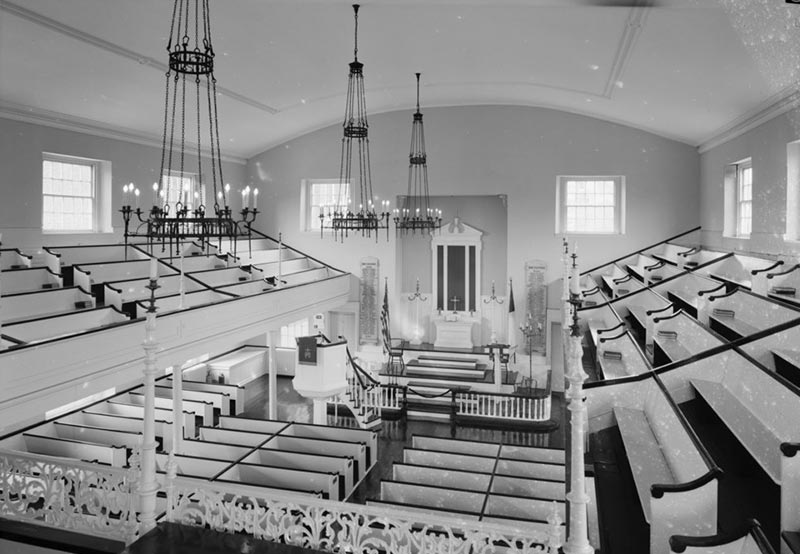
Interior of St. George’s United Methodist Church in Philadelphia
The remainder of the FAS members joined Allen as he remained convinced of the Methodist communion and organized Bethel African Methodist Episcopal Church on July 29, 1794, under the initial oversight of Bishop Francis Asbury, who ordained Allen in 1799, making him the first “officially ordained” African-American Methodist pastor in the U.S. Within ten years, membership had climbed to more than four hundred fifty and by 1813, over twelve hundred. In 1816, Richard Allen combined a number of other black congregations in Pennsylvania and Delaware and formally separated into the African Methodist Episcopal Church, the first independent black denomination in the United States, with the Rev. Allen as the first bishop.
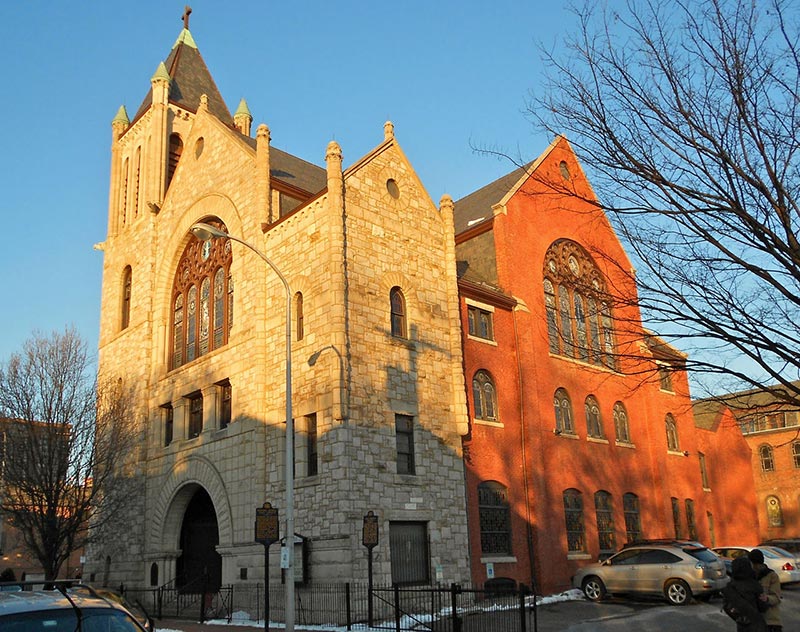
Bethel African Methodist Episcopal Church in Philadelphia
The preaching of Richard Allen, almost exclusively “evangelistic” in the beginning, was “never expository,” always extempore, and full of calls to action. The major themes of his preaching became abolition, education, temperance and colonization. His church became a stop on the “underground railroad” that ran through Philadelphia. Bishop Allen died in 1831, looking back to a time when there had been little or no hope of ever rising above being a field hand on a Delaware plantation. But God had plans otherwise and a calling that reached thousands of people in his own time.
During the Civil War, AME pastors travelled south with the Union armies and established congregations of Freedmen across the South. By 1880, there were more than 400,000 members and missionaries in at least two African nations. Today, the African Methodist Episcopal Church has members in thirty-nine countries and five continents with twenty-one bishops, whose theologians have led the churches to preach against “oppression, racism, sexism, and economic disadvantage.” Rhetoric and rage only stoke the fire of division, but if the AME, and all churches, would preach the whole counsel of God—an unfettered and unapologetic Gospel—they would find it is “the power unto salvation” to all.
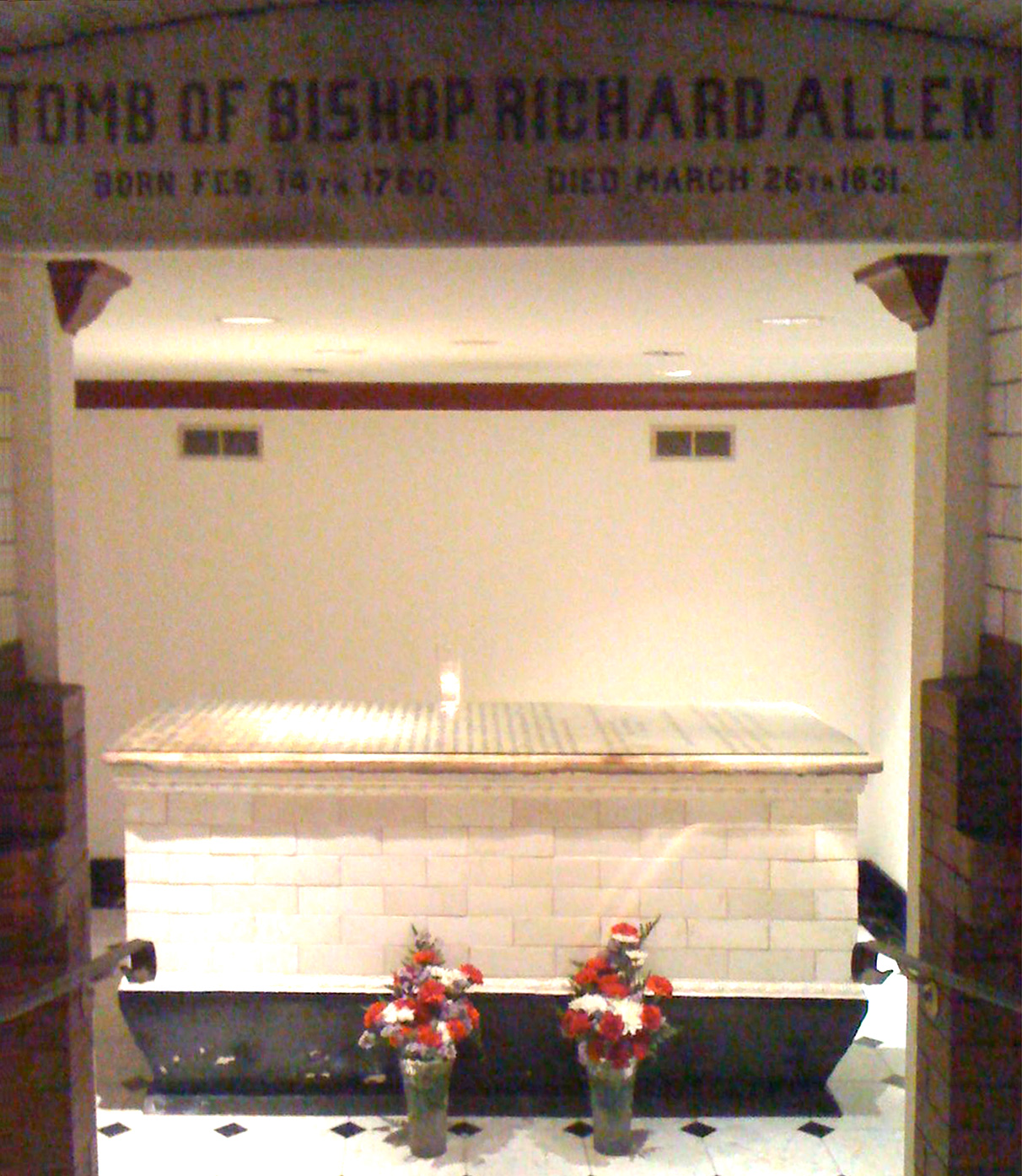
The tomb of Rev. Richard Allen in the lower level of his church, Bethel African Methodist Episcopal Church in Philadelphia
Image Credits: 1 Rev. Richard Allen (Wikipedia.org) 2 Rev. Freeborn Garrettson (Wikipedia.org) 3 St. George’s Church (Wikipedia.org) 4 Rev. Absalom Jones (Wikipedia.org) 5 St. George’s Church Interior (Wikipedia.org) 6 Bethel African Methodist Episcopal Church (Wikipedia.org) 7 Tomb of Rev. Allen (Wikipedia.org)
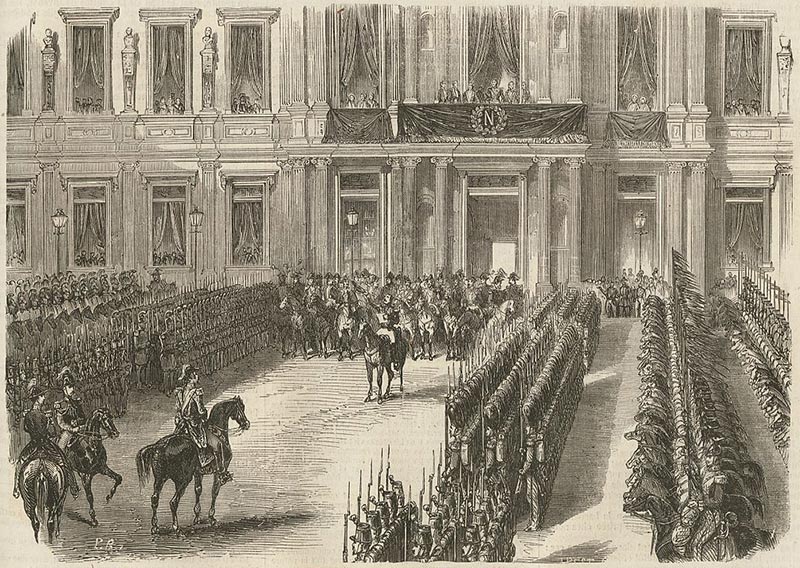
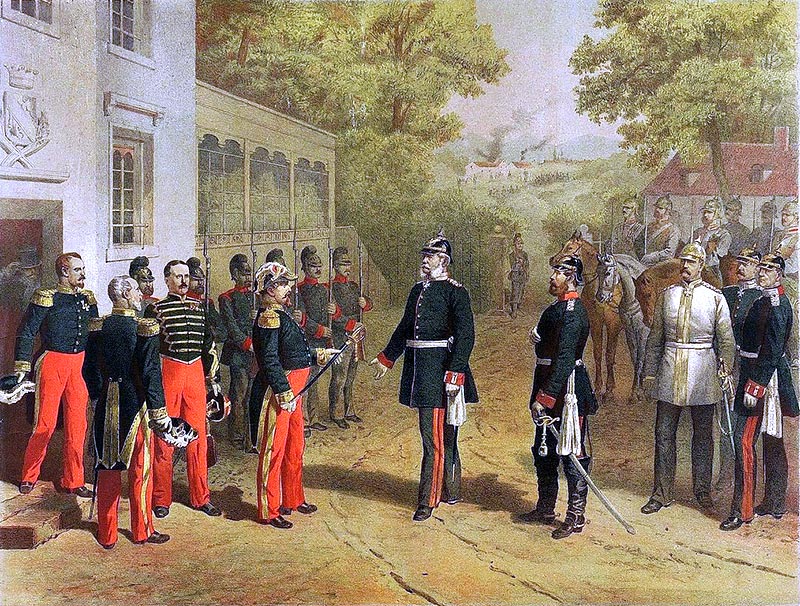
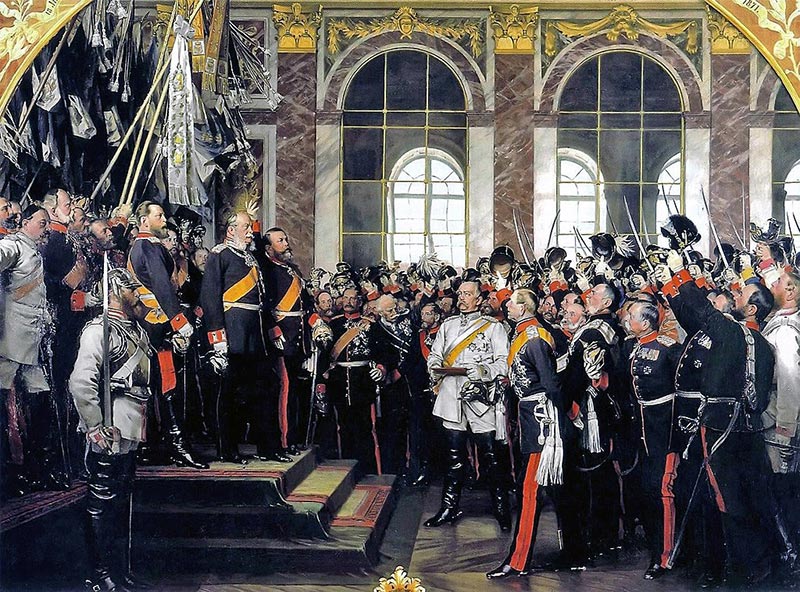
 he legacy of Napoleon Bonaparte (1769-1821) comes readily to mind regarding military innovations and the redrawing of the boundaries of Europe in the 19th Century. Add to those residual effects, the natural French sense of superiority and touchy reaction to international insult, and the volatile combination of international political DNA came to its natural fruition in the leadership of the arrogant and spirited personality of Napoleon’s nephew. Charles-Louis Napoleon Bonaparte, President of France, 1848-52, and “Emperor of the French” from 1852 to 1870 was the last monarch to rule over France, and was founder of “The Second Empire.” He presided over the utter defeat of his beloved country on the field of battle, by the Germans.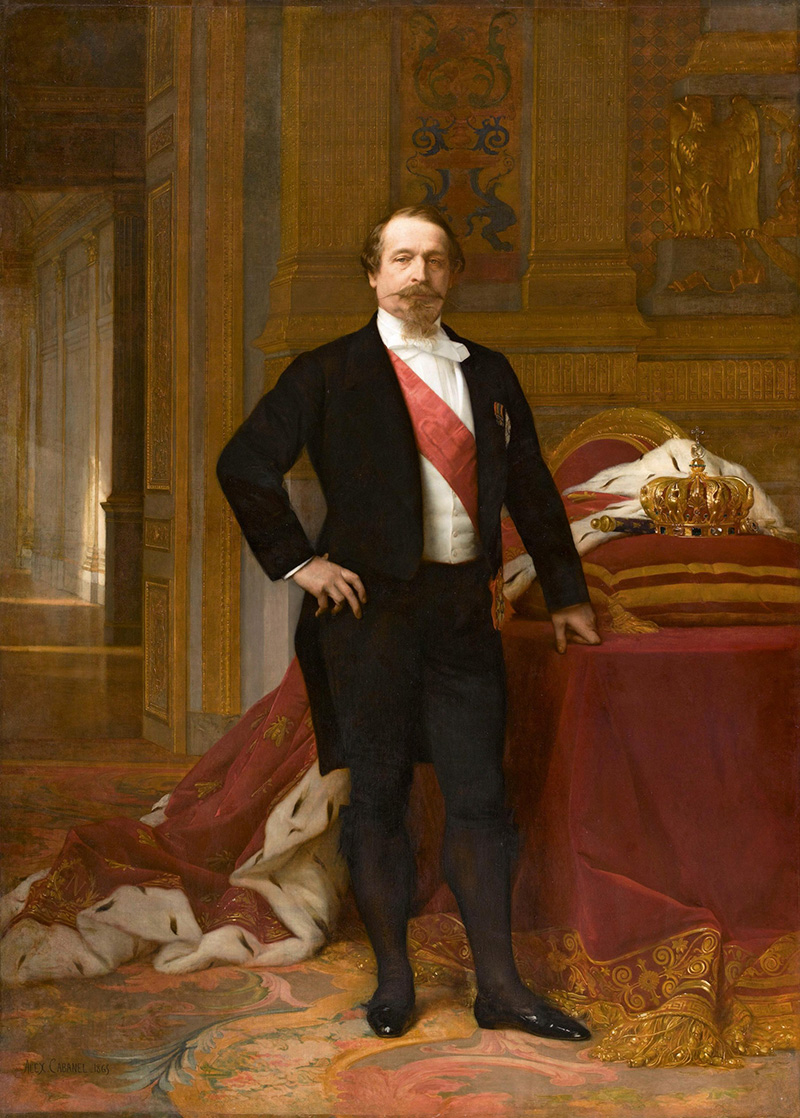
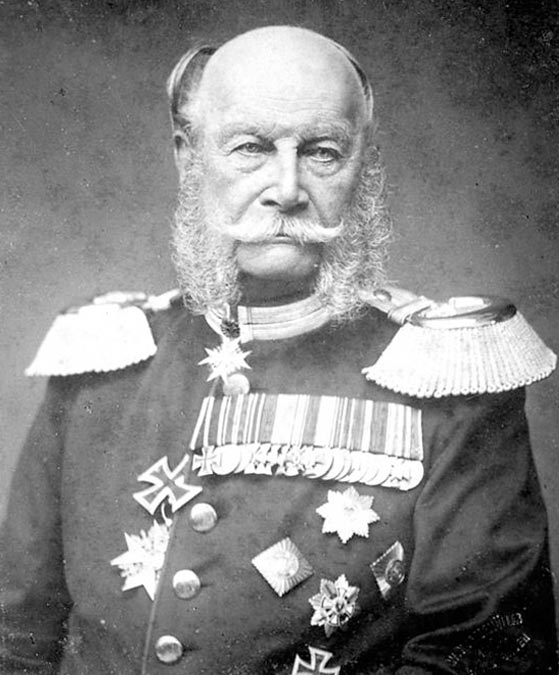
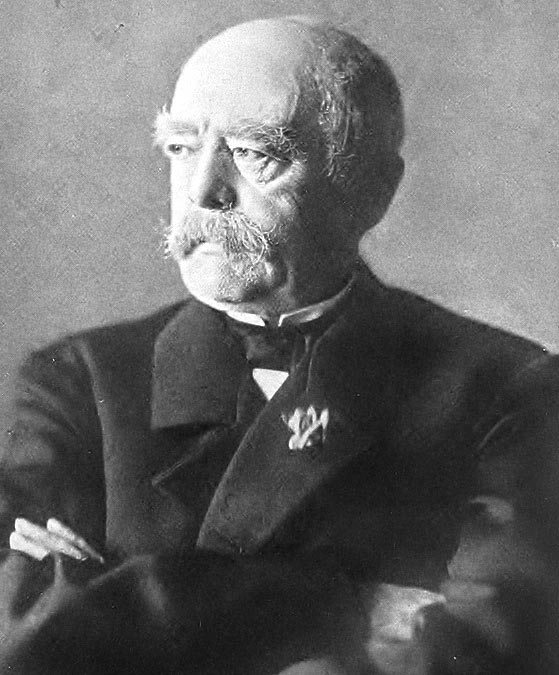
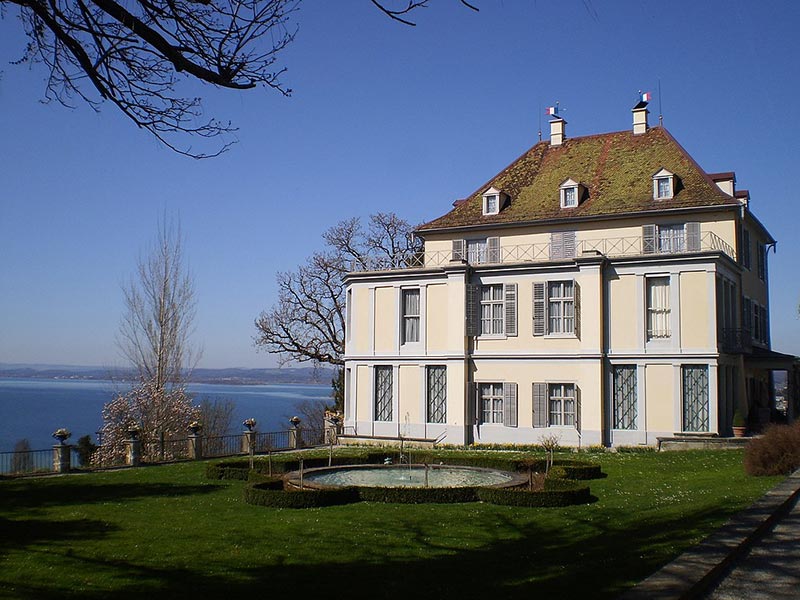
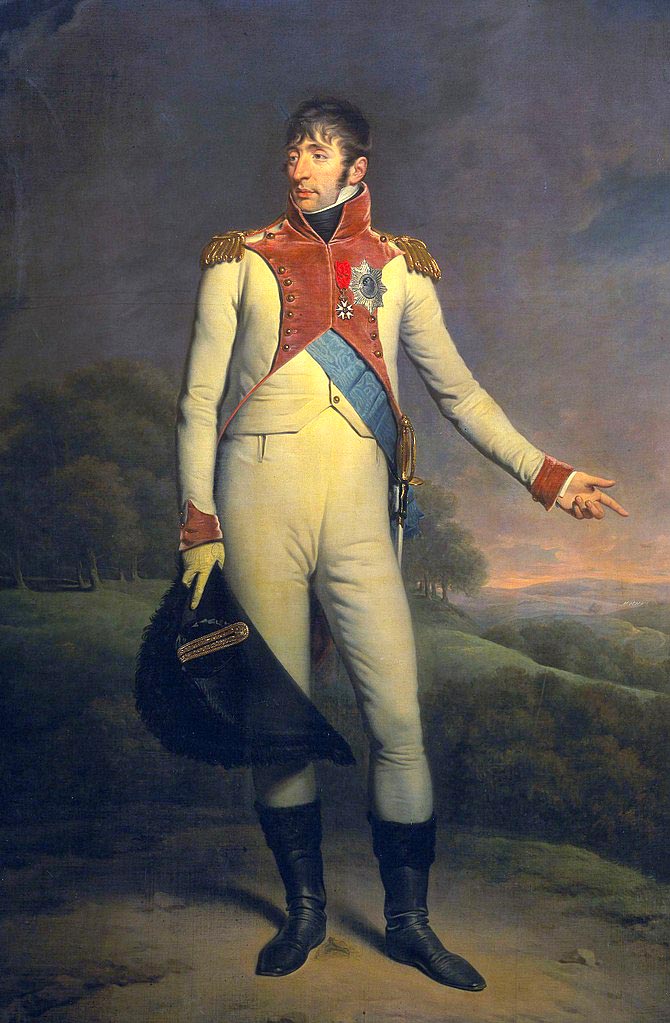 Louis Napoléon Bonaparte (1778-1846), King of Holland, brother of Napoleon I and father of Napoleon III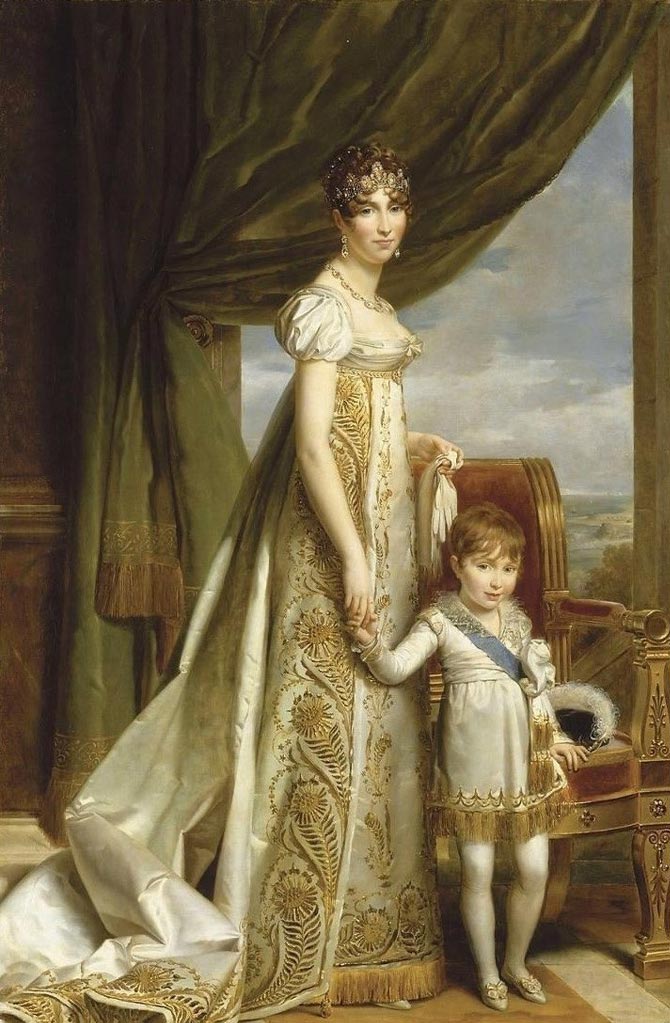
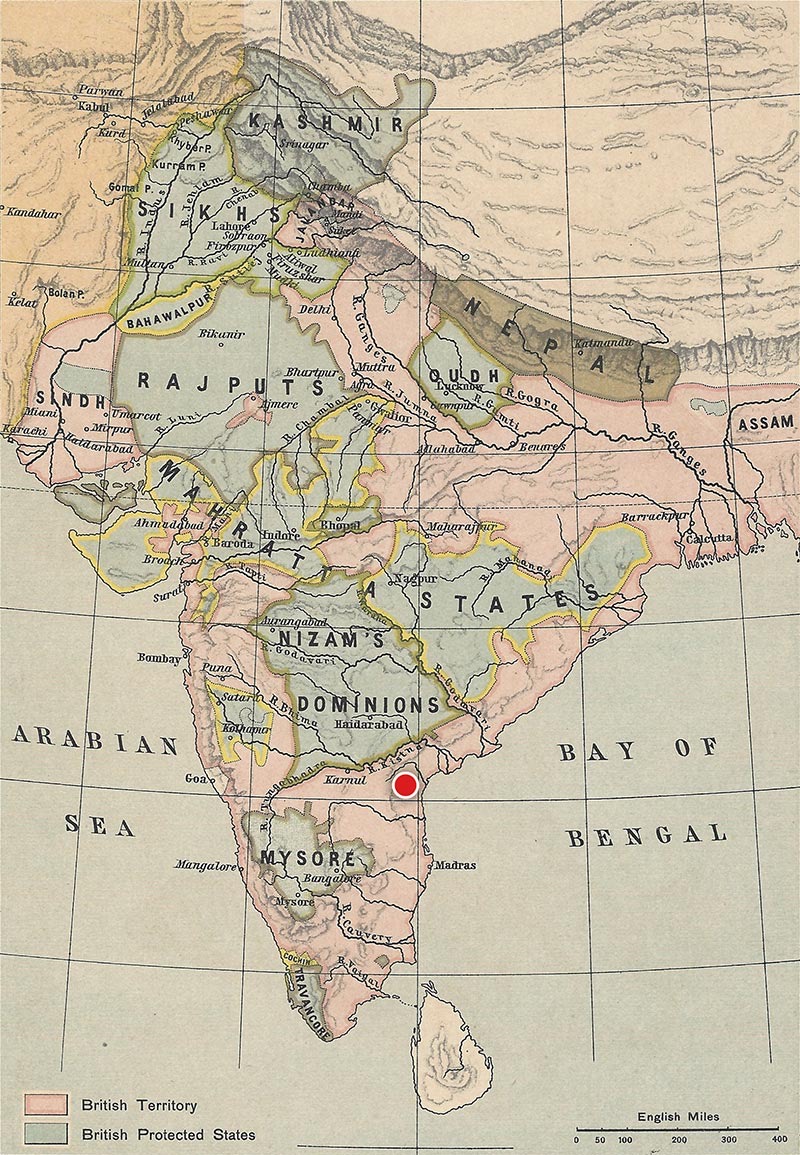
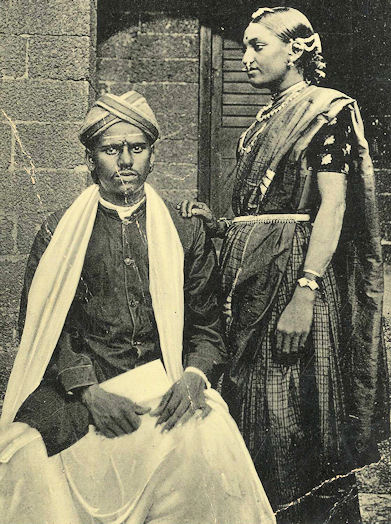
 ohn Clough was born in southwestern New York, not far from Lake Chautauqua. His family joined in the general migration westward, settling in Iowa Territory prior to the Civil War. John attended college in the 1850s in Iowa and while there sensed the call of God to Gospel ministry. Following graduation, John Clough received further theological training, and in 1864 sought and was granted ordination as a Baptist minister. His wife Harriet happily joined in his call to preach on the mission field. He appealed to the American Baptist Missionary Union and was sent to southern India to preach the Gospel to the Hindu Tulgu people. His unusual approach to evangelism presaged a sea-change in mission strategy, but resulted in a bountiful harvest of souls during his more than forty years among the same communities in India.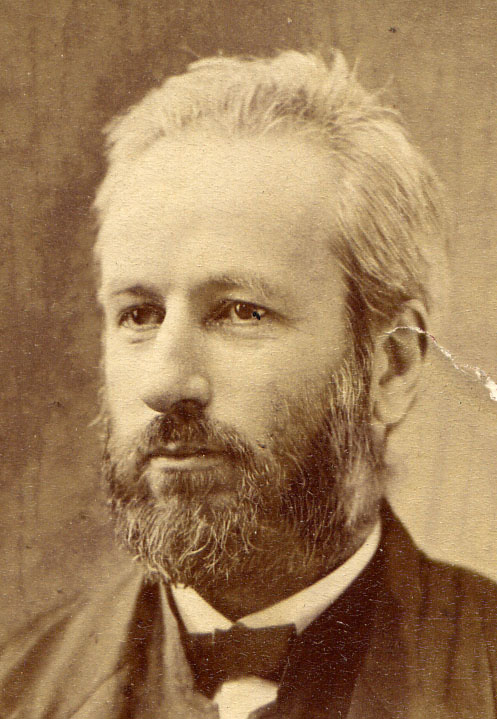

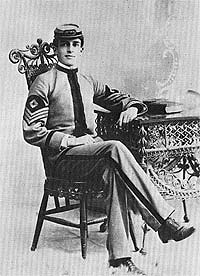
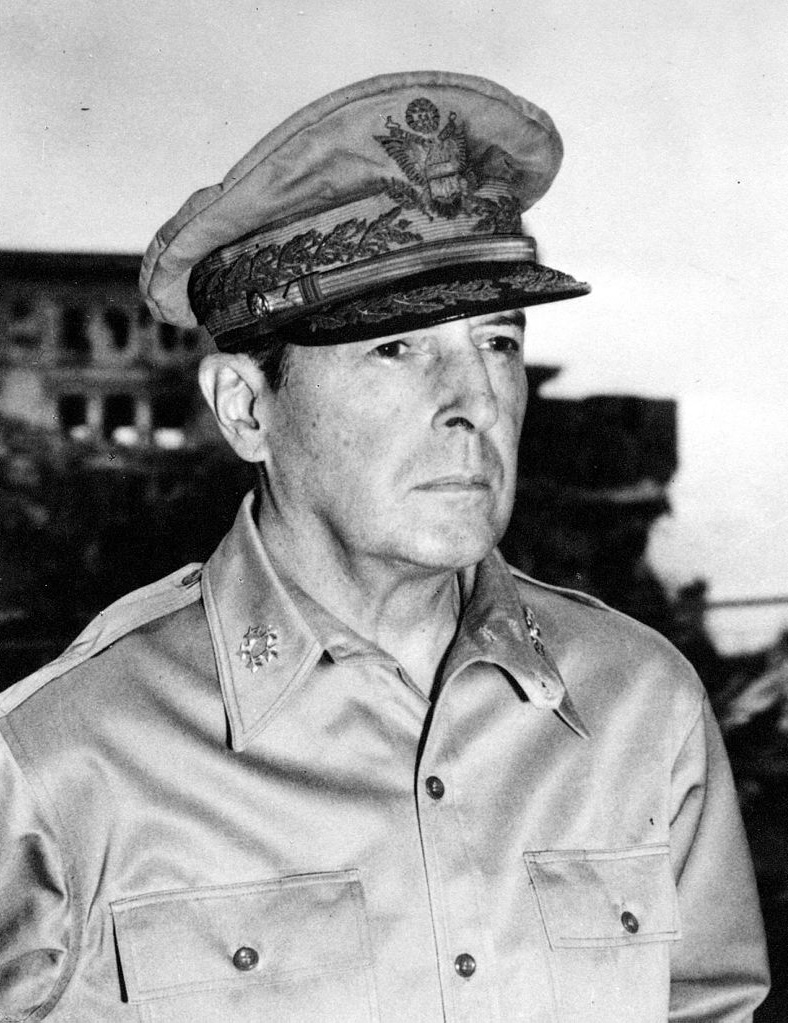
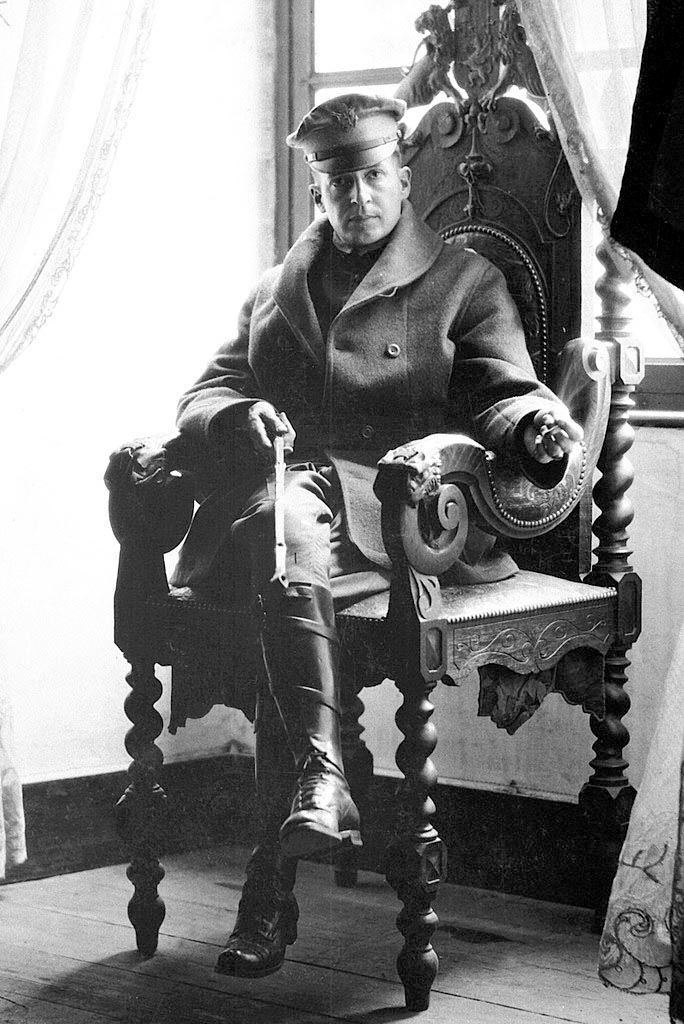
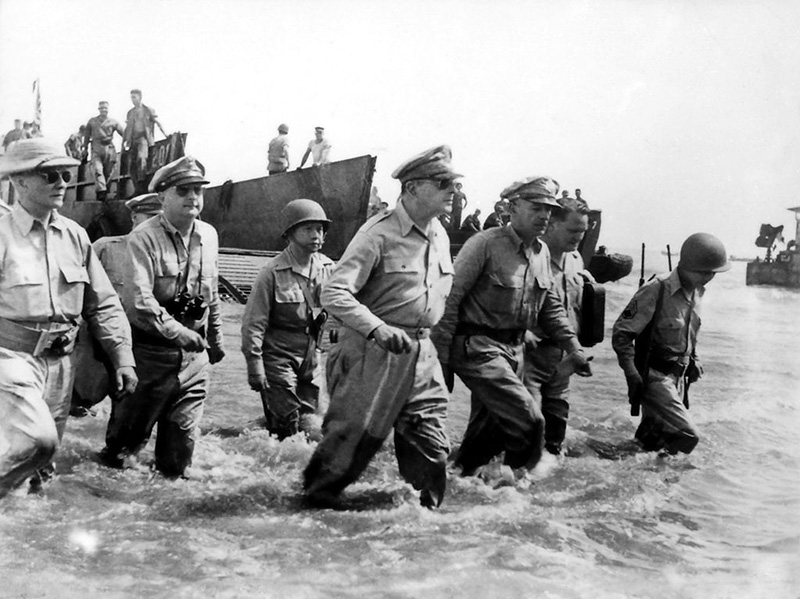
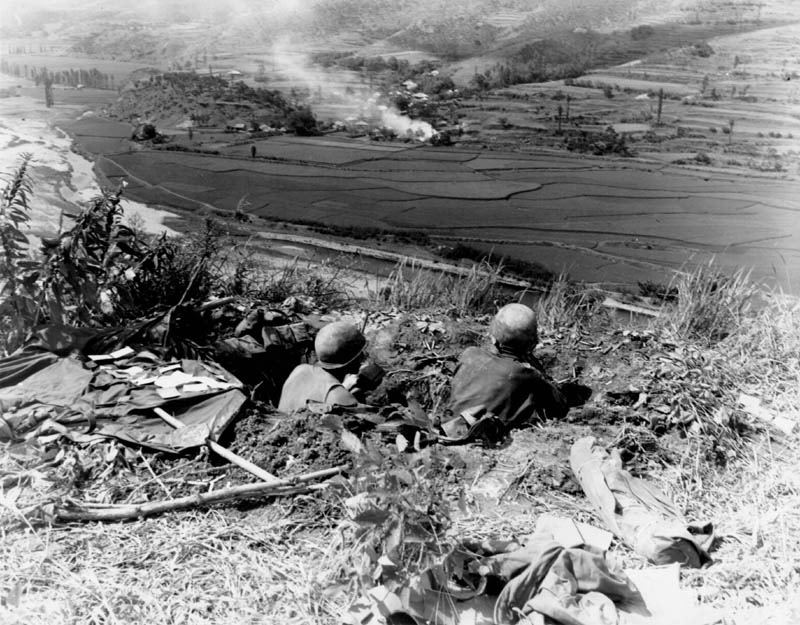
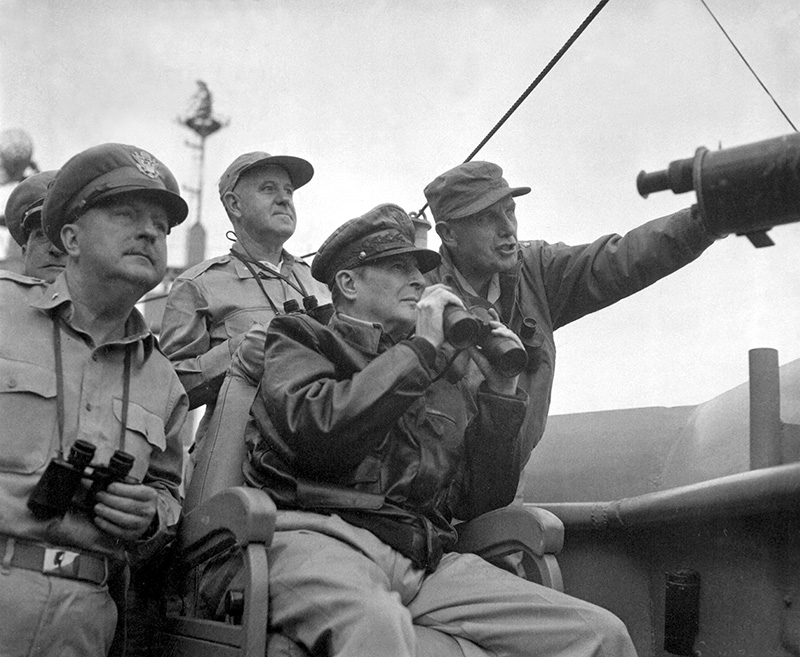
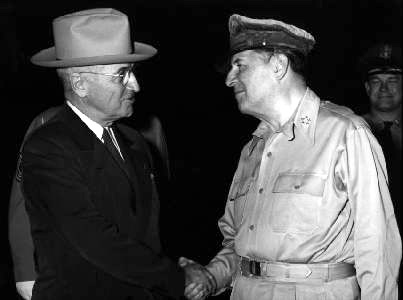
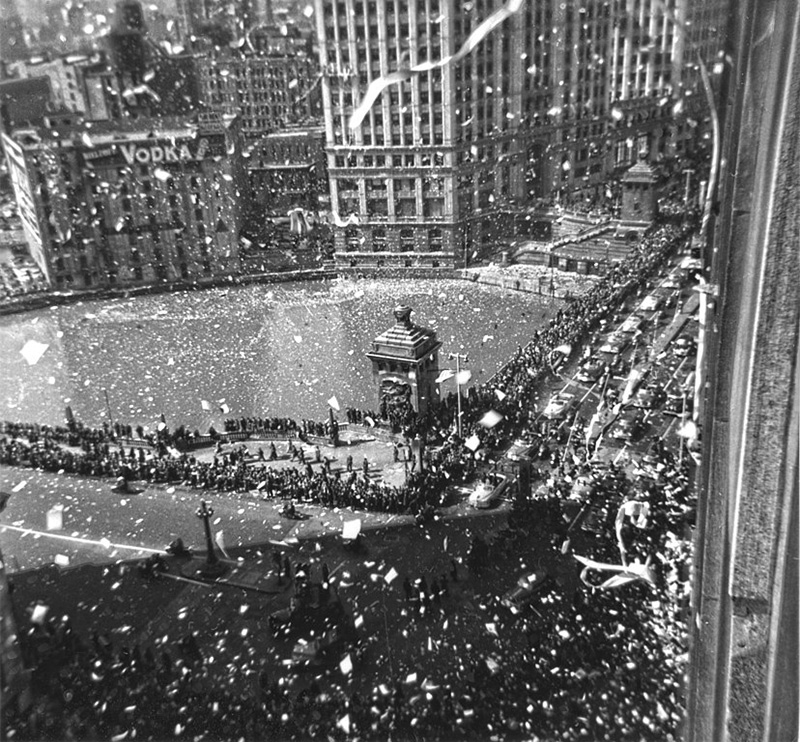
 is mother’s four brothers served in the Confederate Army in Virginia regiments and his wife’s grandfather rose to captain in a Confederate Tennessee Regiment. His father was awarded the Medal of Honor fighting for the Union in a Wisconsin Regiment in the Civil War, and rose to the second highest rank in the United States Army. Douglas MacArthur himself could look back on the most spectacular career of any American soldier ever born: he fought in three major wars, was recommended for the Medal of Honor three times, awarded it once, received seven silver stars and two Distinguished Service Medals, eventually becoming one of only five men in American history to rank as a “full general.” He became the Field Marshall of the Army of the Philippines. After leading the United States to victory in the Pacific Theatre of the Second World War, MacArthur ruled Japan as the Supreme Commander of the Allied Powers. In June of 1950, China-supported Communist North Korea invaded South Korea, creating a military disaster of unprecedented proportions; in less than two weeks, the United States chose Douglas MacArthur to lead the United Nations’ and South Korean Armies against the victorious North Koreans in 1950.