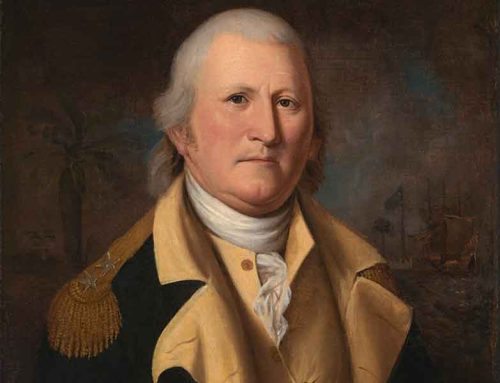

Profiles of 1776 | Richard Stockton
 efore war came to the thirteen colonies, Richard Stockton of New Jersey, the first from that state to sign the Declaration of Independence, stood at the pinnacle of his legal, social, and political world.
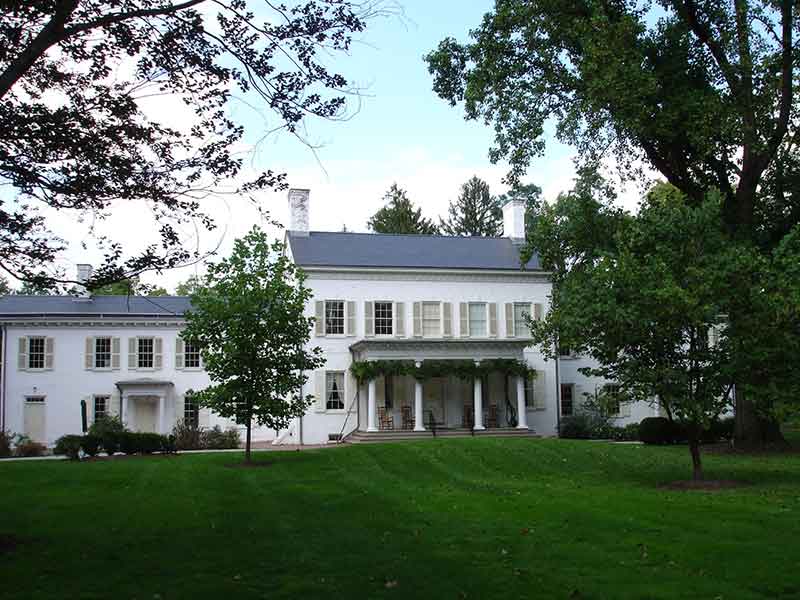
Morven, birthplace and home of Richard Stockton, in Princeton, New Jersey
He was born in 1730 at Morven, the family’s large Princeton estate, into a wealthy landowning Quaker family that had helped bring the College of New Jersey (later Princeton) to the town. He graduated in the college’s first class in 1748, read law under David Ogden (then the leading attorney in the province), and was admitted to the bar in 1754. By the early 1760s he was widely regarded as one of the most eloquent and successful lawyers in the middle colonies; contemporaries called him the head of the profession in New Jersey. He trained several future notables, including Joseph Reed and William Paterson, and in 1763 received the rare degree of sergeant-at-law, the highest legal rank then used in the colony.
Richard Stockton married Annis Boudinot around 1758. She was the daughter of Elias Boudinot, a silversmith and merchant of French Huguenot descent, and later a signer of the Declaration. Annis had become renowned in her own right for writing and publishing poetry as a young woman; she later became one of the better-known patriot poetesses of the Revolution and a friend and correspondent of George Washington’s. Contemporaries described Richard and Annis as a strikingly attractive pair in their prime, and theirs was a close, confiding match. Surviving letters and Annis’ later elegies for her husband support the picture of a genuine intellectual and affectionate partnership rather than a purely practical arrangement.
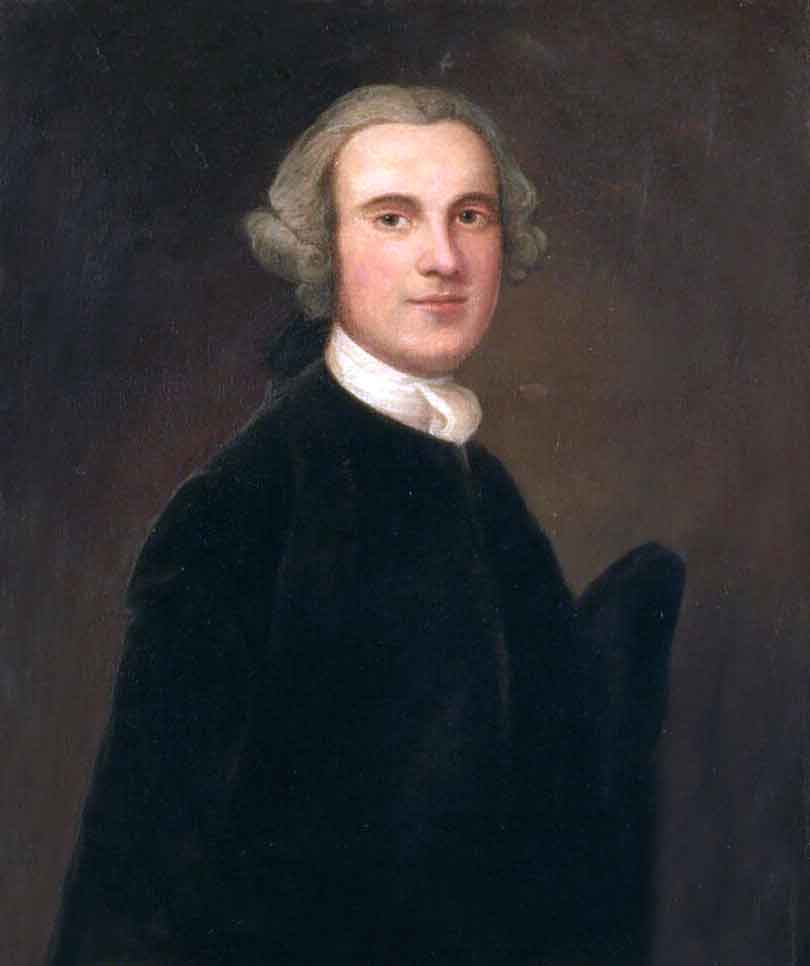
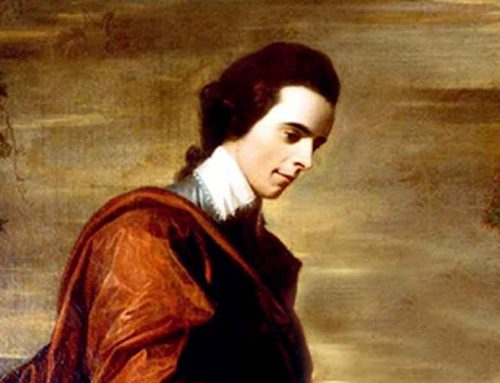
Richard Stockton (1730-1781)
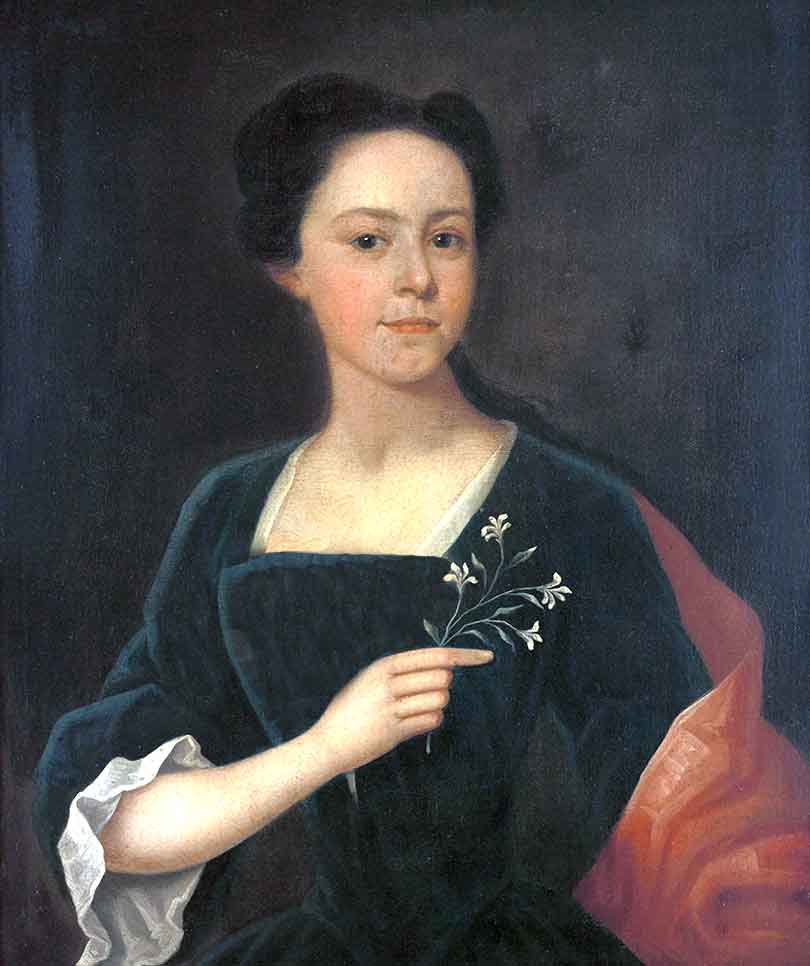
Annis Stockton, née Boudinot (1736-1801)
Their extended families then doubled the colonial connections when Annis’s brother, Elias Boudinot—who later served as President of the Continental Congress and first Director of the U.S. Mint—studied law in Stockton’s office and married Stockton’s sister Hannah Stockton. So Richard and Elias became brothers-in-law twice over. Richard and Annis also acquired another relation in respected physician and signer of the Declaration, Benjamin Rush, when he married their daughter, Julia.
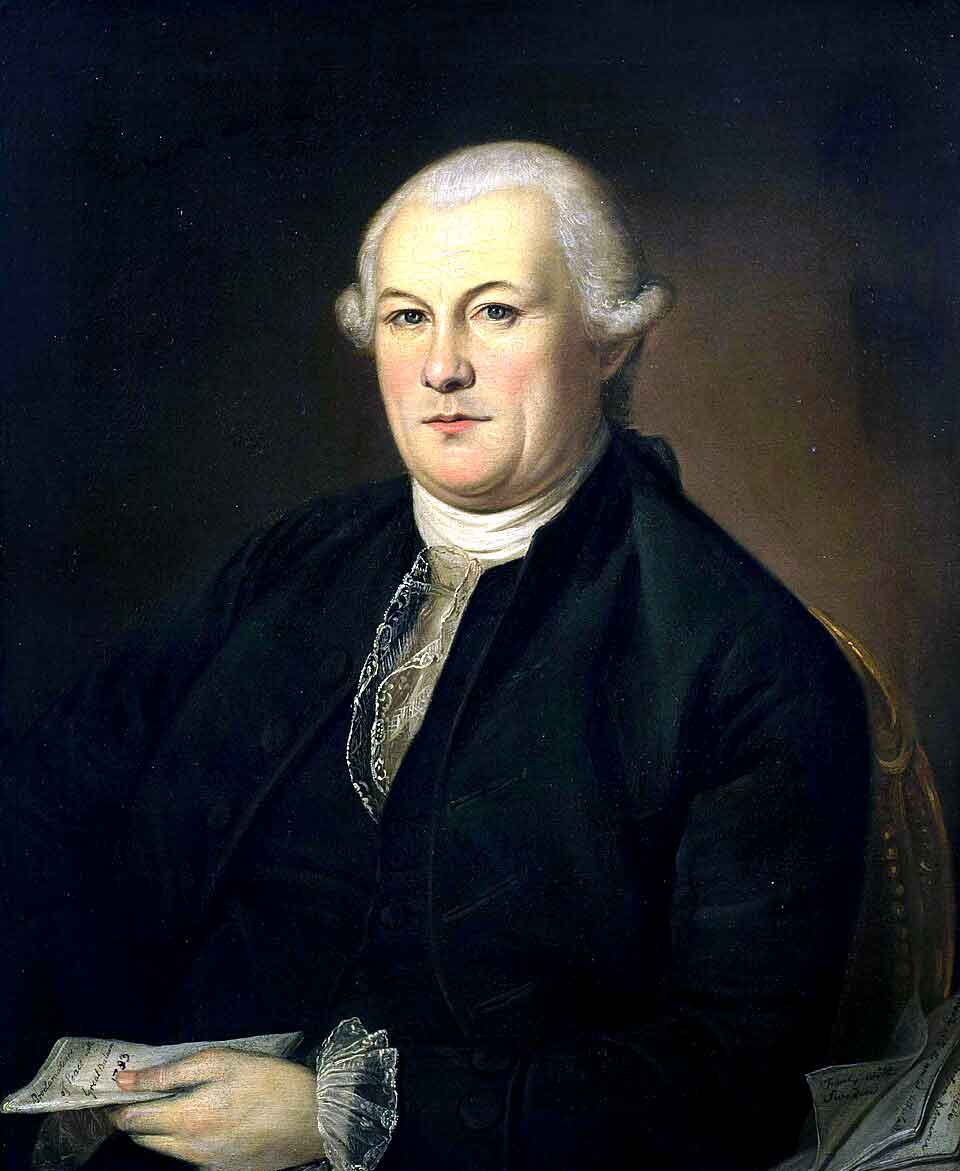
Elias Boudinot IV (1740-1821)
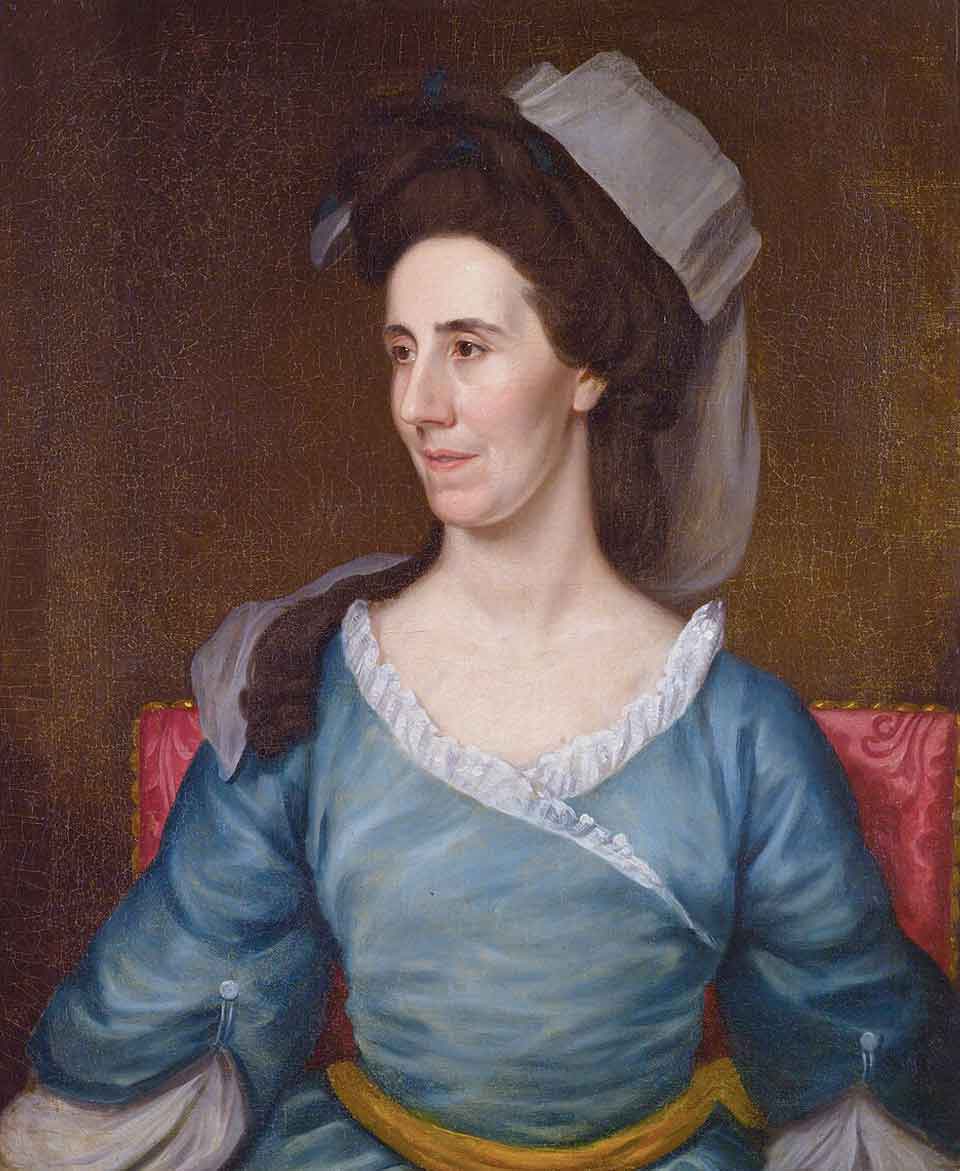
Hannah Boudinot, née Stockton (1736–1808)
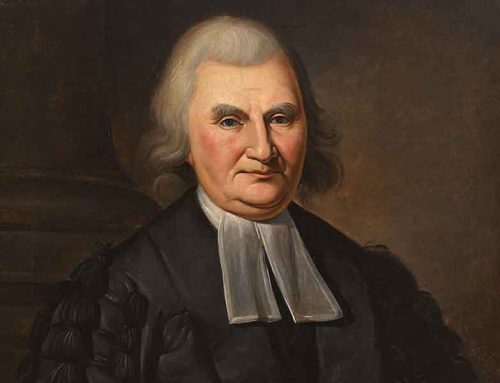
Stockton was also a major figure at Princeton college itself: being first alumnus elected as a trustee and serving as such for 26 years, then later clerk of the board. In this capacity he traveled to Britain and Scotland on the college’s behalf, presented an address to George III thanking him for repeal of the Stamp Act, mixed with the grandiose likes of Rockingham, Burke, and Chatham, and personally recruited John Witherspoon as president—an appointment that shaped Princeton and the patriot clergy for a generation.
Politically he moved from private life into high colonial office. In 1768 Governor William Franklin appointed him to the Provincial Council. In 1774 he was named a justice of the New Jersey Supreme Court. He remained a moderate for some time, even sending Lord Dartmouth a 1774 plan that would have given the colonies internal self-government while keeping allegiance to the Crown. In the meantime, Stockton enjoyed horse racing, collecting art, and the ever stimulating company of his wife. Any greater change in pace seemed unthinkable. “The public is generally ungrateful” he wrote during this time, convinced his time in politics would be short lived, “And I will never become a servant of it, till I am convinced that by neglecting my own affairs I am doing more acceptable service to God and man.”
The very servant of God that Stockton had recruited to preside over Princeton, the worthy John Witherspoon, convinced him to reconsider these thankless duties. His fellow American elites were greatly motivated for independence, and as a consummate lawyer himself, their appeals for justice rang true. When Stockton took his seat in the Continental Congress in June 1776, this moderate man had already made up his mind to vote for independence and forever risk his way of life. That same summer the new state legislature tied him with William Livingston for governor; after Livingston won by a single vote, the legislature unanimously elected Stockton the first Chief Justice of the independent New Jersey Supreme Court. He declined the bench to stay in Congress. Congress then sent him, with George Clymer, on a two-month inspection of the Northern Army.
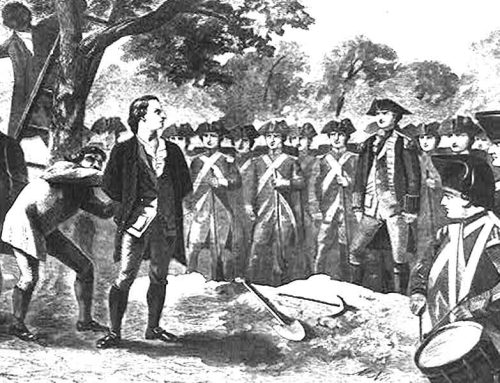
It was on this mission that, while staying at the home of his friend, Richard Stockton was targeted and captured by a band of loyalists for his participation in the break with England. Hauled from his bed on the night of November 30, 1776, one letter from a friend attested that his captors “treated him with the greatest barbarity, driving him, on foot, through rivers and creeks, with the greatest precipitation, to Amboy, where he lies dangerously ill.” Loyalist William Smith recorded with satisfaction that they “apprehended and forced [him] away naked to Amboy, in a most distressed condition.”
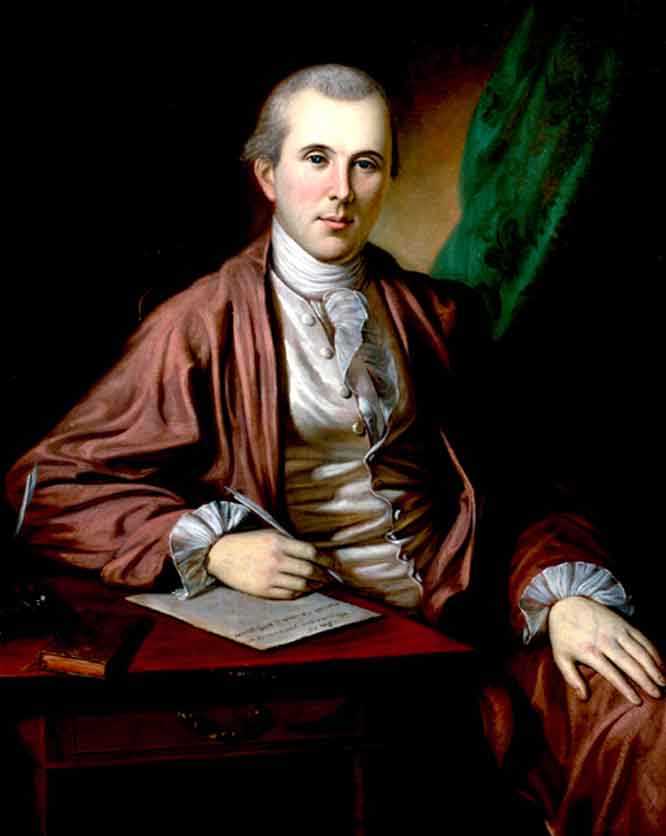
Benjamin Rush (1746-1813)
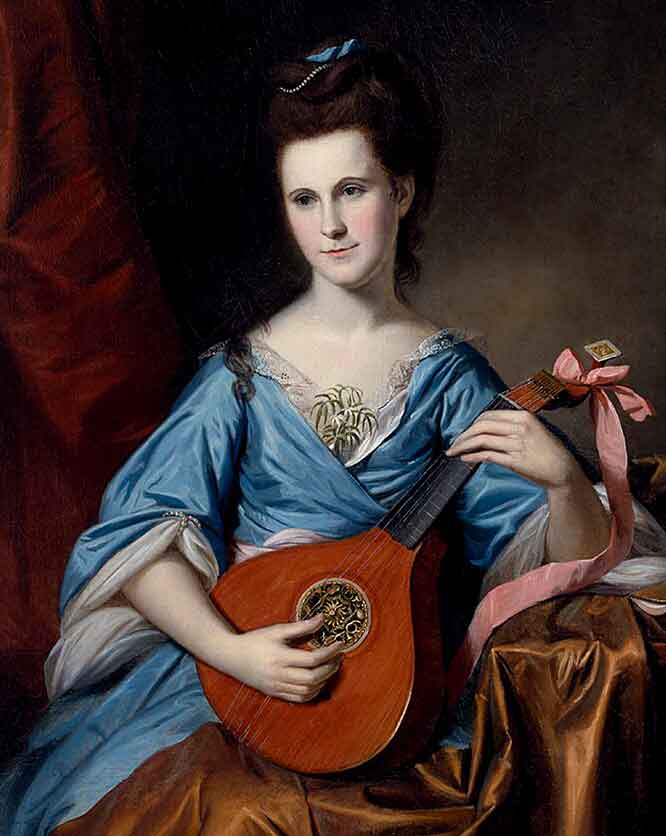
Julia Rush, née Stockton (1759-1848)
Stockton was then turned over to British authorities at Perth Amboy, New Jersey, placed in irons, and treated as a common criminal rather than a gentleman or political prisoner. Reports from the period state he was kept without food for 24 hours and afterward given only coarse, limited rations, and that he was needlessly exposed to the winter cold. His son-in-law Benjamin Rush wrote on December 30 that Stockton “suffers many indignities and hardships from the enemy, from which not only his rank, but his being a human, ought to exempt him.” On January 3, 1777 Congress formally protested his being targeted and that he had been “ignominiously thrown into a common gaol.” Stockton endured roughly five weeks of this harsh captivity while his family, which included the aforementioned prestigious web of patriot notables and wealthy elites, pleaded with Congress to do something.
In early January 1777 he was unexpectedly released on parole. He had accepted General Howe’s general amnesty to rebels who would renounce their participation in the cause of American independence and renew their allegiance to King George. Stockton, near death from exposure and cruelty, and with great concern for the safety of his family, took this pardon and gave his word not to take further part in the rebellion. He would be the only signer to do so. His release immediately followed.
When word of his choice spread, the reactions of his contemporaries varied, but it is worth noting that all such were, in line with the stringent decorum of the times, made in private. No great denouncement was made of him by his fellows, some of whom suffered similarly and did not resort to capitulation.
Elbridge Gerry would view the matter with scathing judgement: “Judge Stockton of the Jerseys,” he wrote a friend, “who was also a member of Congress has sued for pardon. I wish every timid Whig or pretended Whig in America would pursue the same plan, as their weak & ineffectual system of politics has been the cause of every misfortune that we have suffered.” Conversely, his friend John Witherspoon emphasized his sufferings and the practical complications of his actions: “Judge Stockton is not very well in health & much spoken against for his conduct.” President of the Congress, John Hancock, made a stoic summary upon receiving Stockton’s resultant resignation, “Stockton it is said, & truly, has received General Howe’s protection.”
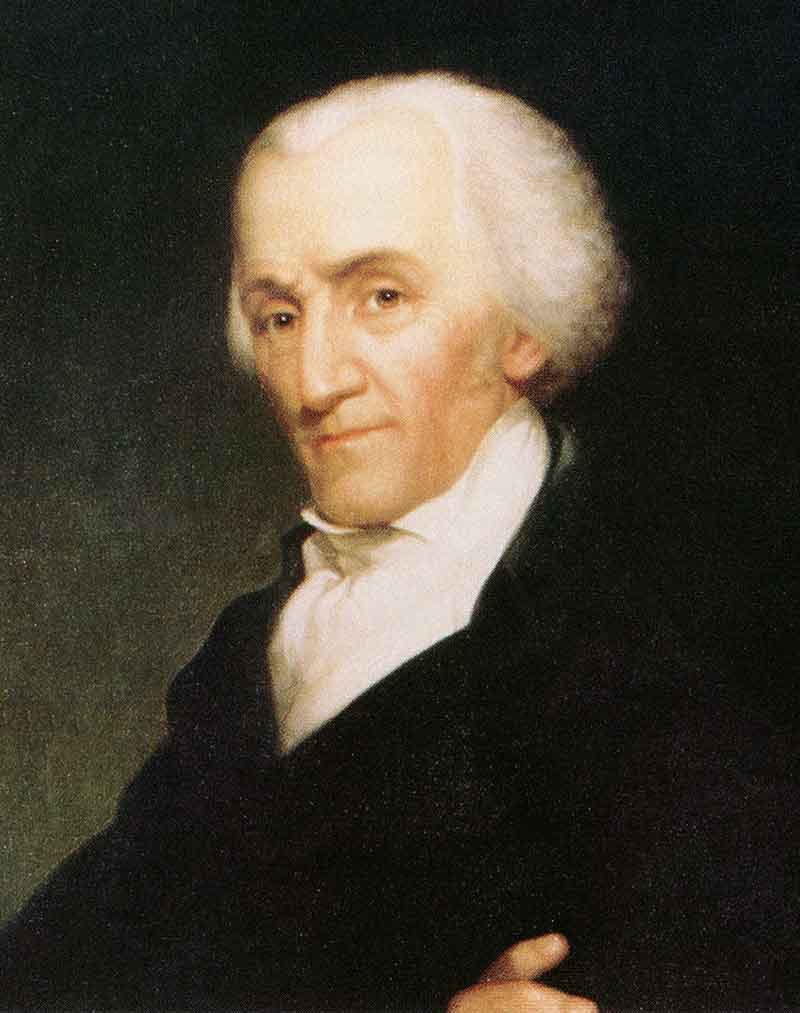
Elbridge Gerry (1744–1814)
It was the same winter that Thomas Paine wrote “these are the times that try men’s souls”, and while there was great animosity felt toward any weakness of spirit, still restraint was shown toward a man who had suffered great duress for the cause. Stockton’s son-in-law, Benjamin Rush, refused to join in the chatter about it, despite his famed love for gossip and intrigue. His brother-in-law, Elias Boudinot would say nothing on the matter, but spent much of the war in his official capacity as Commissary General of Prisoners for the Continental Army, remonstrating against the unjust and barbaric treatment of American men.
The estimate for all American men who died as prisoners of the British comes to 18,000. Over twice as many as died in battle.
After Stockton turned in his resignation to Congress, he returned to his home at Morven where he found his estate plundered, his remarkable library scattered and his furnishings destroyed or carried off, the livestock and grain also taken. For years afterward his wife, Annis Stockton, would strive to locate his priceless papers which would have revealed so much of his service to our country in the years leading to independence. Seemingly aware of her great distress during this time, General Washington wrote to her in their private correspondence, assuring Annis that her recently besmirched husband was “never forgotten” by him.
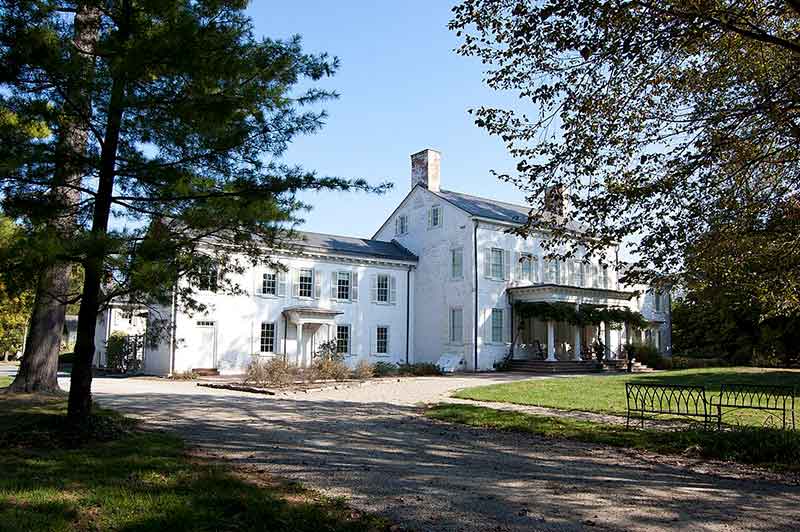
Morven—Richard Stockton’s beloved home in Princeton, New Jersey—is now preserved as a museum and garden
Stockton would renew his allegiance to the state of New Jersey the following year, but he would rarely offer council to his country or neighbors in the following years. For, on top of all these great discouragements, Stockton was soon stricken with cancer, possibly a result of his weakened physical state, and suffered tremendous pain from it. He underwent surgery on his mouth without anesthesia, but soon his ailment spread to the throat and proved fatal. Of his great forbearance under this trial, his pastor bore witness, saying “in the midst of as much as human nature could endure, he always discovered a submission to the wheel of heaven, and a resignation to his fate, that could only flow from the expectation of a better life.”
His wife faithfully attended him in his last days, and Richard Stockton died at his beloved home near Princeton at the age of 50, in February of 1781.
While his memory is clouded by being the only signer to renounce the cause, Richard Stockton also remains the only signer to have been so singularly targeted for revenge because he signed the Declaration, not because of the general hazards of war. And it is worth remembering the greater portion of his tortures were inflicted by his fellow Americans; all was not cohesive or harmonious as to what shape the future of our country should take. It is well to reflect, as Stockton did in his will:
“I urge my children, not only to subscribe to the entire belief of the great and leading doctrines of the Christian religion, such as the being of God, the universal defection and depravity of human nature, the divinity of the person, the completeness of the redemption purchased by the Blessed Savior, and the universality of the divine Providence, but also, in the bowels of a father’s affection, I charge and exhort them to remember that the fear of God is the beginning of wisdom.”
Image Credits: 1 Morven (wikipedia.org) 2 Richard Stockton (wikipedia.org) 3 Annis Stockton, née Boudinot (wikipedia.org) 4 Elias Boudinot IV (wikipedia.org) 5 Hannah Boudinot née Stockton (wikipedia.org) 6 Benjamin Rush (wikipedia.org) 7 Julia Rush née Stockton (wikipedia.org) 8 Elbridge Gerry (wikipedia.org) 9 Morven (wikipedia.org)