
The Continental Congress Resolves Upon a National Day of Prayer, March 16, 1776
 midst grave alarm over the protracted siege of Boston, threats to the safety of New York, and the crushing response from King George in refusing all peace negotiations, patriot William Livingston rose before the Second Continental Congress and read out a proposal. Drafted by his own eloquent pen, it read as “an Order for a General Fast” that would have the Congress designate a day for the colonies to publicly acknowledge God’s providence, confess their sins, and pray for protection of American lives and liberties amid the conflict with Britain.
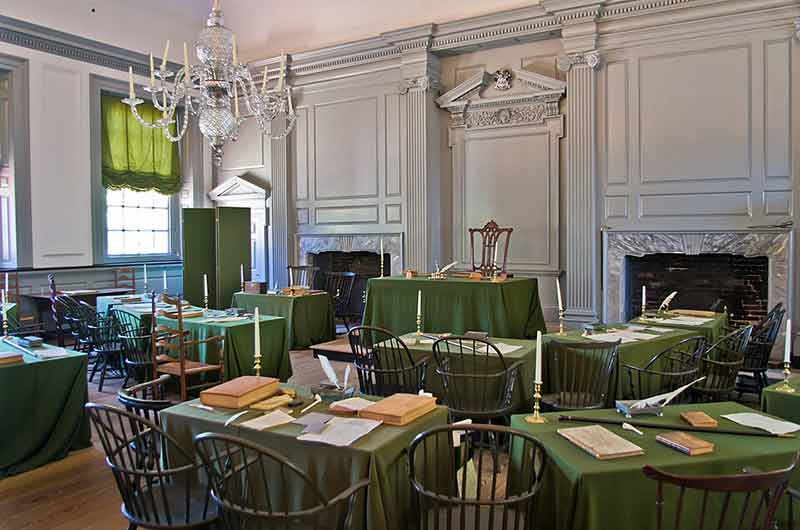
The meeting room inside Independence Hall, Philadelphia, PA, where the Second Continental Congress convened
It was adopted unanimously on this day, and signed into being by President John Hancock—himself the son of Reverend John Hancock, Sr. This motion for a national day of spiritual solemnity and diligence would become the second such to be issued by Congress during the Revolutionary period. Fourteen more would follow in the years to come. With the thirteen colonies at that time operating under the Articles of Association, such motions were called resolves, as they carried no legal compulsion but instead were the “earnest recommendation” of the representative body.
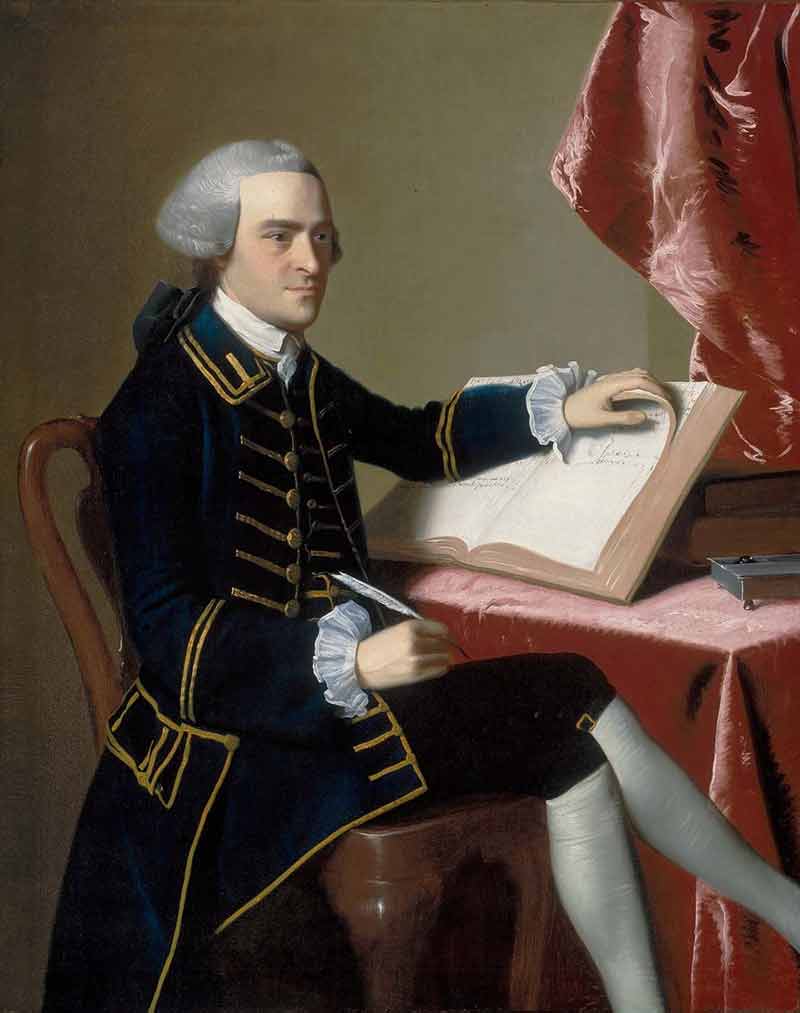
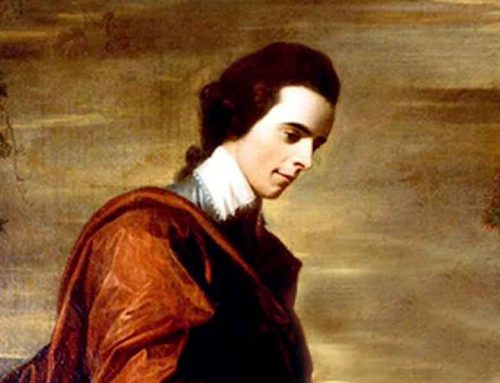
John Hancock (1737-1793)
But here is a beautiful lesson to us all—these great men, harried by all manner of tasks and running out of time to defend their very lives and country from the ravages of an invading enemy, took time and pains to honor and center Almighty God in this great endeavor. And not only in their private devotions, but in the national consciousness.
Indeed, William Livingston himself, the man who drafted this resolve, was considered an exceptional statesman and administrator. Mired in the work of countless councils and committees, and accomplishing the work of a dozen men alone, he did not forget who strengthens the arm for battle or sharpens the mind for defense. Instead he called upon all around him to repent and to rely upon God’s “superintending Providence” in the momentous affairs occurring at home and abroad.
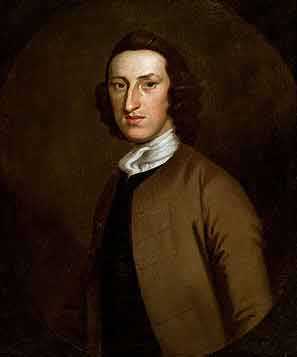
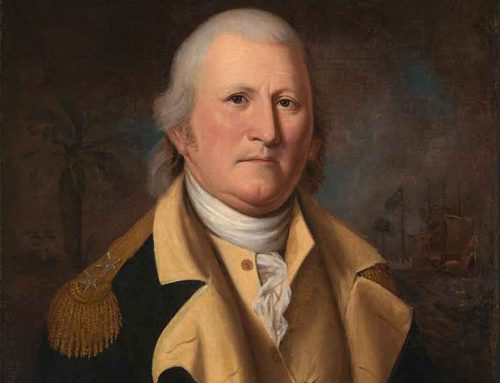
William Livingston (1723-1790)
A devout Christian of the Dutch Calvinist persuasion, a missionary to the Iroquois Tribe, a prominent lawyer, and New Jersey’s foremost representative to the congress, William Livingston would go on to become a brigadier general, the first governor of New Jersey, and a signatory of the Constitution. In a time when men were encouraged to broaden their fields of study and exert all their capabilities in the public interest, Livingston strove foremost among them, yet remained until his last days a reliant sinner, clinging to Divine Grace.
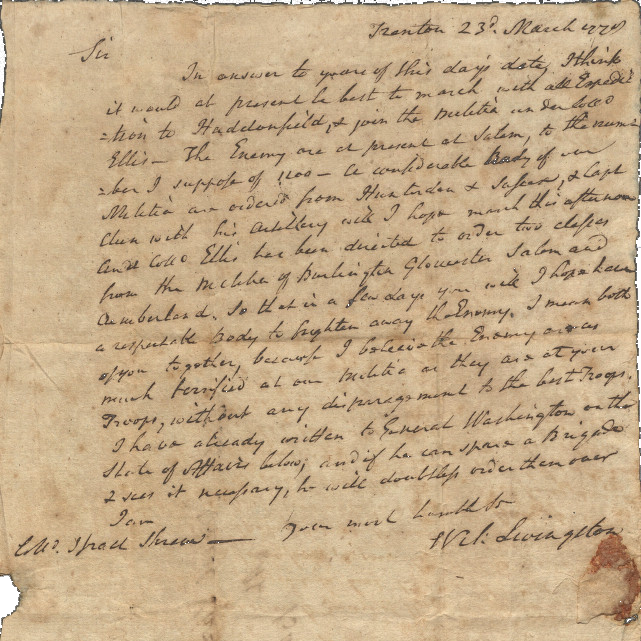
The handwriting of William Livingston in a letter dated March 23, 1778
As we find ourselves again in such dire circumstances, let us come together in repentance and humility that we might find favor with Almighty God Who judges nations and alone has power to restore them. Livingston’s call to prayer is a beautifully crafted appeal for unity in Christ, and remains as pertinent now as it was 250 years ago.
In times of impending calamity and distress; when the liberties of America are imminently endangered by the secret machinations and open assaults of an insidious and vindictive administration, it becomes the indispensable duty of these hitherto free and happy colonies, with true penitence of heart, and the most reverent devotion, publicly to acknowledge the over ruling providence of God; to confess and deplore our offenses against Him; and to supplicate His interposition for averting the threatened danger, and prospering our strenuous efforts in the cause of freedom, virtue, and posterity…
[We desire] to have people of all ranks and degrees duly impressed with a solemn sense of God’s superintending Providence, and of their duty, devoutly to rely, in all their lawful enterprises, on His aid and direction….we may, with united hearts, confess and bewail our manifold sins and transgressions, and, by a sincere repentance and amendment of life, appease His righteous displeasure, and, through the merits and mediation of Jesus Christ, obtain His pardon and forgiveness; humbly imploring His assistance to frustrate the cruel purposes of our unnatural enemies; and by inclining their hearts to justice and benevolence, prevent the further effusion of kindred blood…
But if, continuing deaf to the voice of reason and humanity, and inflexibly bent, on desolation and war, they constrain us to repel their hostile invasions by open resistance, that it may please the Lord of Hosts, the God of Armies, to animate our officers and soldiers with invincible fortitude, to guard and protect them in the day of battle, and to crown the continental arms, by sea and land, with victory and success: Earnestly beseeching Him to bless our civil rulers, and the representatives of the people, in their several assemblies and conventions; to preserve and strengthen their union, to inspire them with an ardent, disinterested love of their country; to give wisdom and stability to their counsels; and direct them to the most efficacious measures for establishing the rights of America on the most honorable and permanent basis…
That He would be graciously pleased to bless all His people in these colonies with health and plenty, and grant that a spirit of incorruptible patriotism, and of pure undefiled religion, may universally prevail; and this continent be speedily restored to the blessings of peace and liberty, and enabled to transmit them inviolate to the latest posterity.