Profiles of 1776 | Nathan Hale
 tanding beneath the noose fashioned for him and beside his freshly dug grave, Captain Nathan Hale uttered some of the most famous words in American history. Valorous, undefeated, uncowed, he said, “I only regret that I have but one life to lose for my country.” He was only twenty-one when the British executed him on September 22, 1776, with the country he died for a mere three months old.
In his capacity as the best known American spy, Hale was a most unusual and a downright poor choice. He was the son of a Connecticut minister, raised a strict New England Congregationalist with the fear of God paramount in his life and with a vibrant antagonism to tyranny alive in his heart. Hale was expected to follow his father into the ministry but first he went to Yale, excelling at Latin and Greek.
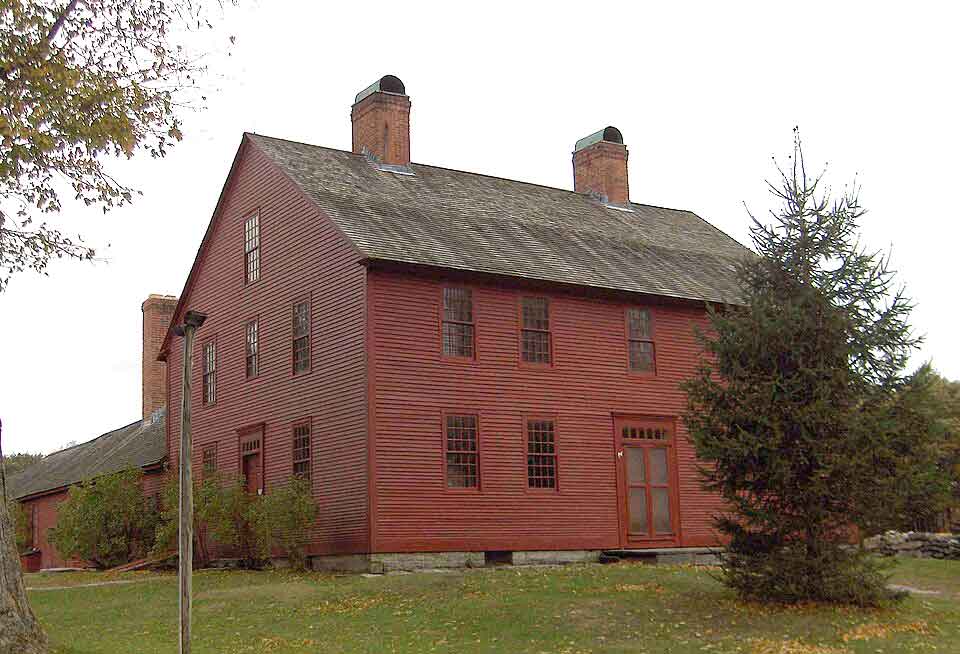
The Nathan Hale Homestead, Coventry, Connecticut—despite the name, Nathan Hale never lived in this house; after his death, his parents razed the original house (where he had lived) and build this in its place, but on the same location
Yale in the 1770s, for all its protocol and its pomposity, still managed to be a place where camaraderie flourished and the ideas of the age were put through the crucible of biblical thought. Paradoxically to modern historians, and perfectly in keeping with the Christian tradition that formed the place, the college bred a restless, insubordinate ethos among its students, not least when the subject was the Mother Country. General Thomas Gage, commander of British forces in North America, branded it “a seminary of democracy.” One of the teachers, a Reverend Dr. Huntingdon, interrupted his Latin declensions and conjugations with personal rants on the iniquity of the Stamp Act. His students, including Hale, digested the rants, carried them into the university’s debating societies, and saw them leave again as printed essays.
Debating and theatrical societies were the lifeblood of the college’s social life and, through such exercises, the young patriot sharpened his reason. There Hale learned his Cicero and Plato, his rhetoric and his logic, and came into contact with Joseph Addison’s 1713 play Cato, with its line: “What a pity it is. . . . That we can die but once to serve our country.”
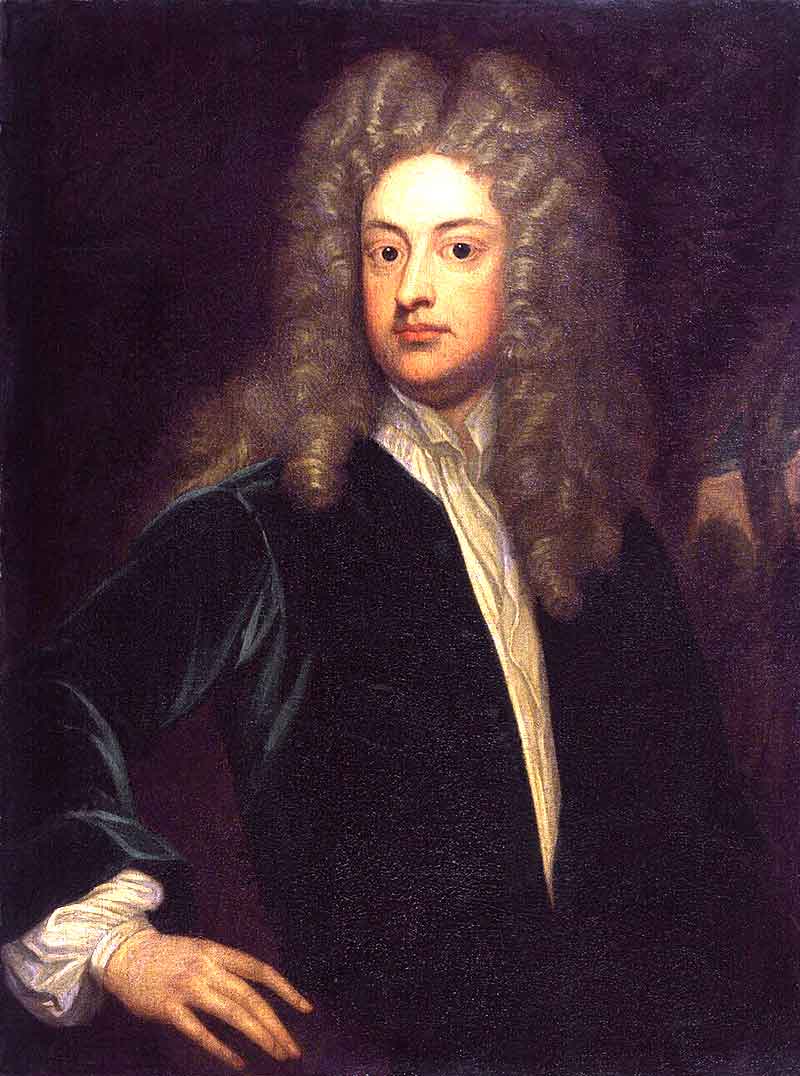
Joseph Addison (1672-1719) was a British author, playwright, and politician, best known for his 1712 play, Cato, a Tragedy
Hale graduated from the class of 1773 and went back home and took up the utterly domestic profession of a schoolmaster. It is recorded he was well liked; it was rumored he fell in love. This quiet life lasted two years, then came the shot heard ’round the world. Militias were called up. Of Hale’s class of thirty-five Yale graduates, thirteen continued into the ministry and thirteen joined the Continental Army. Hale was among the latter.
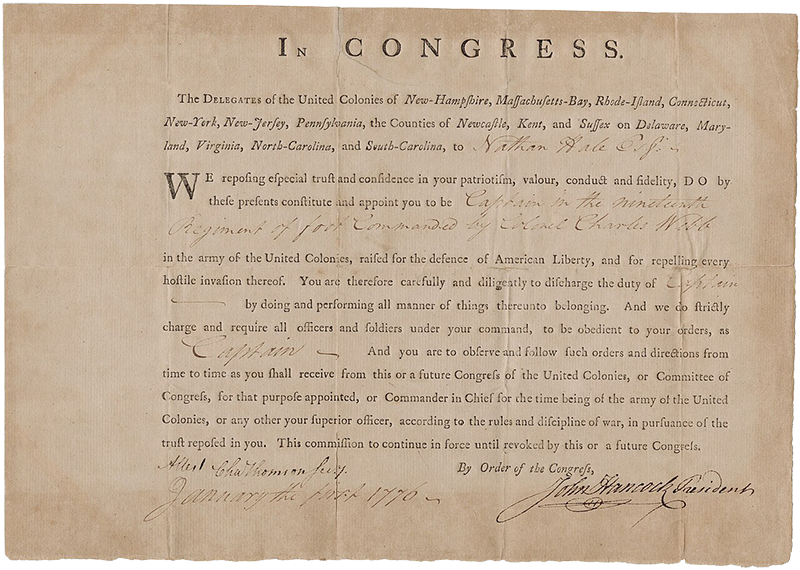
Nathan Hale’s commission as captain in the nineteenth regiment of foot, dated January 1, 1776 and signed by John Hancock
When Washington’s army left Boston in 1776 and took up position at New York, Hale was in the ranks, and already grieved by what he saw in the city. Two-thirds of it remained staunchly Tory. He wrote his brother that “it would grieve every good man to consider what unnatural monsters we have, as it were, in our very bowels.” A few days later the front of Washington’s army collapsed under Lord Howe. The battle for Brooklyn had begun, and it would prove disastrous.
Washington and his commanders debated what to do with New York as they abandoned it. The New Englanders wanted it burned, so the British would winter in a blackened husk. The New Yorkers were reluctant to raze their own property. Congress settled the question by forbidding destruction. Washington withdrew accordingly, and found himself surrounded, without reliable intelligence of the enemy’s strength, positions, or intentions.
Washington then tasked one of his generals to find him a volunteer who would infiltrate British lines in the guise of a civilian to gather critical data to plan his next move. In other words, he needed a spy in a time when the very word was odious to the gentlemanly sensibilities of both sides. Military reconnaissance and scouting were staple roles in both armies, and the captured members of these special forces were treated with the honor of combatants. Washington himself had been such a scout in the French and Indian War. But a secret agent—a spy—was quite another matter.
Years later, in 1826, when interviewed by his grandson, an aging Asher Wright recounted that when Washington’s call for a volunteer went out: “[My officer] refused, along with the rest of them, saying, ‘I am willing to go & fight them, but as for going among them in disguise & being taken & hung up like a dog, I will not do it’.”
No soldiers (let alone officers) in Knowlton’s Rangers—the regiment specializing in providing Washington with information—wanted to take the ignoble job of secret agent. And it was then, remembered Asher, that “Hale stood by and said, ‘I will undertake the business’.” Washington met with him personally, and Hale’s orders were strictly to spy out Long Island and come home. Yet, within days of being dropped off along the sound of Long Island, Hale was betrayed to Major Robert Rogers by loyalists who recognized him as one of the “patriot Hales of Connecticut.”
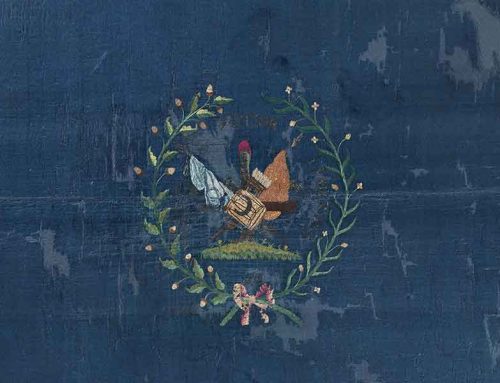
Seal of the United States Army Intelligence—the “1776” refers to the formation of Knowlton’s Rangers
Like Washington, Major Rogers himself was an old veteran and scout of the French and Indian War, and had in fact offered his services to Washington the previous year, hoping to play both sides. Washington knew of Rogers’ unethical reputation and declined his services out of suspicion of his sincerity—and he was right to be suspicious, for within weeks of being spurned, Rogers was receiving a hefty pension, had garnered a promotion, and was given a regiment of Queen’s Rangers to track down patriot informants for General Howe. Rogers would prove a brutal enemy for the Patriots, and his first prey was the ill-fated Nathan Hale.
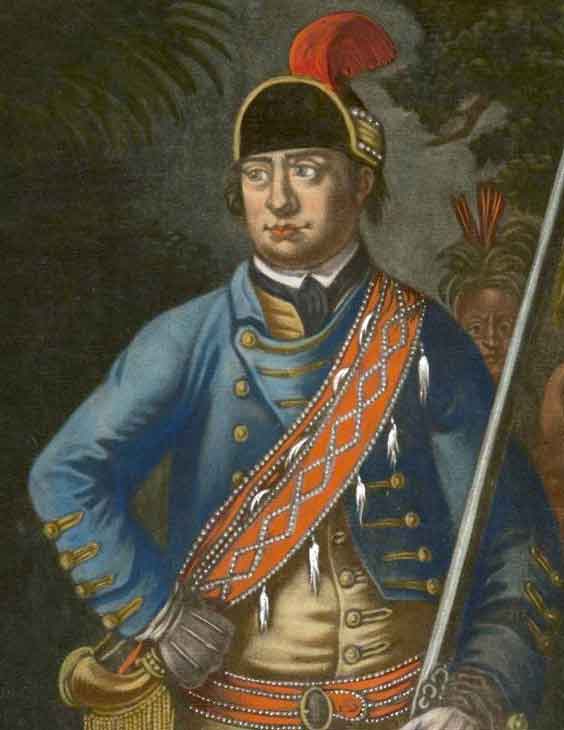
Robert Rogers (1731-1795)
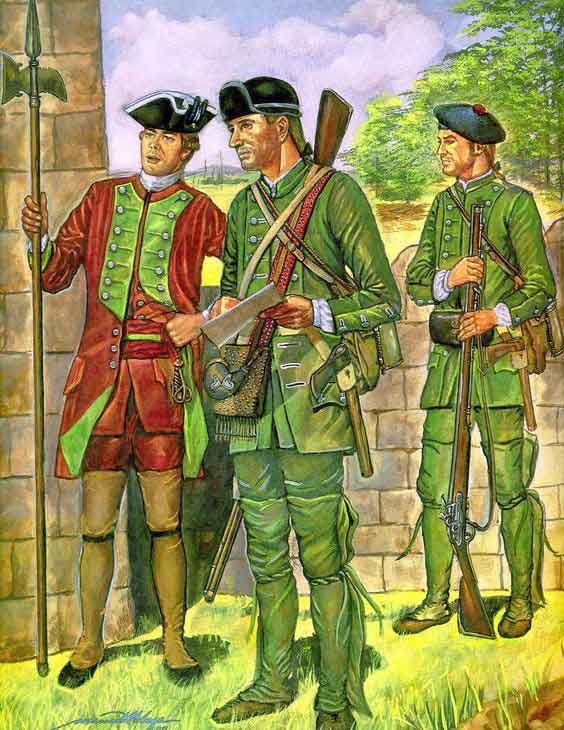
Two soldiers of Roger’s Rangers with a British soldier
Rogers befriended the young man, shared numerous meals with him, and proposed that they travel together—all under the pretense of being a fellow patriot caught behind enemy lines. When Hale joined him on the third day for another meal spent together, Rogers sprang his trap and had Hale arrested as a spy, clapped in irons, and his person searched for incriminating documents, of which there were many.
Very late the next night, Rogers unceremoniously deposited Hale at General Howe’s headquarters in Manhattan. Deliberation on Hale’s execution for espionage was a mere formality. General Howe was in the midst of orchestrating a major battle campaign and had no time to conduct a full court-martial for espionage, even if one had been required. The evidence was blatant and entirely uncontroversial: Rogers had provided witnesses who could attest to Hale’s identity, and others who asserted that he had been sent by Washington; Hale himself had at last admitted that he was an officer in the Continental Army. But, as Hale was captured in civilian clothes behind enemy lines and carrying a sheaf of incriminating documents, there was neither reason nor need for Howe to agonize over this spy. After Howe, roused from his bed, had sleepily signed Hale’s death warrant, the young patriot was placed under the guard of the provost marshal to await his execution.
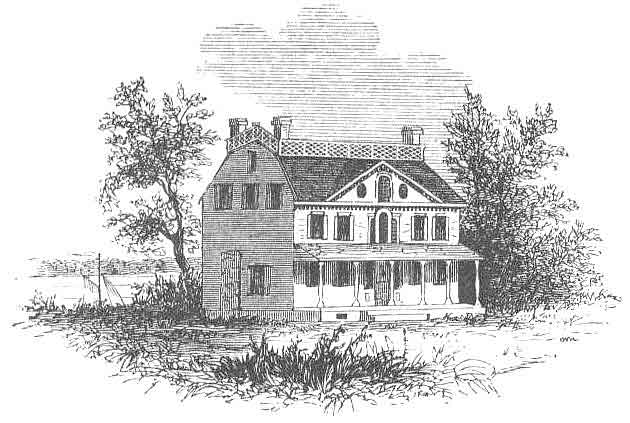
Beekman House, reportedly the site of Nathan Hale’s captivity on his final night
After breakfast, it was time. Hale’s destination was the artillery park, about a mile away, next to the Dove Tavern, at what is now Third Avenue and Sixty-sixth Street in Manhattan. His hands were pinioned behind his back, while a couple of guards led the way. Behind him marched a squad of redcoats with loaded muskets and fixed bayonets. Accompanying the party was a cart loaded with rough pine boards for his coffin.
At the site, the noose was haphazardly swung over a rigid horizontal branch about fifteen feet up, and Hale shakily climbed the ladder that would soon be kicked away for the drop. Next to the tree there was a freshly-dug grave awaiting him.
At the apex of the ladder, Hale was permitted the traditional last words. The only written witness account we have of them comes from the British Captain Frederick MacKenzie, who wrote in his diary for September 22: “He [Hale] behaved with great composure and resolution, saying he thought it the duty of every good officer, to obey any orders given him by his commander-in-chief; and desired the spectators to be at all times prepared to meet death in whatever shape it might appear.”
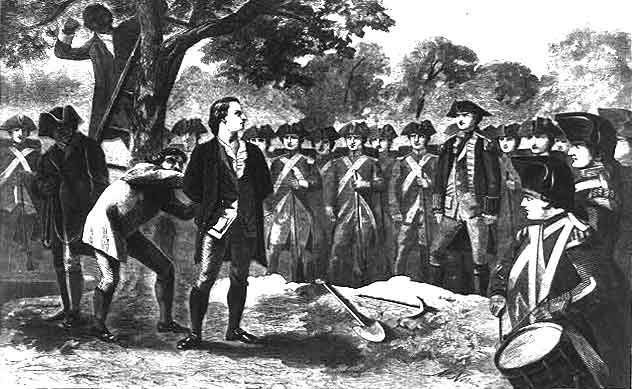
Execution of Nathan Hale
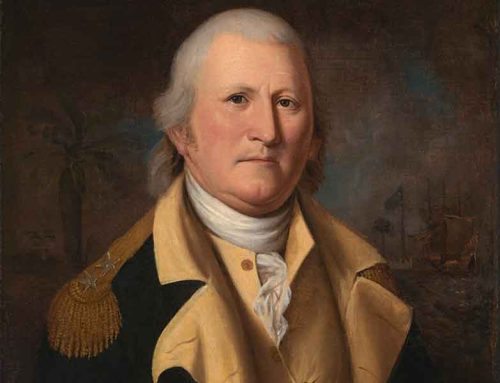
The now famous “I only regret that I have but one life to lose for my country”, lifted from Joseph Addison’s play Cato, once so popular among the Yale graduates, was put into Hale’s mouth many years later by fellow student William Hull. Hull was not present to witness his friend’s death, but knew it to be one of Hale’s favorite lines, and the most likely sentiment animating his friend’s heart in his last moments. Hull was not far wrong, although Hale’s emphasis seemed to have been, as any good Christian’s would be at the hour of death, on exhorting all to be always ready to meet the Great Judge, coupled with a fearless lack of remorse for the course of action which had led to his cruel demise.
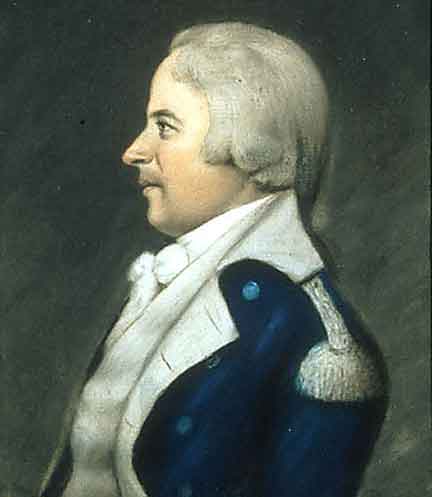
William Hull (1753-1825)
Hanging is a most awful business, one easily bungled, especially without the presence of a quick-drop platform or an expert at positioning the noose. Still, it was a method that had been cultivated amongst civilized societies to be an instant and tidy form of execution. Hangmen were masters of their grim craft and, in the case of a typical court-martial, an expert would be employed to execute the sentence. No such bare-minimum consideration was afforded Nathan Hale. He was made to climb a ladder which would then be kicked out from under him, a rope was thrown over a nearby branch, and his hangman was a recently freed slave with no experience in minimizing the agony of the executed.
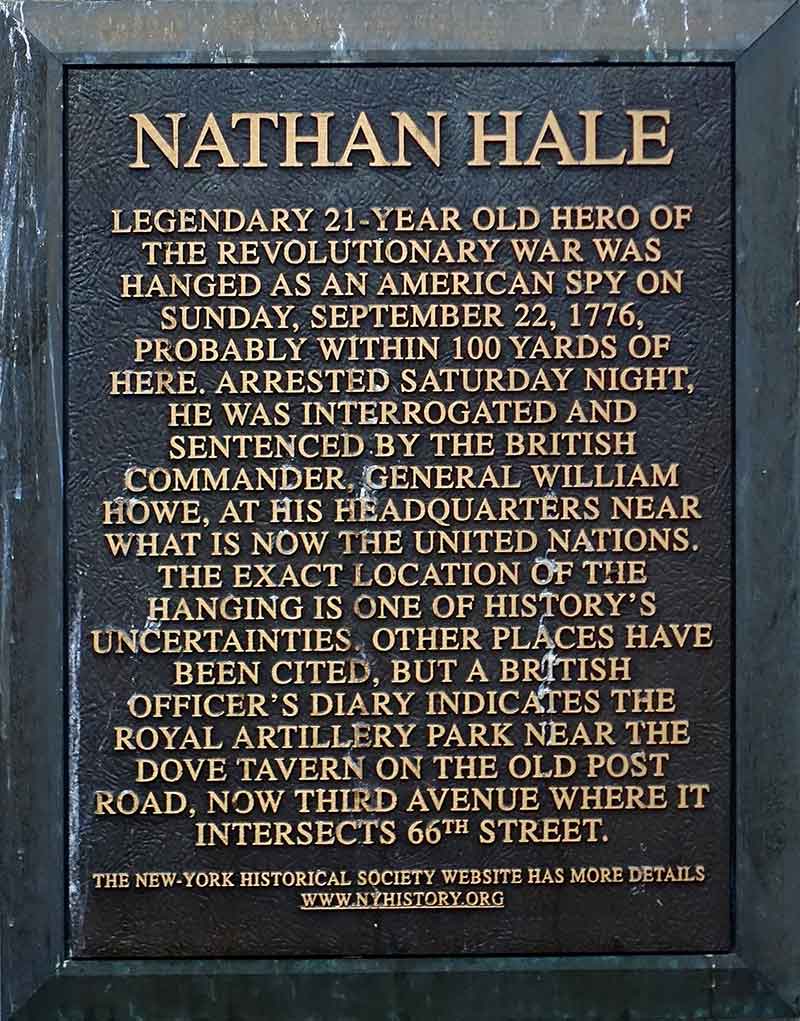
A plaque memorializing Hale’ sacrifice, near the site where it took place
These gruesome details are not relayed in any way to distress readers unduly, but they are what reached the ears of Washington and Hale’s distraught family when word of his sacrifice spread. They are the ugly realities of the cost exacted of patriotic men and women for our liberty. Hale’s body was left hanging in Manhattan as an example and a deterrent for three days beside a disfigured effigy of Washington, until he was cut down by a slave and buried in the unmarked grave beside the tree.
Nathan Hale never saw the army he served win a campaign; he never saw the city he had entered in disguise fall back into American hands, his country unoccupied, or the Constitution adopted. At twenty-one, as a schoolmaster turned captain, engaged to be married, beloved by his family, Hale submitted to what Providence required of him and spent his last breath telling the men who killed him to be ready for a greater Judge than General Howe. In this way, he became a symbol of the American Spirit and a testament to the merit of dying well, with his legacy long outlasting his career.
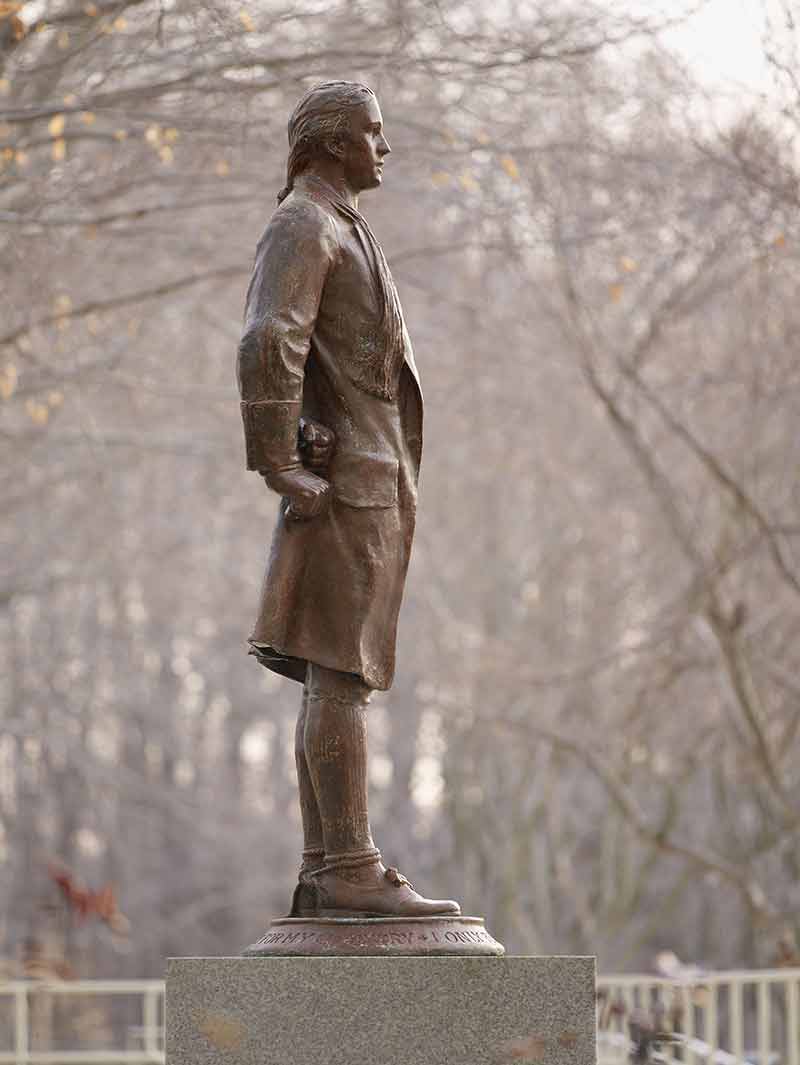
Monument to Nathan Hale
Image Credits: 1 Nathan Hale Homestead (wikipedia.org) 2 Joseph Addison (wikipedia.org) 3 Hale’s Commission (wikipedia.org) 4 Seal of the United States Army Military Intelligence (wikipedia.org) 5 Robert Rogers (wikipedia.org) 6 Roger’s Rangers (wikipedia.org) 7 Beekman House (wikipedia.org) 8 Hale’s Execution (wikipedia.org) 9 William Hull (wikipedia.org) 10 Memorial Plaque (wikipedia.org)