The “Munich Massacre” at the Olympics, 1972

2023-09-11T13:43:29-05:00September 8, 2023|HH 2023|

“Whoso sheddeth man’s blood, by man shall his blood be shed: for in the image of God made he man.” —Genesis 9:6

The “Munich Massacre” at the Olympics, September 5-6, 1972

Islamic countries, especially the Arab nations, have never accepted the State of Israel as a legitimate member of the family of nations. Israel has fought and won eight recognized separate wars since 1948 to maintain their independence. They have also been the targets of numerous terrorist acts and are recognized by only 165 out of the 192 member countries of the United Nations. Israel’s defensive capabilities are legendary, including responses to terrorism and random missile attacks. On September 5, 1972, a Fatah terrorist organization known as Black September conducted a raid on the Israeli national Olympic team in the Olympic village in Munich, Germany, and killed eleven athletes. Israel held the planners and perpetrators accountable.


Procession of athletes in the Olympic Stadium during the 1972 Summer Olympics, Munich, Germany

The XX Olympiad had begun on August 26, the first to be held in Germany since Hitler’s 1936 extravaganza. Hoping to show the world their full return to the community of nations and repudiation of their Nazi past, the German security forces were to be unarmed, unobtrusive and non-confrontational. At 4:30am on September 5, a hit team of Palestinian assassins dressed as athletes, scaled the fence around the Israeli compound and, using stolen pass keys, slipped into the Israeli dormitory. They were confronted by wrestling coach Moshe Weinberg and a referee, Yossef Gutfreund. Weinburg was wounded and forced to lead the terrorist team to the other dorm rooms. The shooters bypassed Room Two, perhaps aware that it contained the Jewish shooting team and they might not fare well in a close encounter with some of the best marksmen in the world at the beginning of their attack. Two wrestlers fought back and were gunned down. Nine hostages were taken.


Israeli hostages Kehat Shorr (left) and Andre Spitzer (right) talk to West German officials


The operation by Black September was nicknamed “Iqrit and Biram”, after two Palestinian Christian villages (seen above L-R) whose inhabitants were expelled by the Israel Defense Forces (IDF) during the 1948 Arab-Israeli War

The Palestinians demanded the release of Fatah terrorists held in Israeli jails, as well as two members of the European terrorist network headquartered in France, popularly known as the Baader-Meinhoff gang of the “Red Brigades.” They wanted a plane to fly them and the hostages to a friendly Arab country in the Middle East. While negotiations proceeded and a billion people around the world watched the entire episode unfold on television, the Germans planned a rescue mission, deciding at the last minute to stand down their army hostage rescue team. At 10:00 p.m. the bound and blindfolded athletes were taken to waiting helicopters and flown to a nearby airbase and the awaiting Boeing 727 that would take them to the Middle East.


Front view of Connollystraße 31 in 2007—the window of Apartment 1 (where the first confrontation occurred) is to the left of and below the balcony

The German police set up an ambush in the wrong places, and had no radios, trained snipers or proper rifles. The German constitution prohibited the Army from assisting the police. The plane was filled with seventeen police officers, all of whom left their post before the arrival of the helicopters. Armored cars that were supposed to assist in the assault were stuck in traffic. When the helos arrived, two Arabs ran up the ladder to the plane, recognized the ambush, and opened fire on the police. In the immediate shootout that followed, two terrorists and one policeman were killed. They tossed a grenade into one helicopter, killing all but one of the hostages, and machine gunned the other helicopter, killing the rest.


A damaged helicopter at Fürstenfeldbruck, a NATO airbase, in the aftermath of the ambush

When the armored cars finally arrived in the darkness they opened fire without knowing the situation and struck down two of their own men. When all was over, five terrorists were dead and three captured. The Israeli Olympic team lost eleven members. Less than two months after the massacre, Black September terrorists hijacked a Lufthansa passenger plane and demanded the three incarcerated Palestinians be released. The German authorities quickly assented and the killers were welcomed in Libya as heroes.


Golda Meir (1898-1978)—born Golda Mabovitch to Ukrainian Jewish parents in Kiev—was the only female Israeli Prime Minister (1969 to 1974), and after the incident in Munich authorized the retaliatory “Operation Wrath of God” which would continue for as long as 20 years and result in multiple bombings and massacres of both military and civilian Palestinians

In the aftermath of the Munich massacre, Israeli Prime Minister Golda Meir authorized a clandestine operation known “The Wrath of God” to find and assassinate everyone involved in the terrorist operation, both organizers and operatives. The Israeli teams secretly penetrated the terrorist networks operating in Europe: The Red Brigades, The Irish Republican Army, Black September and the others, gathering intelligence on the whereabouts of the perpetrators. Mossad—Israel’s secretive and hyper-competent foreign intelligence agency—put together teams with experts in explosives, forgery, weapons, and logistics, which operated for seven years until the last accessible target fell by car bomb in Beirut, Lebanon in 1979. The incredible aftermath of vengeance by the Mossad agents has been depicted on film and in books, but the full story probably cannot be publicly known.

Whitman Mission Established, 1846

2023-08-28T11:13:35-05:00August 28, 2023|HH 2023|

“Then Jesus said to his disciples, ‘If anyone wishes to come after me, he must deny himself, and take up his cross and follow Me. For whoever wishes to save his life will lose it; but whoever loses his life for My sake will find it.’” —Matthew 16:24, 25

Whitman Mission Established, August 30, 1846

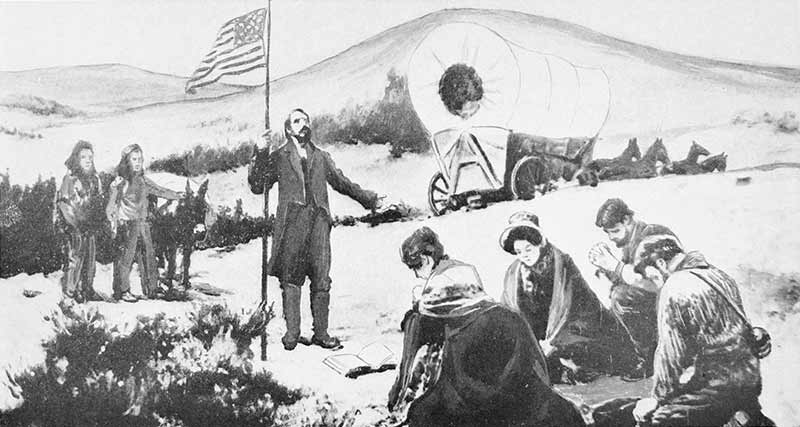
Every state is allowed to install two memorial state representative images in Statuary Hall in the United States Capitol. In 1953 the State of Washington set up a beautiful bronze statue of a frontiersman in buckskins with a Bible under one arm and his saddlebags under the other. The statue represents the Presbyterian missionary Marcus Whitman, an intrepid and skilled frontier doctor and preacher of the Gospel. He blazed a trail to the Oregon Territory, where he brought the Word of God to the Nez Perce and Ojibwa tribes. On August 30, 1846, he and his new wife Narcissa began their ministry to the latter tribe. The following year they were martyred along with twelve other settlers, near Walla Walla. In 2021, Governor Jay Inslee signed legislation to remove his statue in Washington, D.C. and replace it with that of a Native American “environmental activist.” Away with the hegemonic white supremacist Bible-thumper!
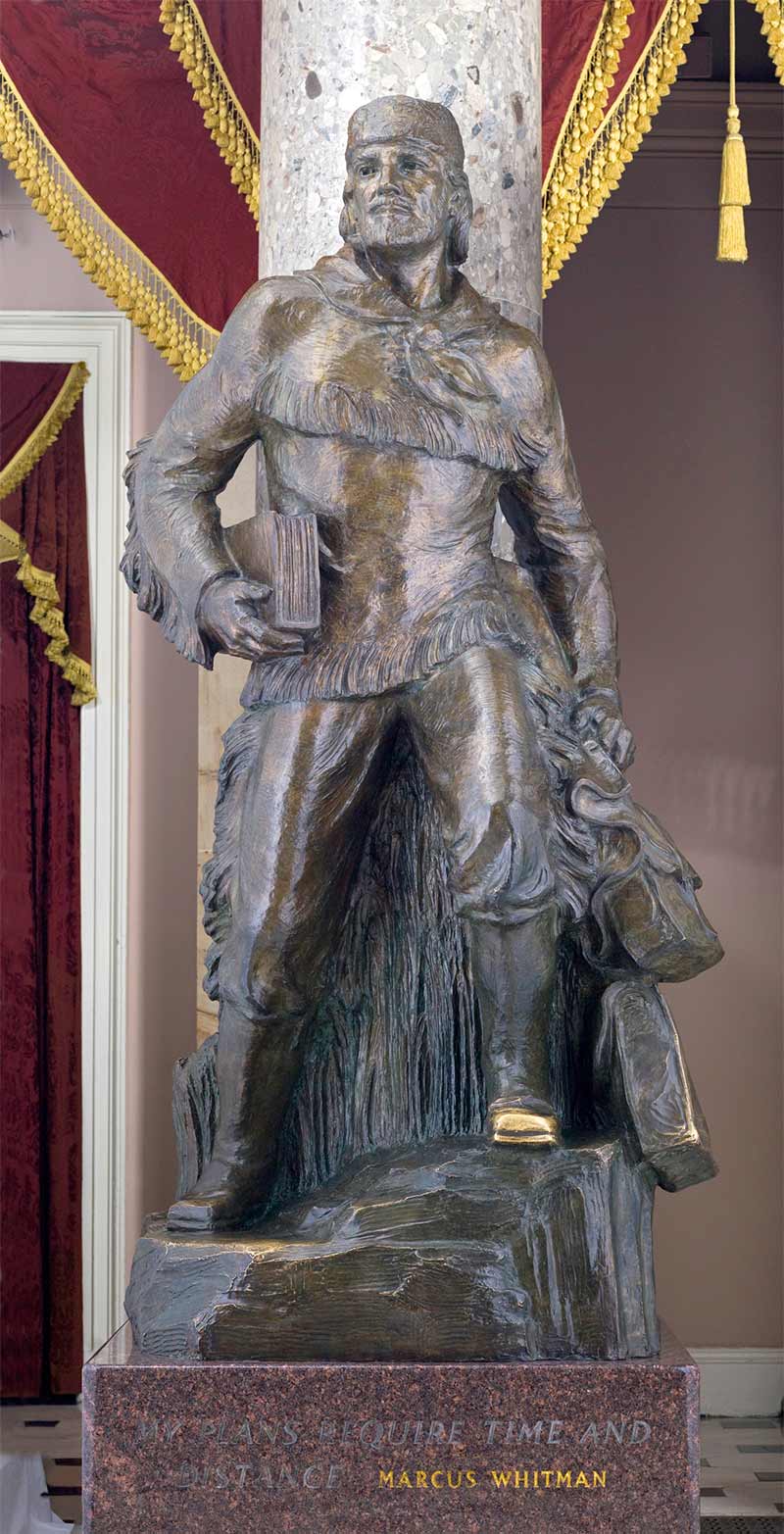
Marcus Whitman bronze memorial by Avard Fairbanks, given in 1953, as shown in the National Statuary Hall, U.S. Capitol, 2011


The Whitman Mission is established

Whitman was born in 1802 in western New York, and after the death of his father Beza, he was sent to Massachusetts to live with relatives. He believed he was called of God to preach, but was too poor to attend seminary. Instead, he received medical training to pursue a career of service. He apprenticed with a doctor and was awarded a medical degree from Fairfield Medical College. After attaining his MD, Marcus set up a medical practice and became a church elder. In 1835 he joined missionary Samuel Parker and travelled to the far west to assist in bringing the Gospel to the Nez Perce and providing medical help to trappers during an outbreak of cholera.


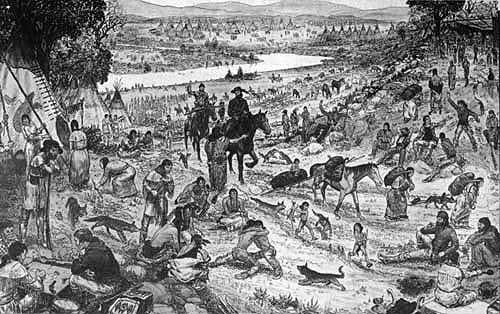
The Rocky Mountain Rendezvous was an annual rendezvous, held between 1825 and 1840 at various locations, organized by a fur trading company at which trappers and mountain men sold their furs and hides and replenished their supplies

The following year, Whitman married Narcissa Prentiss, a physics and chemistry teacher who believed that God had called her to the mission field, but was denied because she had no husband. Marcus fixed that problem and they began preparations to journey to the Northwest Territories. They adopted eleven orphaned children with the surname of Sager and established a boarding school for settler’s children. Whitman joined a wagon train of fur traders heading for the Rocky Mountain Rendezvous, establishing several missions along the way, ending eventually in the Blue Mountains, near modern Walla Walla, in Cause tribal territory. Narcissa became the first white woman to cross the Rockies; they farmed and provided medical care and learned the native languages, as well as establishing a school for native children.


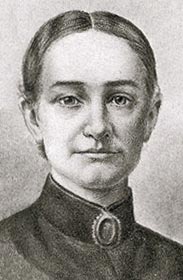
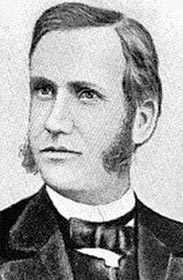
Marcus Whitman (1802-1847)


Narcissa Whitman (1808-1847)

In 1842 Marcus Whitman returned to the east and accompanied wagon trains of “the great migration” westward again, establishing the “Oregon Trail” for future homesteaders. With the influx of new settlers came diseases that sometimes devastated native populations, who had no immunity to European maladies. In one such epidemic of measles, many of the Cayuse died, especially children. The Whitmans tried to nurse the sick and comfort the dying, but half of the Cayuse died nonetheless. According to ethno-historians, in the Cayuse culture, when a member of the tribe died under care of a medicine man, the family had the right to kill him. They apparently blamed the Whitmans for bringing the disease that could not be healed, and slaughtered the missionaries and twelve other settlers, kidnapping many women and children, and adopting some of them into the tribe to replace their losses. In the “Cayuse War” that followed, five men of the tribe were hanged for murder.


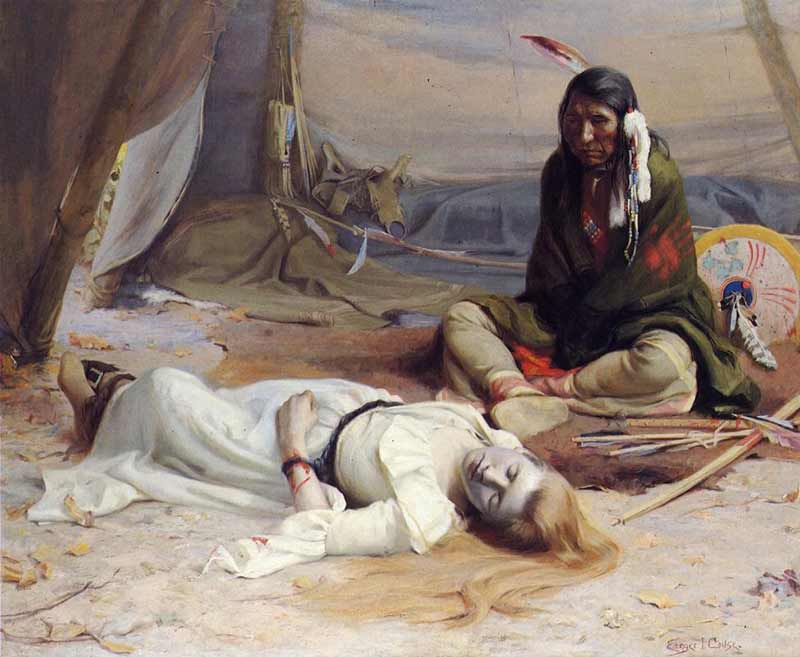
During the Whitman massacre, many captives were also taken, among them 17-year-old Lorinda Bewley, shown here with her captor, Five Crows, who spared her life in hopes of taking her as his wife


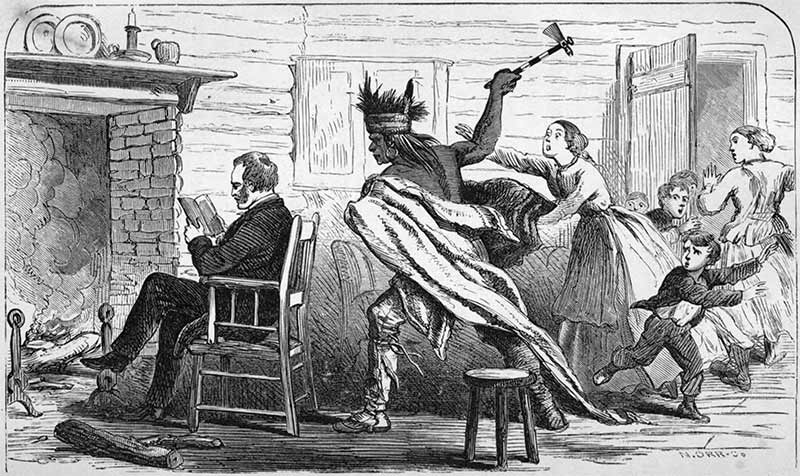
The massacre of Marcus Whitman and his fellow missionaries

The mission continued and the martyred Dr. Whitman and wife were praised and memorialized with Whitman College, the naming of schools, streets and a national park. There are three monuments to Dr. Whitman, but the one in Washington, D.C. has fallen victim once again to intolerance, superstition, and the war on Christianity.


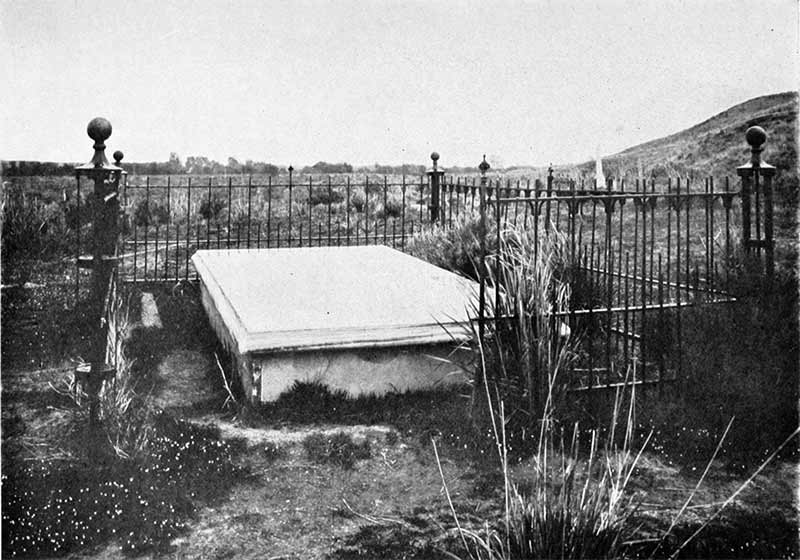
The grave of Marcus and Narcissa Whitman and the other victims of the Whitman Mission Massacre, including several of the seven Sager children whom the Whitmans had adopted after they were orphaned along the Oregon Trail

First Africans Brought to Jamestown in Virginia, 1619

2023-08-21T19:49:46-05:00August 21, 2023|HH 2023|

First Africans Brought to Jamestown in Virginia, August 20, 1619

On August 18, 2019, reporter Nikole Hannah-Jones of The New York Times Magazine launched a revolutionary program to rewrite American history by cancelling the story of the founding of American liberty and equality and replacing it with a fictional America of oppression and “slavocracy.” Instead of thirteen former colonies establishing a Confederacy of independent states in 1776, then an independent Republic in 1789, the real founding date was August 20, 1619 when the first Africans came ashore as chattel slaves in Jamestown, Virginia. The providential story is far more interesting and complicated than even a feverishly woke harridan of the politically correct mob could conjure.
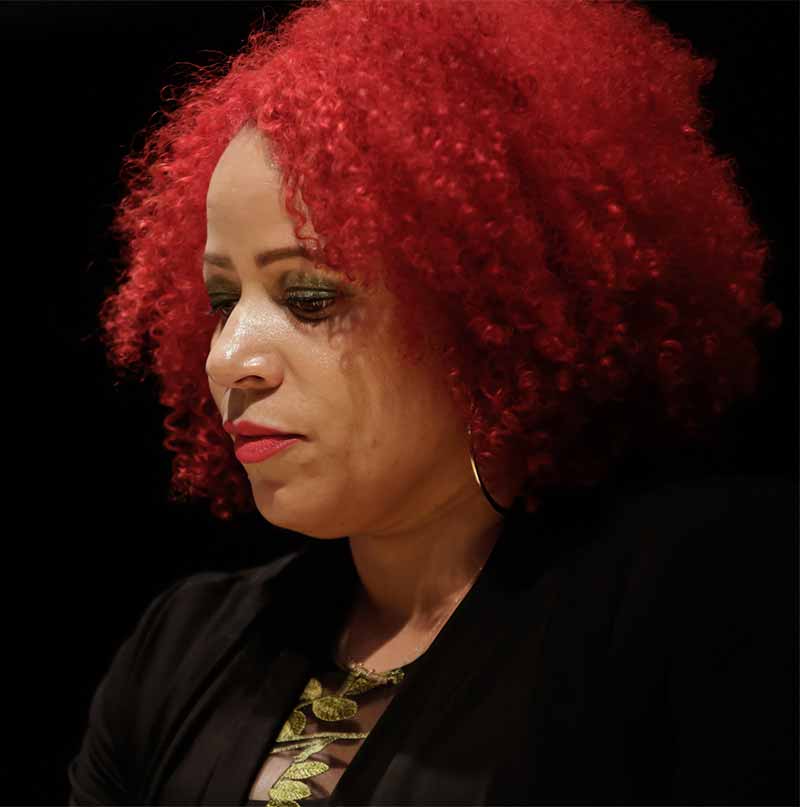
Journalist Nikole Hannah-Jones (1976-)


A map showing the African to Americas slave trade routes, numbers, destination countries, and their exports

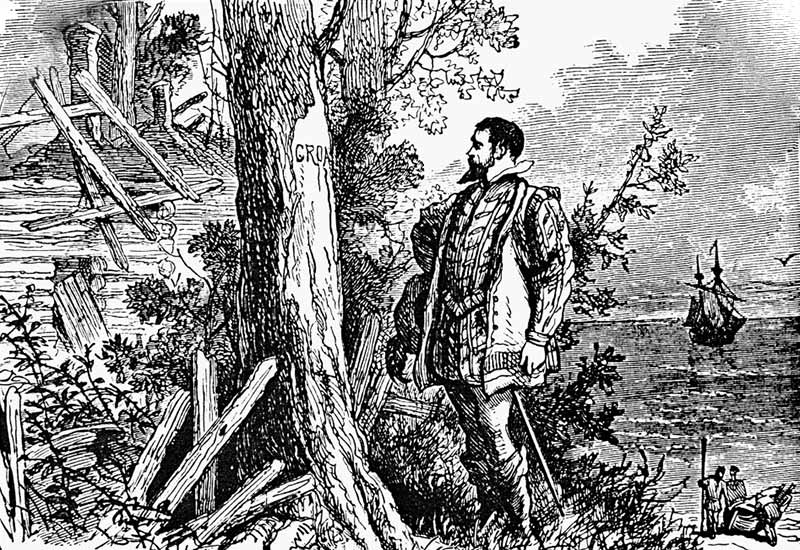
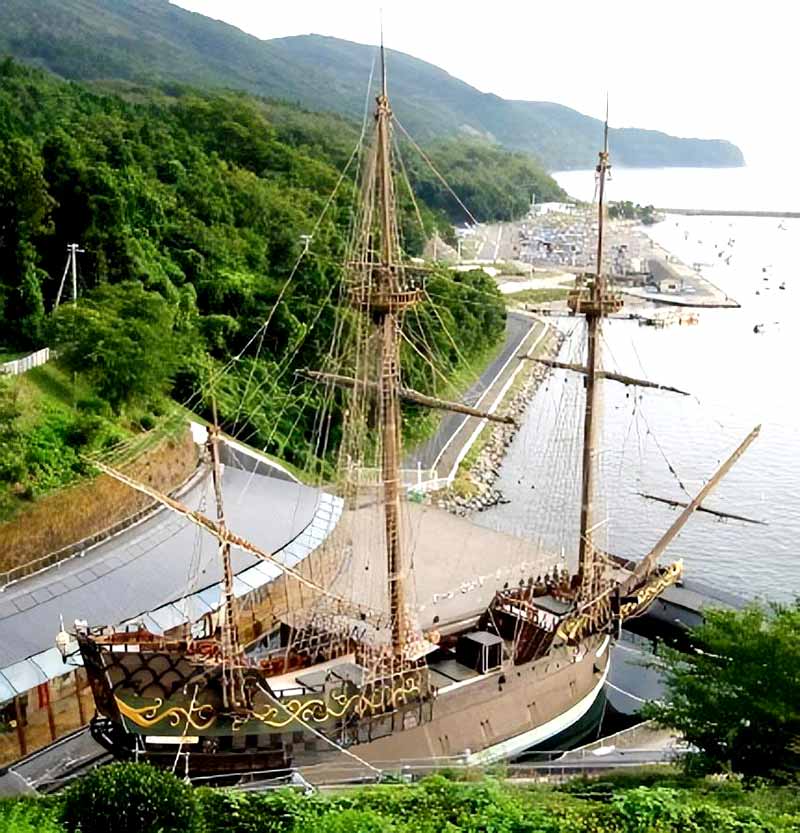
England’s King James I, in order to keep peace with the Spanish after a century of conflict, prohibited maritime entrepreneurs from conducting raids on Iberian shipping in the Atlantic Ocean. Nonetheless, certain ship captains continued receiving letters of marque from other European countries such as Holland, to conduct illegal privateering ventures among the Caribbean islands and American coastlines. Captains of two such English ships, the Treasurer and the White Lion, (the latter of which fought against the Spanish Armada and later evacuated settlers from Roanoke Island), apparently assumed their chances of profit and success were worth the risks. In the summer of 1619 they attacked the Spanish slave frigate San Juan Bautista in the Gulf of Mexico, no doubt hoping the ship contained profitable cargo. To their surprise, and no doubt disappointment, they came away with sixty or so Angolans, a burden they neither sought, nor wanted. They sailed to the first permanent English-speaking colony in the New World to rid themselves of the couple dozen Africans still aboard after the death of or trading off of the rest.


John White at the ruins of the Roanoke colony, 1590


A replica of the frigate San Juan Bautista

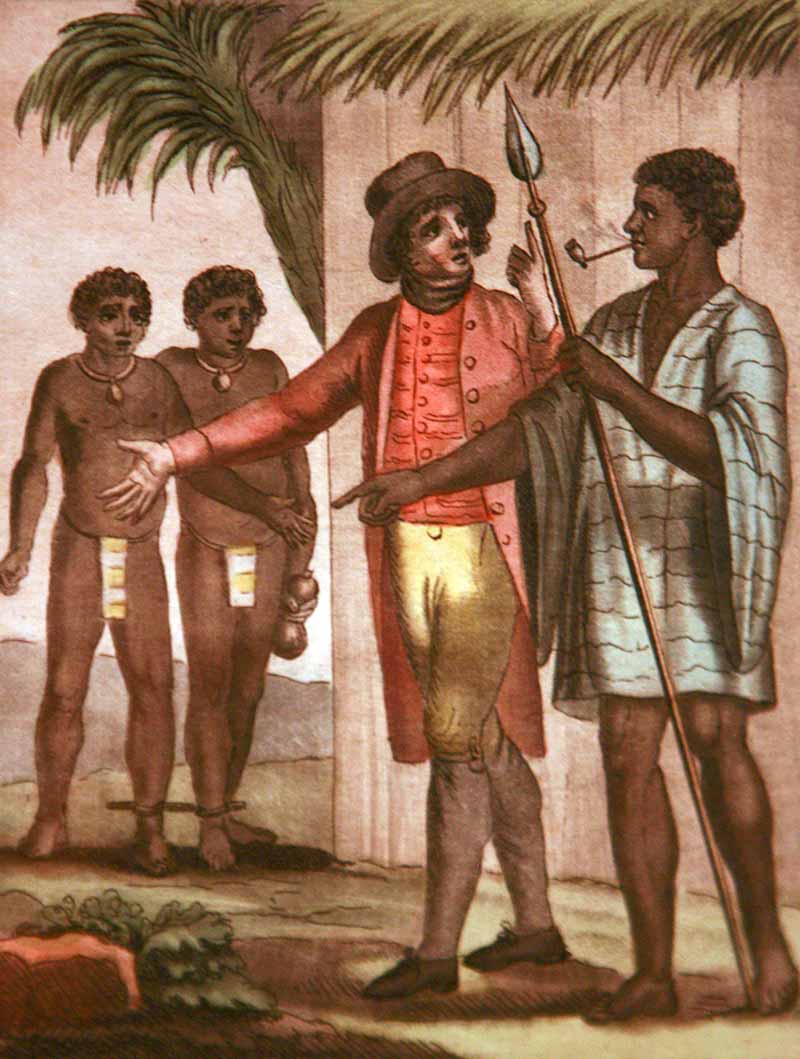
The Portuguese had established ports of call and trade relations along the coast of the African Congo in the late 15th and early 16th Century. A vigorous slave trade already existed and had for centuries in various parts of Africa, led by Muslim slavers and aggressive African tribes. As Islam spread below the Sahara and into tropical Africa, the Portuguese and later the Spanish, in the 16th Century, bought slave-laborers for their new islands and land acquisitions in their respective burgeoning empires in the Western hemisphere. The Ndongo tribes of the Congo region learned Portuguese and converted to Roman Catholicism, but they managed to repel the Portuguese attempts to overrun and conquer them. In general, the Ndongo were excellent cattlemen and extraordinary crafters of jewelry and textiles. At the time of our story, Spain had taken over Portugal and picked up much of their slave trade along the African Coast. They also brought the Spanish Inquisition to the more tolerant Portuguese, and accused the Lisbon government of harboring Jews in Mpinda, the base of operations in the Congo. The Portuguese moved their trading capitol 150 miles further south to Luanda, bringing them closer to their African slave-trading partners, as well as the Ndongo tribe.


An African slave-trader and a European slave-trader discuss a couple of slaves


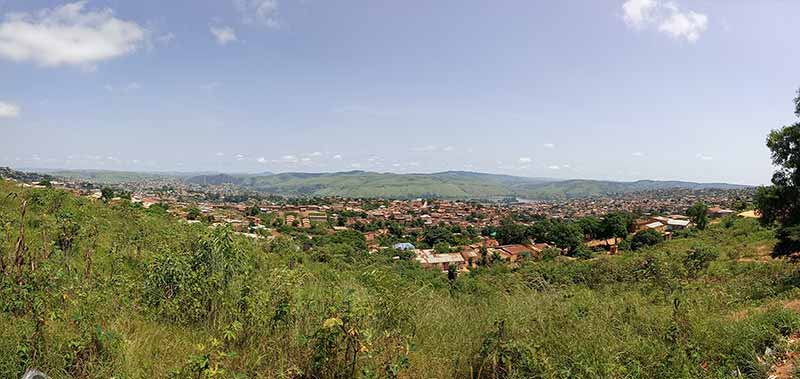
A valley in former Mpinda (now called Soyo) in the province of Zaire in Angola, at the mouth of the Congo River

By 1617 a convergent series of events struck hard at the Ndongos. A civil war broke out within their nation; secondly, a tough army of mercenaries known as the Imbangala appeared on their borders; and a slave-labor shortage in the Caribbean—along with the Spanish policy of allowing their governors to take a share of the slave trade proceeds—created a demand for increasing the acquisition of captives. The Portuguese Governor allied with the roving Imbangala cannibals (well known for the ruthless slaughter of their enemies), took conquered young men into their army, and seized captives to be sold into slavery. Governor Vasconcelos led the combined Portuguese army (with artillery) and the Imbangala into an attack into the highlands of the Ndongos. Their regular army was elsewhere fighting the civil war, but a call went out to the militias and fearless lion-hunting herdsmen of the tribe to bring their spears, axes, and bows and arrows to repel the enemy. The European guns in the end, after a bitter struggle, overcame the valor of the Ndongos and many were captured, to be sent into the slave pipeline which led to America. And thus, the Bantu-speaking Africans with Portuguese names came to Jamestown, Virginia aboard English ships in August of 1619.


Luís Mendes de Vasconcellos (1542-1623) Portuguese colonial Governor of Angola from 1617 to 1621

The sponsor of the piratical ships, Lord Rich, had sent his captains to the Caribbean to raid the Spanish Main and to operate out of Jamestown, in direct disobedience to the orders of King James. Governor Yeardly took half of the Bantu men and women, and Abraham Piersey—a local merchant-planter—took the other half to work his plantations. By 1624, those Angolan experts in crops and cattle turned the Piersey’s property into the first two successful financial ventures in the colony. They diversified the crops from just tobacco, became weavers, tanners, cattlemen and perhaps iron workers, skills that came with them from Africa. The Africans were not at once given the same status as white indentured servants, but over the next thirty years they pursued their freedom in a number of ways, using their wiles, colonial courts, and the political turmoil their presence engendered, in London and America.


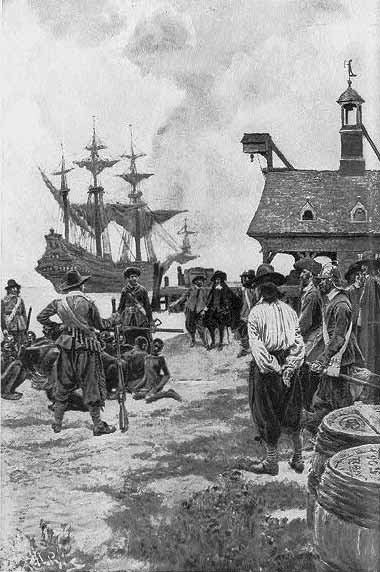
The arrival of the first Africans in Jamestown, Virginia, 1619


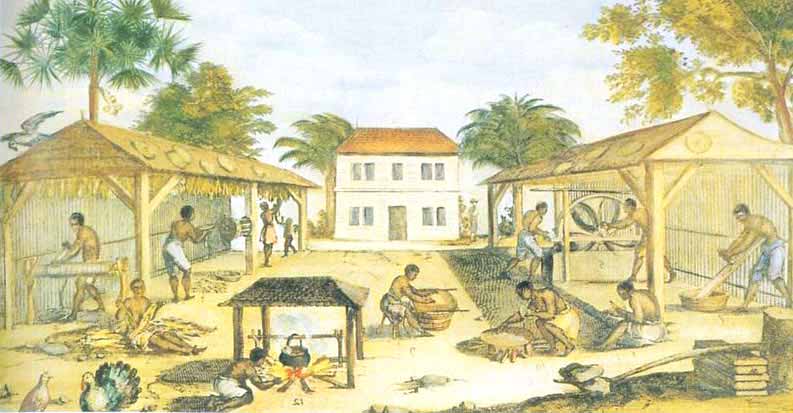
Slaves processing tobacco on a 17th Century Virginia Plantation

Some plantation owners freed their Africans, some of whom became land owners themselves, intermarried with whites and Indians, and, in one case, kept a fellow African as a slave. It is likely that a number of both African and English servants received their freedom by supporting Parliament against King Charles I in the English Civil War. African born Benjamin Doll could read and write English and eventually owned a three-hundred-acre plantation in Surrey County. He married a fellow Ndongo and his son prospered also. Their family has been able to trace their success down through many generations. From that first generation of Africans—with names like Isabel, Domingo, Francisco and Margaret—married and raised families, some of whom moved westward with the expanding colonies. From those first Angolans came future cowboys, planters, lawyers, and a Confederate general. The providential stories of many Americans is one of striving for freedom, achievement, and blessings, even though for some it involved a long voyage chained in the hold of a ship, headed for slavery, but never giving up hope and forging relationships that defied history, which is never neat and always complicated.


Resources for Further Study

  • For further reading we recommend The Birth of Black America: The First African Americans and the Pursuit of Freedom at Jamestown by Tim Hashaw (2007).

Great Britain Grants India and Pakistan Independence, 1947

2023-08-16T15:29:48-05:00August 16, 2023|HH 2023|

“And ye shall hear of wars and rumors of wars: see that ye be not troubled: for all these things must come to pass, but the end is not yet. For nation shall rise against nation, and kingdom against kingdom: and there shall be famines, and pestilences, and earthquakes, in many places.” —Matthew 24: 6,7

Great Britain Grants India and Pakistan Independence, August 13 & 14, 1947

The Mughal Empire ruled most of the Indian subcontinent, Afghanistan, and modern Pakistan and Bangladesh for about 200 years. In the 18th Century, Great Britain established hegemony over much of that Empire beginning in 1747, administered through the East India Company and its loyal Indian satraps known as rajahs. The Raj, or “Hindustan”, as the English typically called India, was also viewed as “the Crown Jewel” of the British Empire. A few thousand dedicated and competent British civil servants backed by the soldiers of the Company and, after 1858, several brigades of the Army, successfully administered the authority over millions of Indians for about 200 years. On August 13 and 14, 1947, Great Britain granted independence to India and Pakistan, leaving the mortal enemies, Moslems and Hindus, to fend for themselves. Chaos and massacre occurred throughout the former Raj, as predicted by the old India hands in the British government.
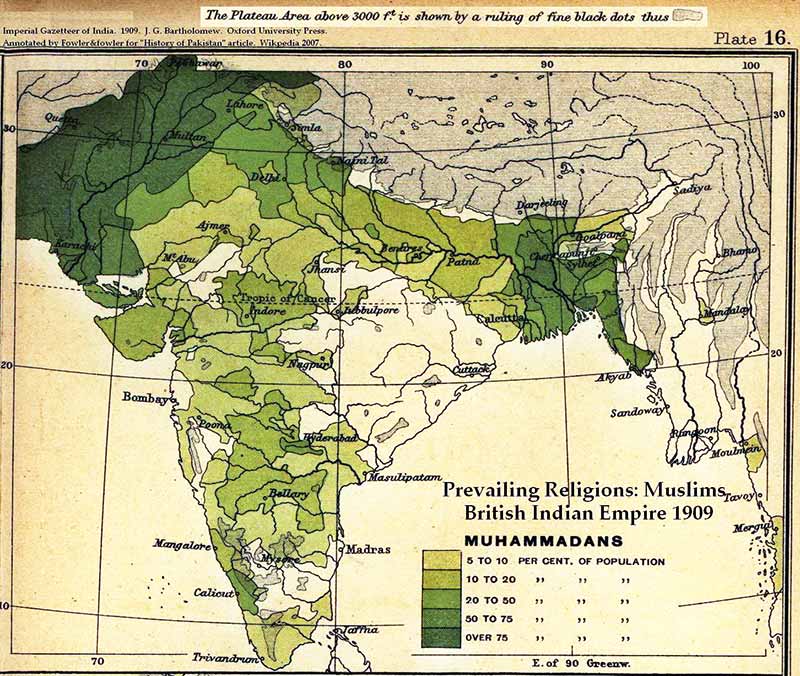
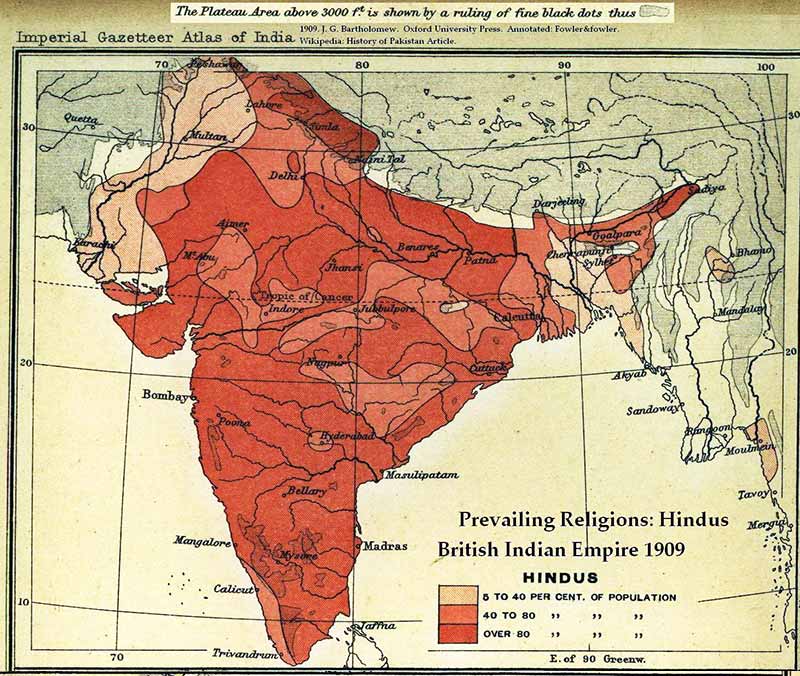
A 1909 Map of India portraying the population density of Muslims


A 1909 Map of India portraying the population density of Hindus

English traders established commercial relations in various regions of India in the 18th Century. The Mughal emperors ruled from Delhi, essentially a Sunni Muslim state. They were in constant conflict with the Maratha Empire, which held political sway over large swaths of the subcontinent, promoting Hindu culture. The East India Company was formed in 1600, initially to manage the spice trade with India. When Indian princes faced succession crises or attempted to increase their holdings, they sometimes allied with the English East India Company, who had their own forces stationed nearby and could step in and make a difference in local squabbles. By the early 19th Century, The Company had secured authority over tens of thousands of square miles, ruling through proxy princes and military conquest of major cities and provinces, forcing the Mughal emperors out of power and defeating the Marathas in three wars. The Company provided day-to-day administration of the “British Possessions” after the Battle of Plassey in 1757 until the British government ousted the Company in 1858.


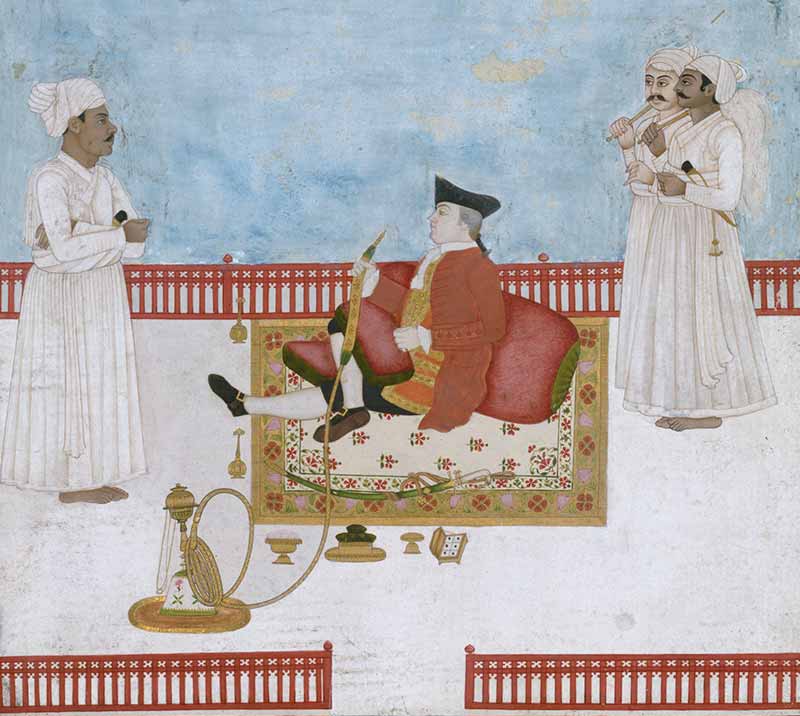
An officer of the East India Company, circa 1760-1764


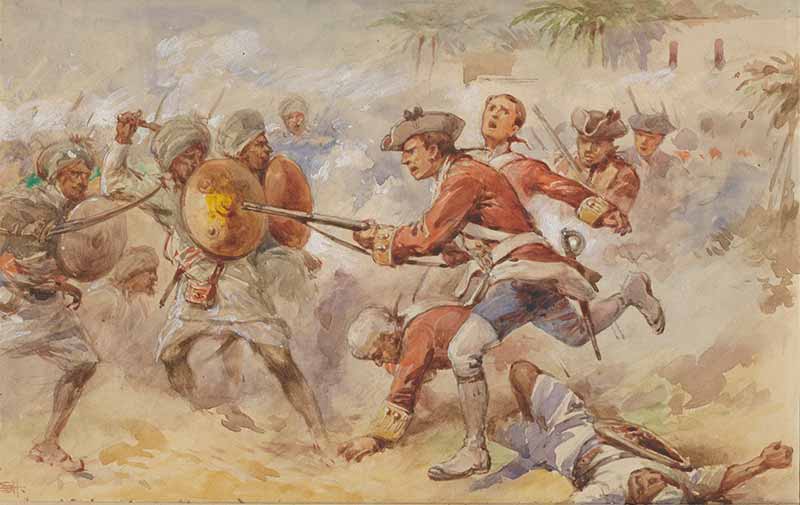
Artist’s depiction of the Battle of Plassey, 1757

In 1857, an uprising of both Muslim and Hindu Indian army units trained by the British, and supposedly loyal to the Crown, exploded in an uprising that resulted in massacres, atrocities, and the deaths of thousands of English and Indians. After brutally suppressing the rising, the British government took over administration the following year with Queen Victoria now proclaimed “The Empress of India.” Known as the British Raj, England ruled over what is today India, Pakistan, Bangladesh, and parts of Afghanistan and Ceylon. They reorganized the army to exclude units of Brahmins and Muslims, replacing them with Sikhs and Baluchis, who had remained steadfast during the rebellion. The 1861 census “revealed that the English population in India was 125,945. Of these only about 41,862 were civilians as compared with about 84,083 European officers and men of the Army. In 1880, the standing Indian Army consisted of 66,000 British soldiers, 130,000 Natives, and 350,000 soldiers in the princely armies.”*


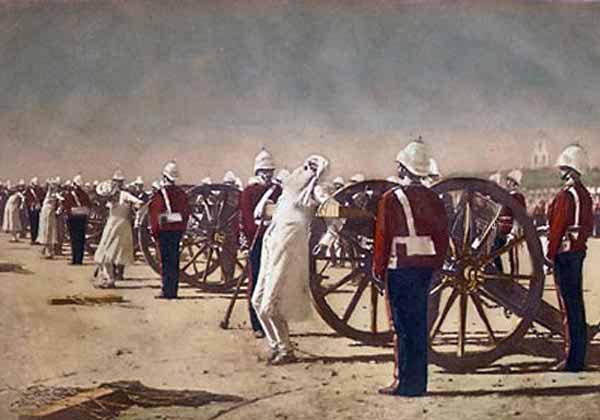
The 1857 mutiny was brutally suppressed and the leaders made an example of by execution


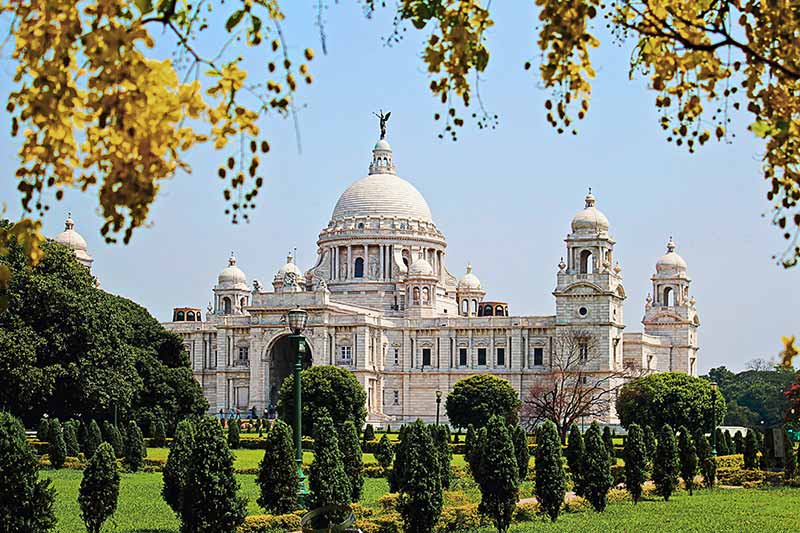
The Victoria Memorial Hall in Kolkata, India—the largest monument to a monarch anywhere in the world, standing in 64 acres of gardens—was built between 1906 and 1921 by the British government and is dedicated to the memory of Queen Victoria, Empress of India from 1876 to 1901

The British instituted reforms, one of which challenged the Church. Believing that the religions and traditions of the millions of Muslims and Hindus were too deeply imbedded and resistant to “social change” and conversion to Christianity—which often resulted in violent protest and riot—the government made it official policy to prevent mission work. Evangelism continued nonetheless, as it had when the Company tried to prevent proselytizing.


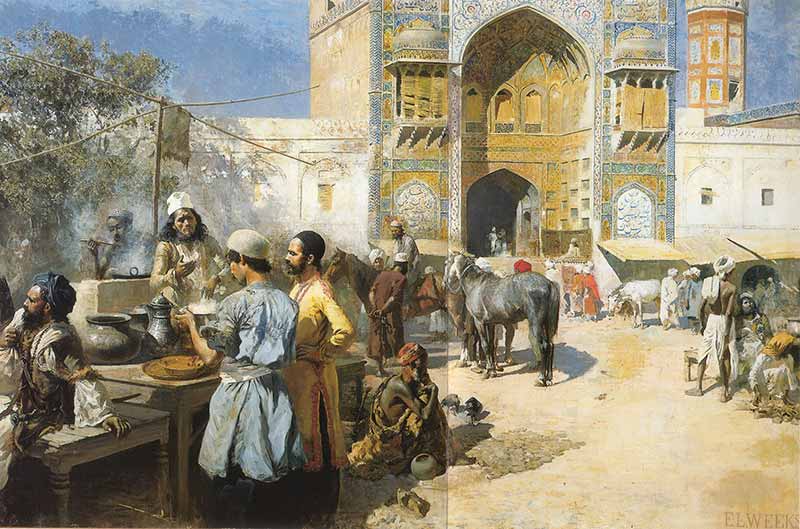
A painting showing an open-air restaurant in Lahore, Punjab, Pakistan, opposite the Wazir Khan Mosque

Britain exported the industrial revolution to India, building railroads, canals, bridges, roads, and establishing telegraph communication across the subcontinent. Much of the cost of “infrastructure” was borne by the Indians themselves, but the upper echelons of control remained in the hands of Europeans. With the sixty-year boom in industry came agricultural change, both good and bad. Food-grains, tea, and cotton flowed into world markets. When parts of India suffered from famine and drought—as had been the case in the past and exacerbated by the export of food in the present, as had happened in Ireland—multitudes of small farmers lost their animals and land from disease and debt; peasants and city-dwellers alike died by the “tens of millions.” Recent historians claim that more than fifty million people died, and blame it all on British imperialism and control of transportation and export, arguments hotly disputed by the older historians of the period.


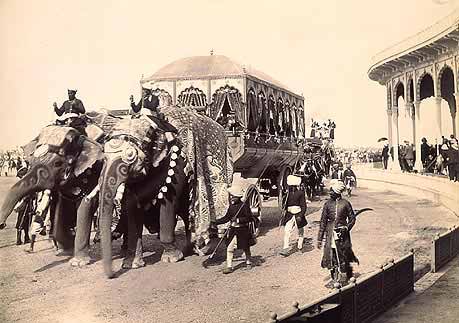
The Delhi Durbar elephant carriage of the Maharaja of Rewa during the Great Durbar of 1902-3, organized by the Viceroy Lord Curzon, and which was as much a celebration of British rule in India as a commemoration of the Coronation of Edward VII, Queen Victoria’s son and successor to the throne of Great Britain, and thus Emperor of India

A huge middle class arose during the period of the Raj and some British viceroys pursued efficiency and reform. By the 20th Century, Indian laborers and soldiers could be found everywhere in the empire. Growing dissatisfaction with British rule in India accompanied the early years of the 20th Century and talk of independence grew accordingly. Home rule leagues grew and leaders such as Mohandas Gandhi stepped forward for reform and independence, particularly during the First World War and the following two decades. Conservative British politicians dug in their heels against dissolution of the empire, but reforms were never enough to quell the nationalist movements advocating independence. Muslim politicians had been given political control over a number of provinces as the movement for independence increased with the prosecution of the Second World War. Military mutinies in India accelerated the machinery of the post-war Labor Government in Britain to move forward with independence and dissolution of the British Empire. Extreme violence broke out between Muslims and Hindus in the Punjab and Bengal, and continued unabated with the transfer of power from Parliament in London to the two new states in August of 1947—India and Pakistan.


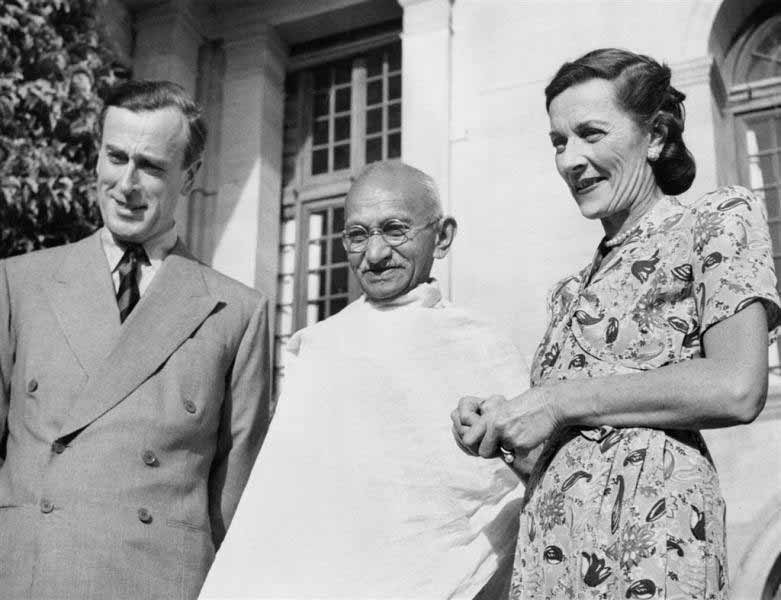
Gandhi in 1947, with Lord Louis Mountbatten, Britain’s last Viceroy of India, and his wife Lady Edwina Mountbatten


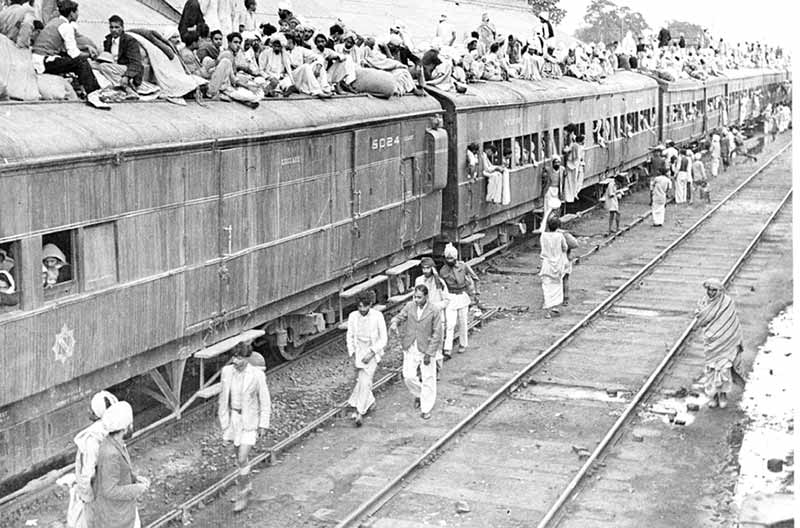
A refugee special train at Ambala Station, Haryana, India during the Partition of India in 1947

Recent demographic and census studies have declared India the most populous nation on earth, or nearly so. They possess a burgeoning hi-tech and medical industry, the sixth largest number of millionaires in the world, the sixth largest number of nuclear warheads, and a continuing stratified population, with millions in almost absolute poverty, speaking twenty-two different languages. India is still home to Muslims (14.2%) and Hindus (c. 80%), with a growing Christian Church of thirty-two million (less than 2% of the population). The first two religions still hate each other and Christians, and prove it from time to time with mortal conflicts. In Pakistan, 96.5% of the people are Muslim. The blessings of independence have come at great cost—a price India and Pakistan accepted as the price of doing business with the world without John Company or Her/His Majesty’s interference.


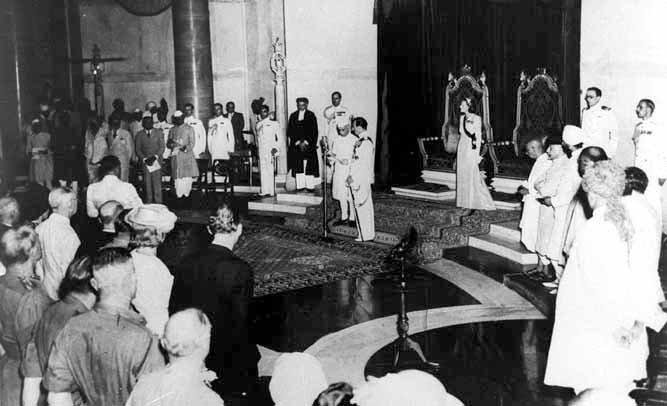
Lord Mountbatten swears in Pandit Jawaharlal Nehru as the first Prime Minister of free India at a ceremony held on August 15, 1947

*Cited in Robinson, Ronald Edward, & John Gallagher. 1968. Africa and the Victorians: The Climax of Imperialism. Garden City, NY: Doubleday

Defeat of the Spanish Armada, 1588

2023-08-07T11:50:36-05:00August 7, 2023|HH 2023|

“Man proposes, but God disposes.” —Isaiah 46:9,10 (paraphrase)

Defeat of the Spanish Armada, August 8, 1588

Adults and children alike complain that history teachers force students to memorize dates and the events therein associated, which “just turn the pupils away from learning history.” They assume such data is boring and irrelevant. Nonetheless, dates and timelines help pin those important past events to their era and help bring understanding to the flow and consequences of providence, as it relates to interpreting the past. In western European history, the year 1588 stands out as a hugely significant year; the Battle of Gravelines on August 8 insured the destruction of the Spanish Armada.
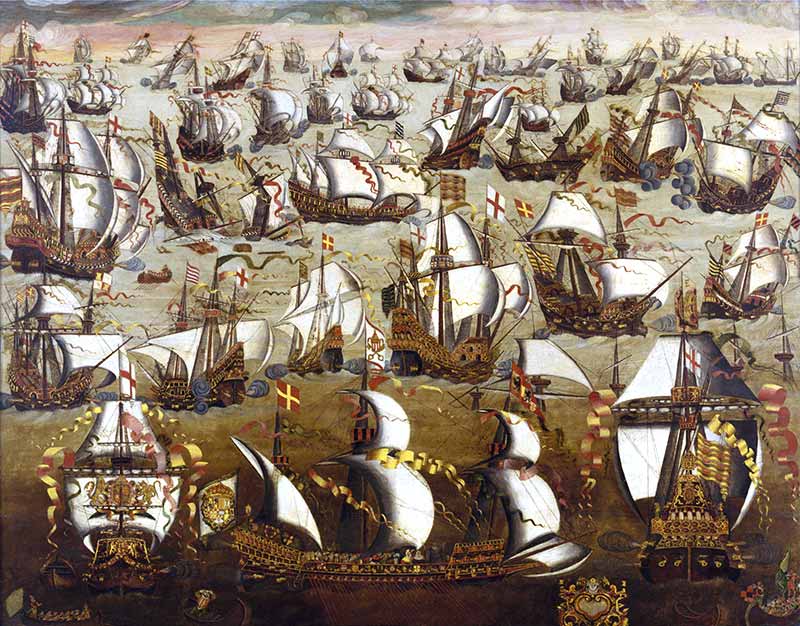
English Ships and the Spanish Armada, August 1588

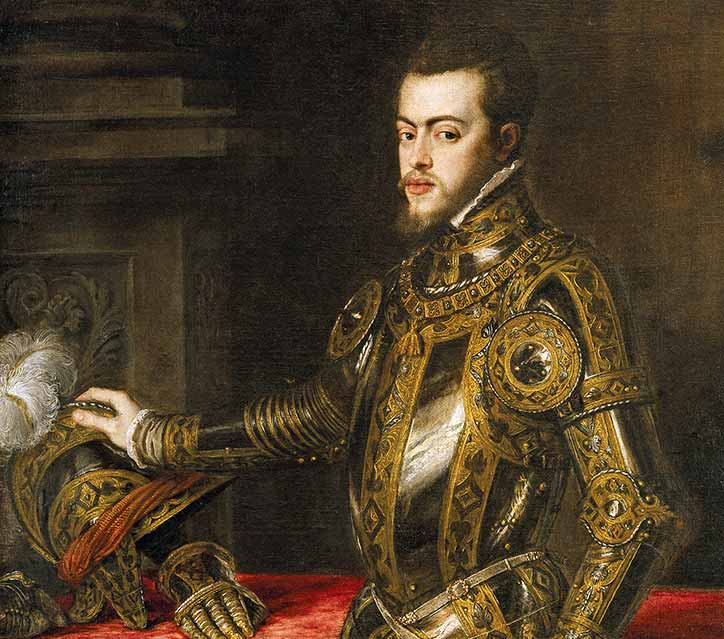
By the middle of the 16th Century, Habsburg Spain had established a global empire and created the only major standing army in Europe. While the Iberians conquered South America, Portugal, and the Caribbean, and consolidated their claims to the Philippines and other stations in the Far East, his “most Catholic Majesty,” King Philip II sent armies to punish and secure his claims to the Netherlands.


Philip II of Spain (1527-1598)

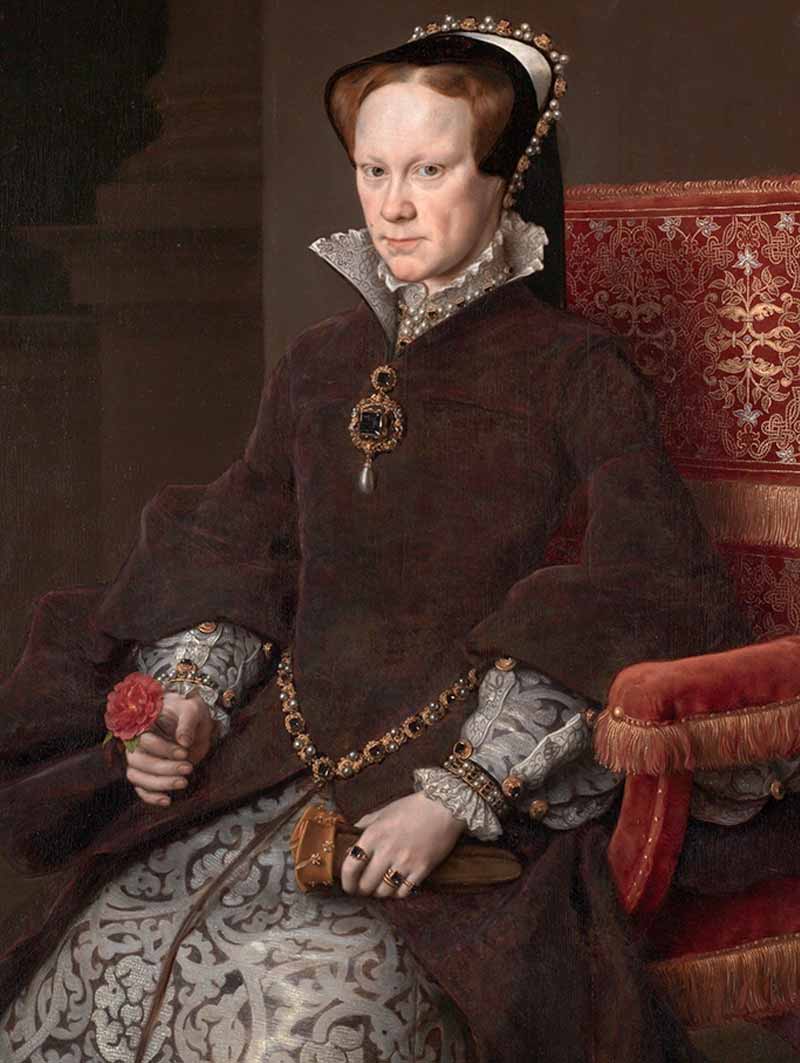
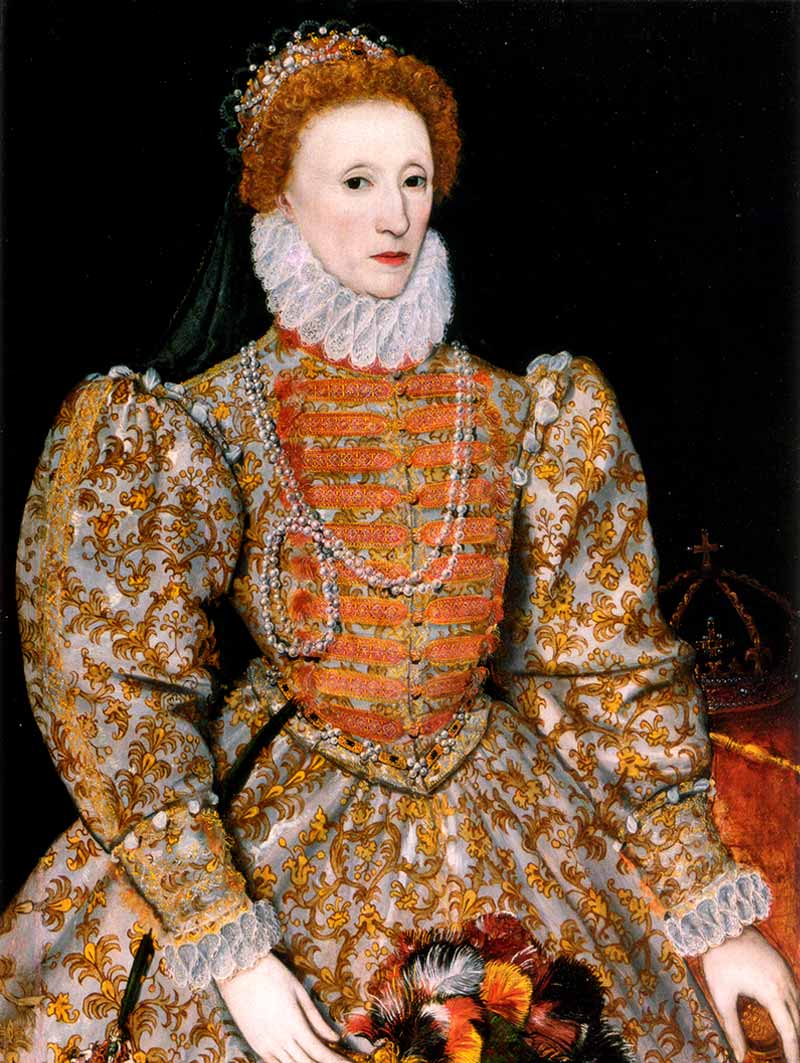
England had fought three wars with France under Henry VIII and had broken with the Papal Church, proclaiming the English King as the head of the Church. Upon Henry’s death and the elevation to the throne of the decidedly Protestant King Edward VI, who ruled from age 9-15, Protestantism was firmly entrenched in English society. Upon his premature death, Edward’s Roman Catholic half-sister Mary Tudor ascended the throne. She attempted to roll back the Protestant Reformation, with the support of the King of Spain, who married her in 1556. Mary sent English forces on a Spanish-inspired, ill-advised military campaign against France, at which time the French seized the Port of Calais, which had been an English enclave for five hundred years. With the death of Mary in 1558 (alas, another date!), Elizabeth became Queen of England and, although not an inveterate enemy of Spain, secretly supported her sea-dogs, like Francis Drake, preying on the Spanish treasure ships, for a share of the loot. The stage was set for Spanish reprisal against England.


Queen Mary I of England (1516-1558)


Queen Elizebeth I of England (1533-1603)

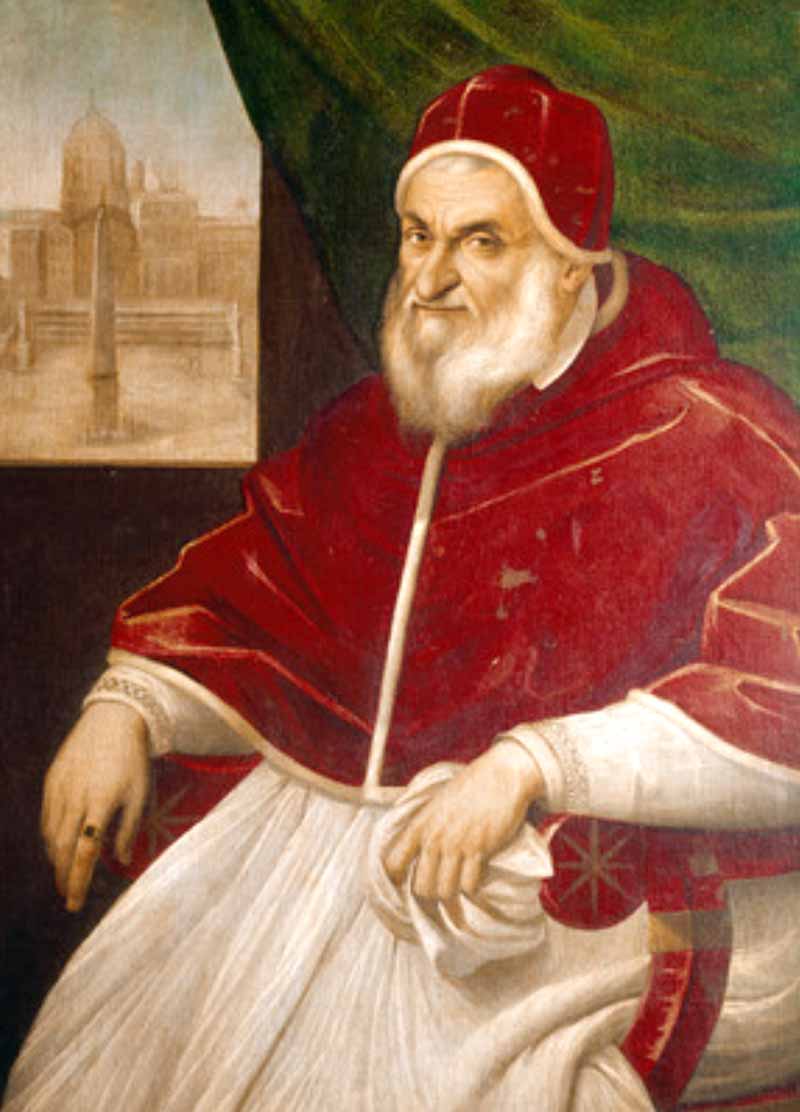
Philip worked secretly to put Mary Queen of Scots on the throne, which in the end, got her beheaded for treason. The Spanish ambassadors worked assiduously to get Queen Elizabeth to embrace Spain’s view of the world and take actions against English pirates, all to no avail. Beginning in 1583, Philip began entertaining the possibility of invading England, after Elizabeth supported the Dutch revolt against Spain and funded more piratical enterprises against Spain’s treasure fleets. Pope Sixtus V signaled his approval of an invasion of England to overthrow Elizabeth, and re-establish the True Faith. Plans got underway to build a fleet of powerful warships to destroy English privateers and to land a Spanish army on the shores of Britain.


Pope Sixtus V (1521-1590)


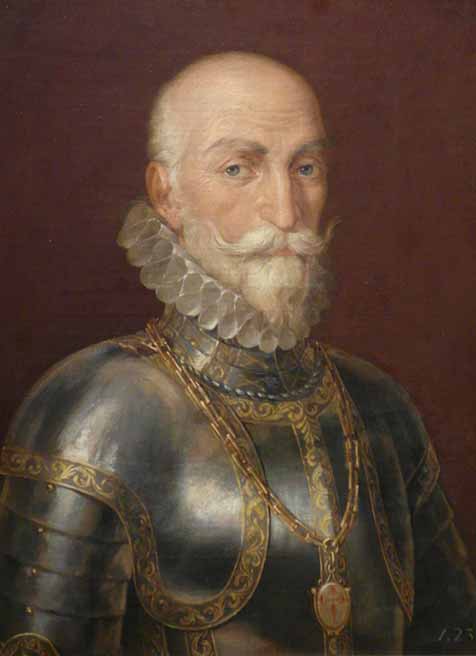
Álvaro de Bazán y Guzmán, 1st Marquis of Santa Cruz (1526-588)


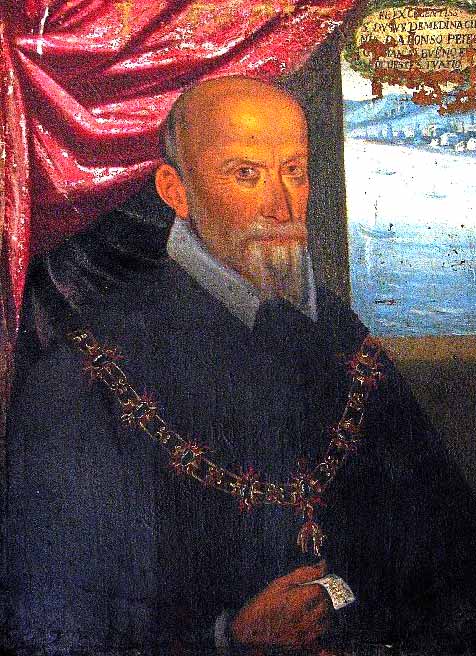
Alonso Pérez de Guzmán y de Zúñiga-Sotomayor, 7th Duke of Medina Sidonia (1550-1615)

Philip chose the veteran warrior Marquis of Santa Cruz to lead the Armada. He died in February of 1588 and was replaced by a man with no naval experience, Medina Sidonia. The pope sent crusade money and indulgences for all the sailors and soldiers embarking on the expedition. Although Medina Sidonia expressed doubts about the enterprise, he was assured that God guaranteed success and Spain completed the Armada. Spain sailed 141 ships with 2,500 guns, and almost 10,000 sailors and 20,000 infantry for the shores of England. 30,000 more soldiers were mustered in the Netherlands for the invasion.


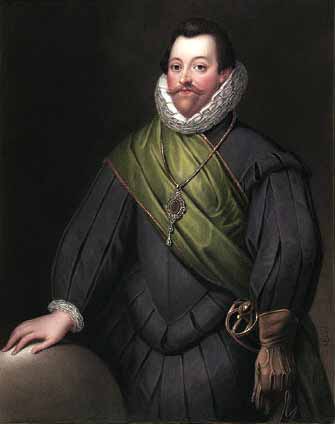
Sir Francis Drake (c. 1540-1596)


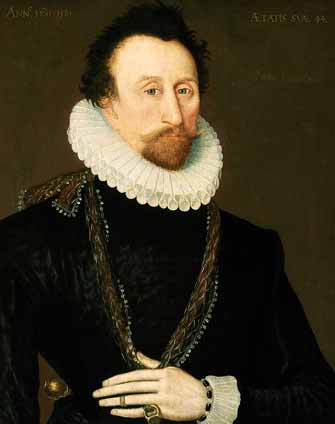
Sir John Hawkins (1532-1595)

One hundred twenty-two ships managed to reach the English Channel and they were met by 226 English ships, only 34 of which were part of the “Royal Fleet.” Many of the rest were privateers, led by Sir Francis Drake and Sir John Hawkins. The English ships were lighter and faster but out-gunned two to one by the lumbering wooden castles, deemed by the captains and Spanish dons, invincible!

The basic tactics of the Spanish naval engagement called for a round of artillery fire, close the gap with the enemy, and board their ships with marines and soldiers to overwhelm them in hand-to-hand combat. In order to prevent boarding, the English ships, much quicker and lighter, would pound the enemy with artillery and keep moving, hoping to hole the big ships below the waterline and cause as many casualties as possible by raking the decks with cannon fire.


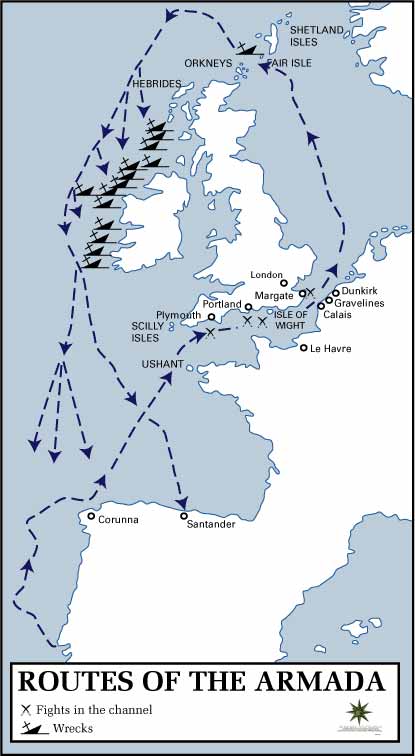
Route of the Spanish Armada


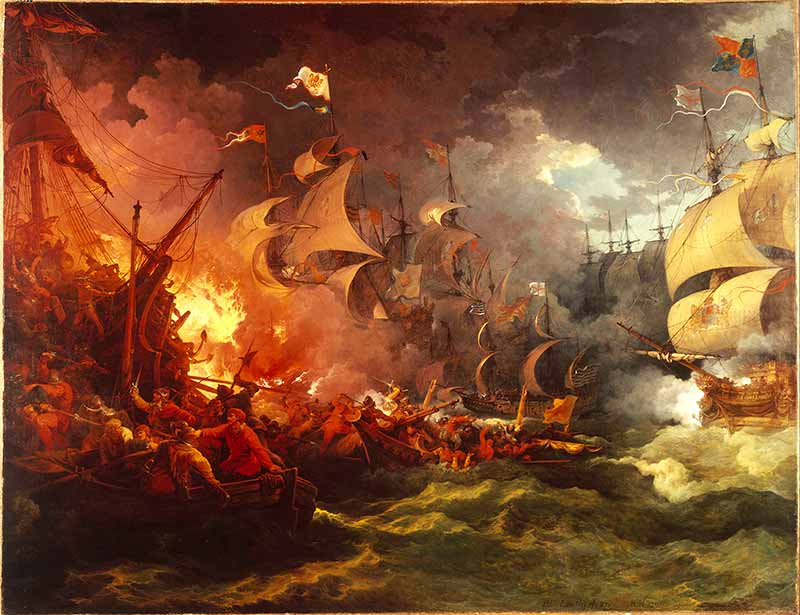
English fireships terrorize the Spanish Armada

The English sighted the Spanish fleet off Plymouth on July 29. As the tide turned, fifty-five English ships emerged from the harbor and engaged the Armada for the first time on July 31, avoiding close-quarters combat, neither side losing a ship. They re-engaged on August 1 off Portland, this time the Spanish losing several ships in accidental collisions and two captured. On August 1, the Armada anchored off Calais in a tight formation, expecting the Spanish army of Flanders to join them there. In the middle of the night of August 6 to 7, the English set alight eight fire-ships filled with pitch, tar, gunpowder, and brimstone, and turned them loose among the closely packed Armada. Most of the fleet cut their anchors and scattered. With the Armada out of fighting formation, the English attacked the next day off Gravelines.


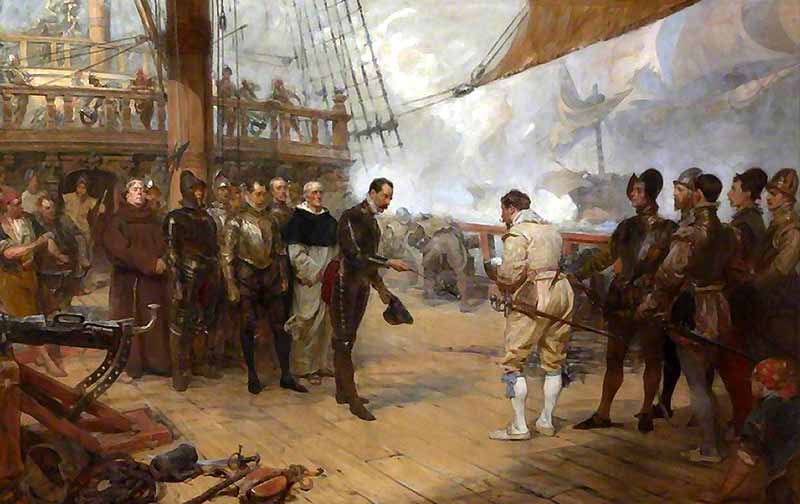
The Surrender of Pedro de Valdés to Francis Drake aboard Revenge during the attack of the Spanish Armada, 1588

Closing to within one hundred yards of their prey, the English cannon pounded the lumbering galleons. The cannon on the Spanish decks were too close together, with ammunition packed in too close between the artillery, hampering the effectiveness of the Spanish rate of fire. Drake’s ships provoked Spanish fire but stayed out of range of boarding and fired broadsides into the Armada vessels, causing horrific casualties on some, and sinking others. Both sides were close enough for musket fire from the rigging. After eight hours, the English began to run out of ammunition and withdrew. Five Spanish and Portuguese ships sank and others ran aground, a few on the shoreline where they were set upon by Dutch and English soldiers.


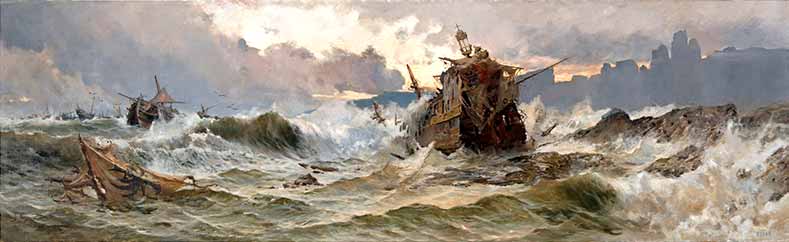
A ship of the Spanish Armada lies wrecked off the coast

The next day the remainder of the Armada sailed north around Scotland and Ireland, a number of ships sinking in storms or from the battle damage. Spanish sailors who survived were usually killed by the Scots or the Irish, depending on where they happened to come ashore—too many providential circumstances arrayed against the Armada that even the Pope couldn’t overcome them . . .

Go to Top